Driven by a Fascination for Communication: From Humans to the Microbiome
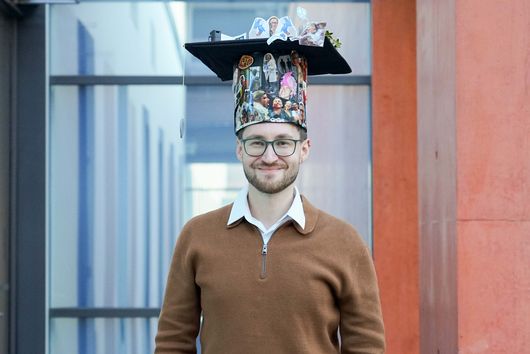
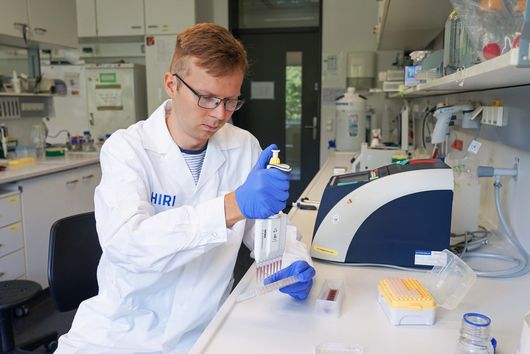
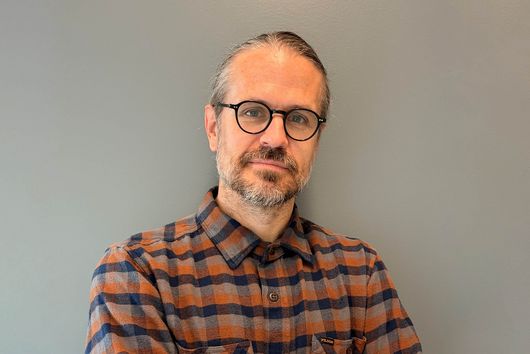
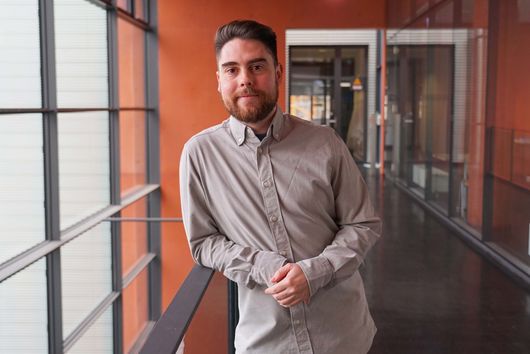
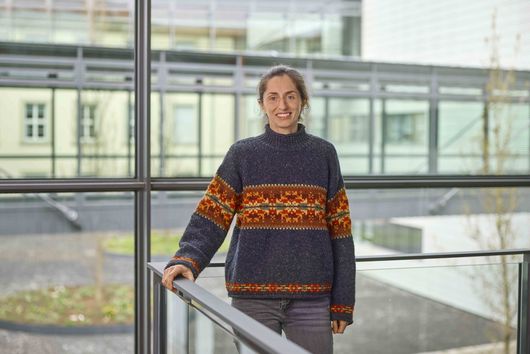
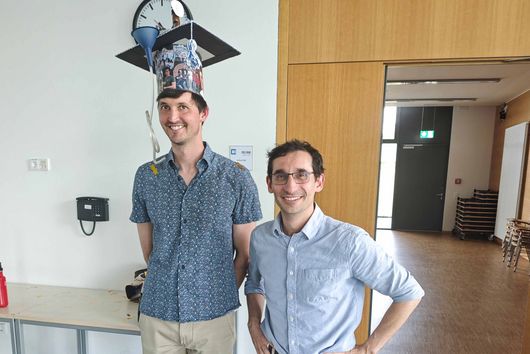
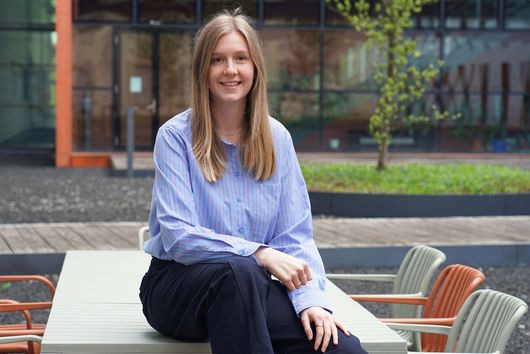
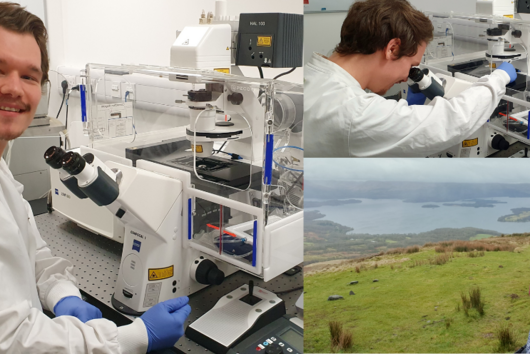
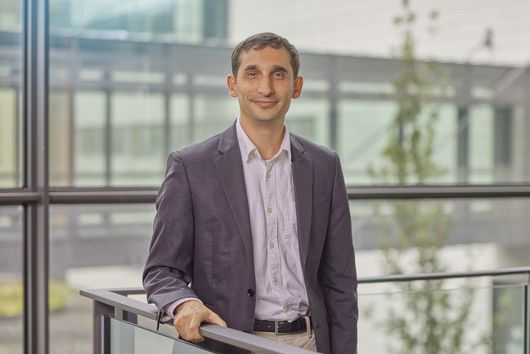
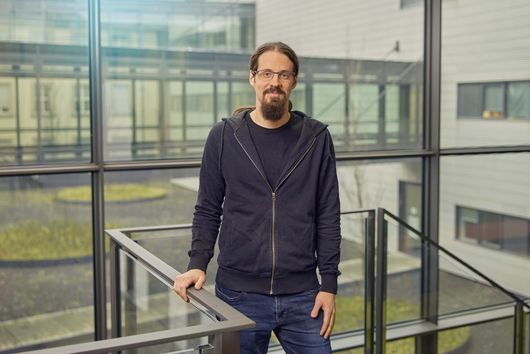
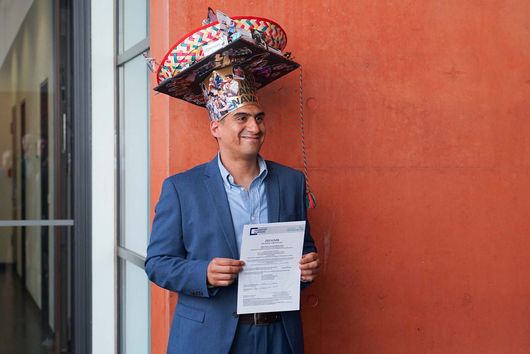
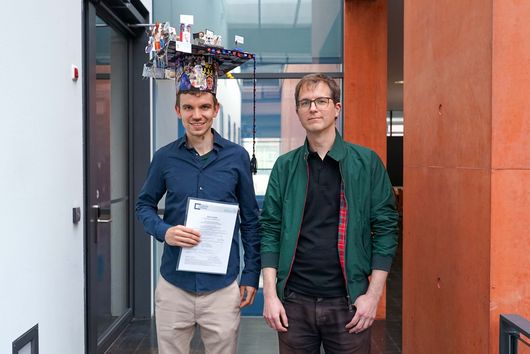
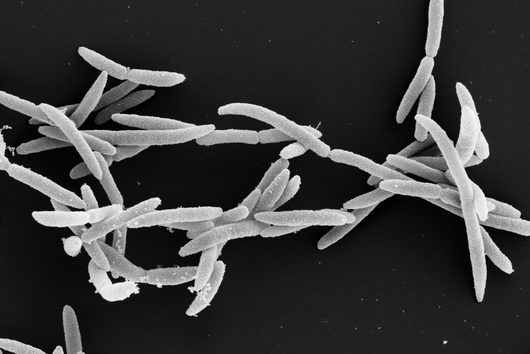
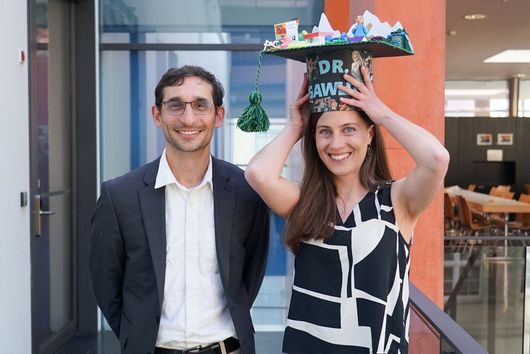
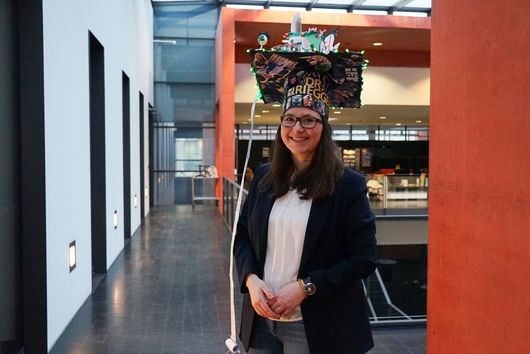
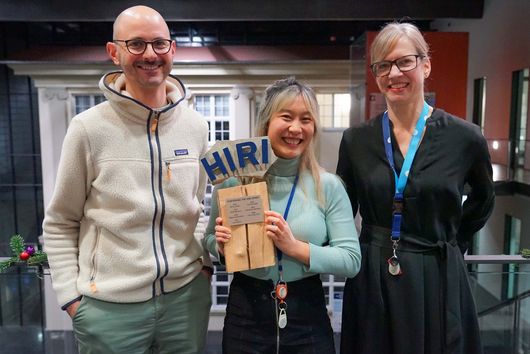
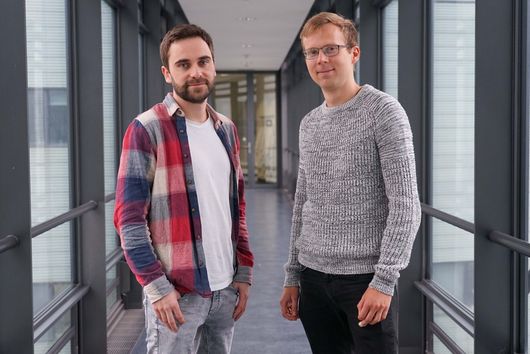
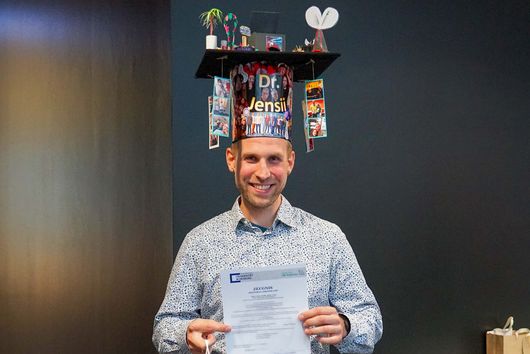
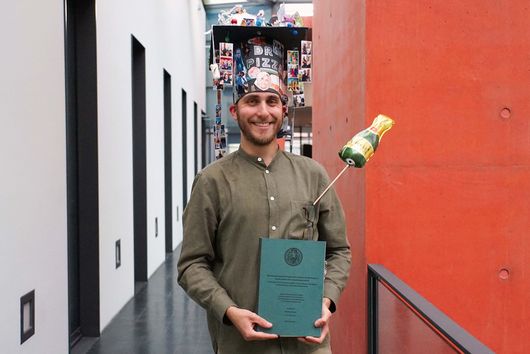
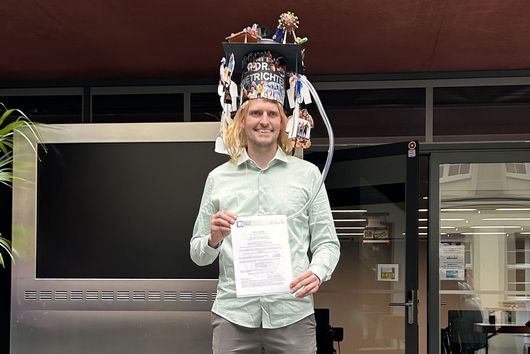
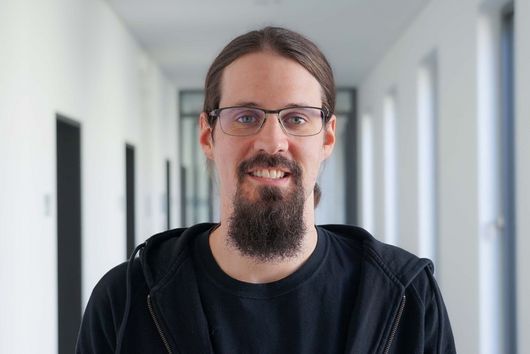
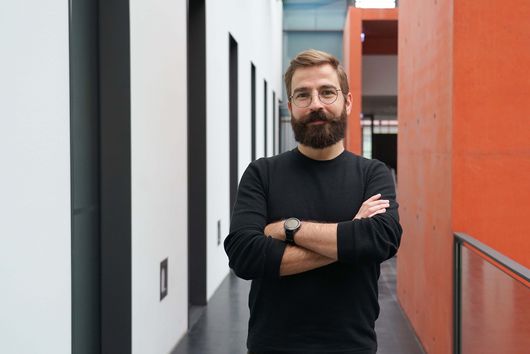
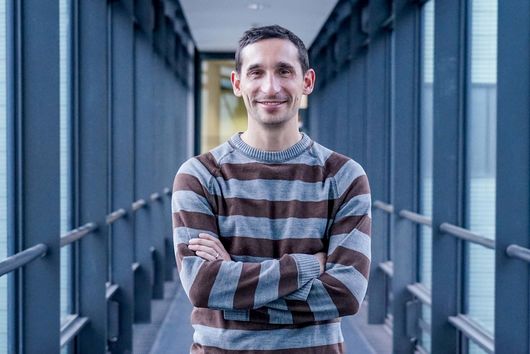
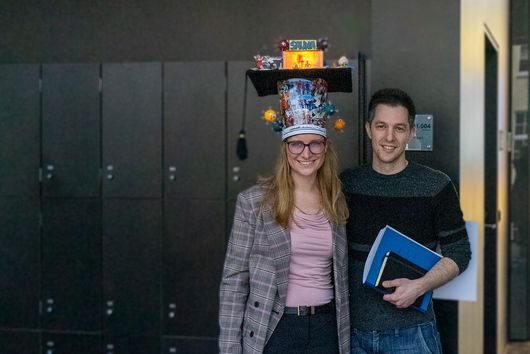
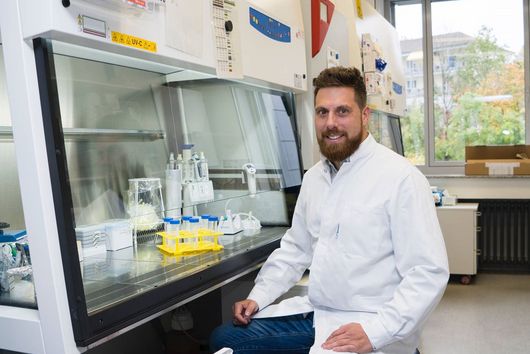
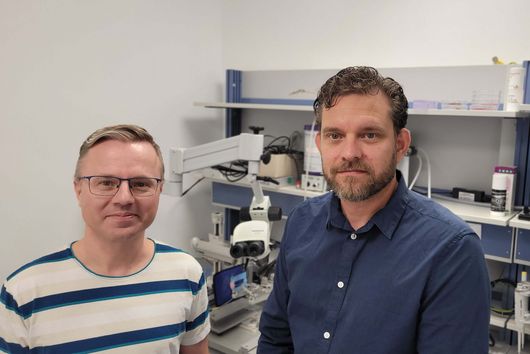
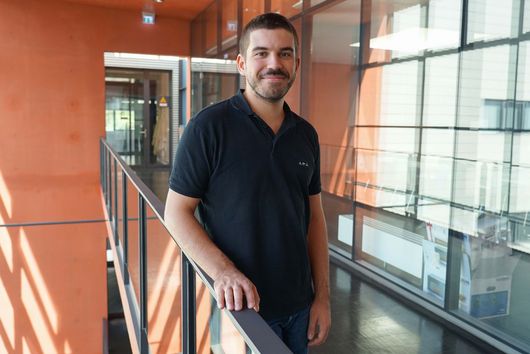
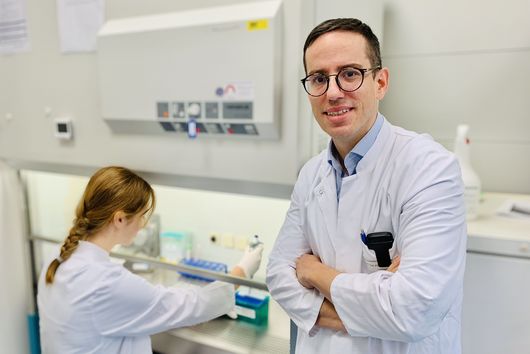
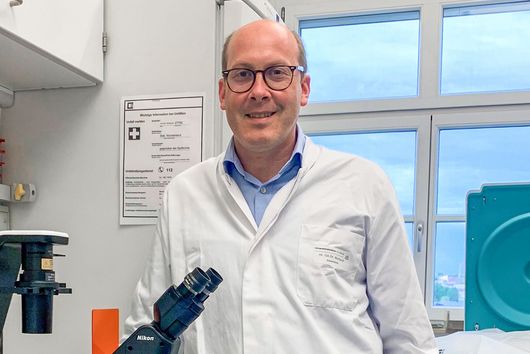
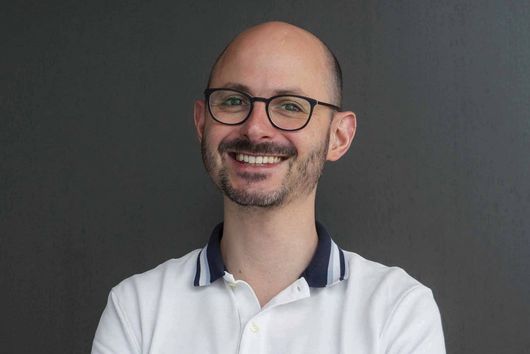
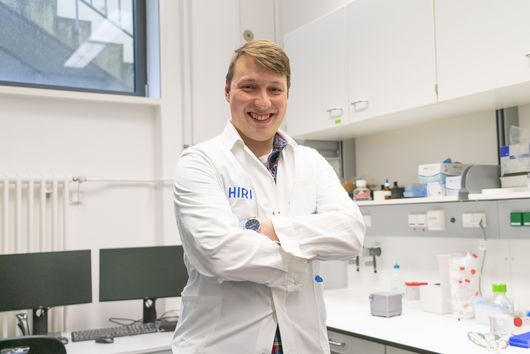
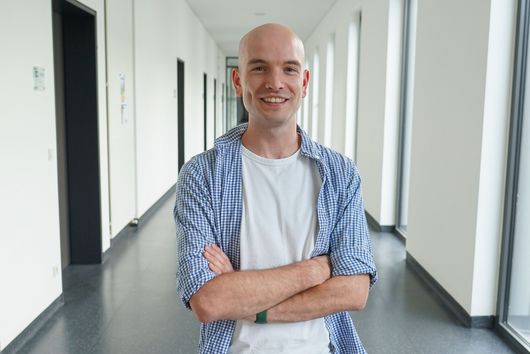
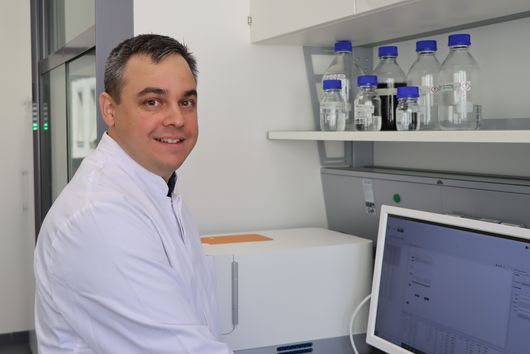
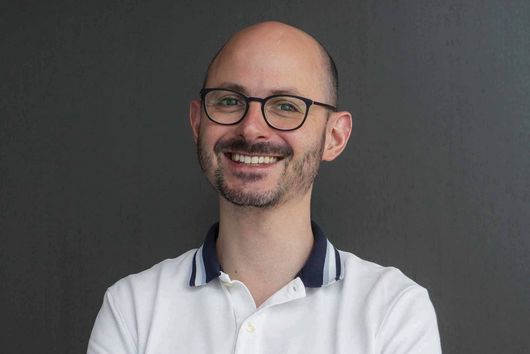
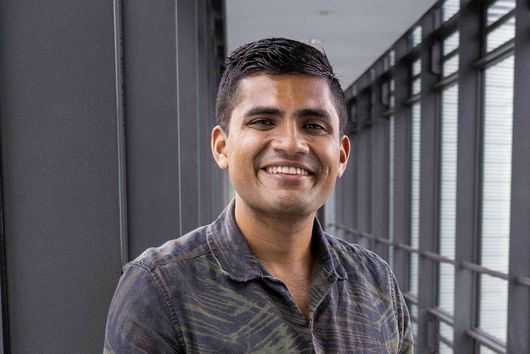
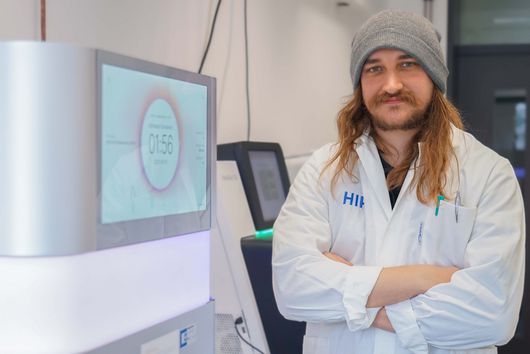
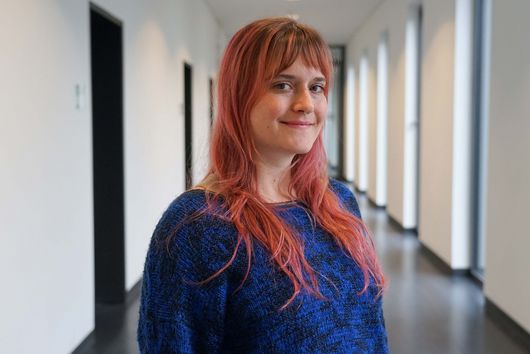
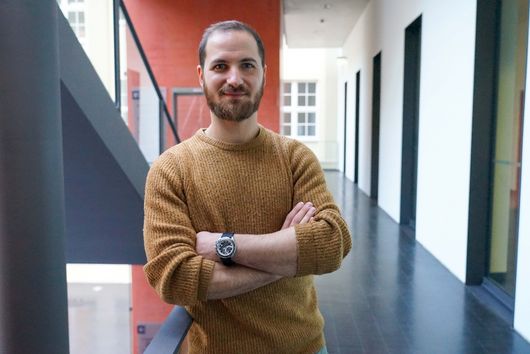
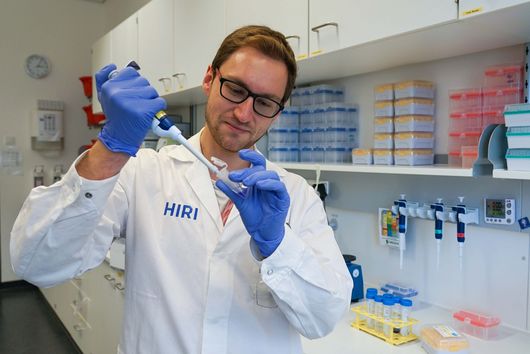
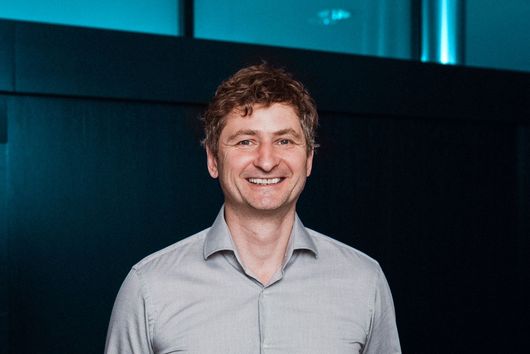
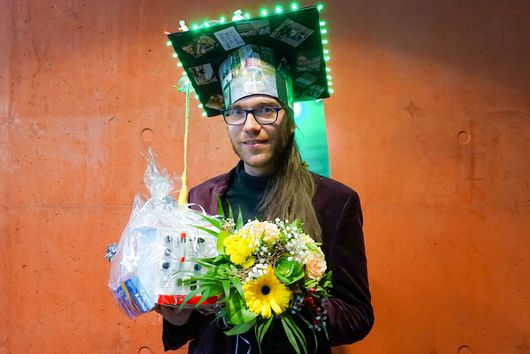
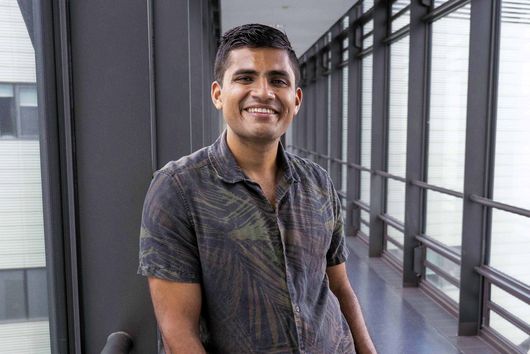
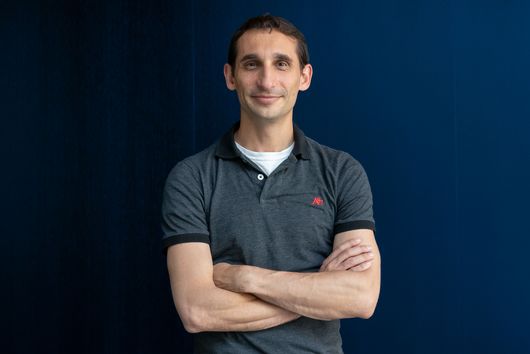
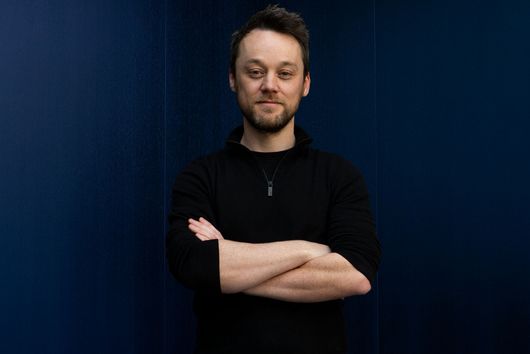
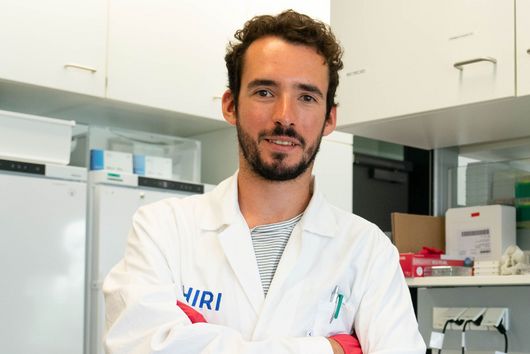
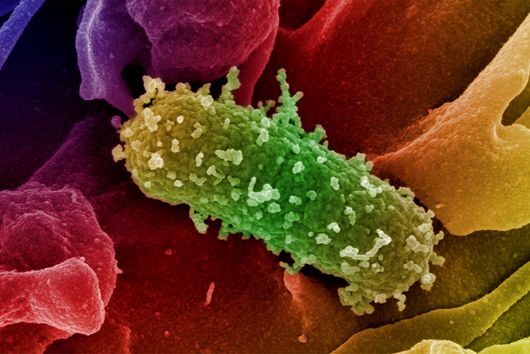
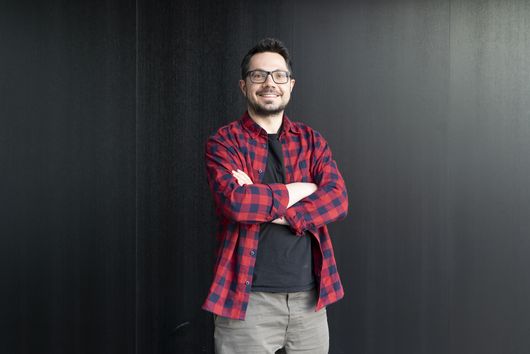
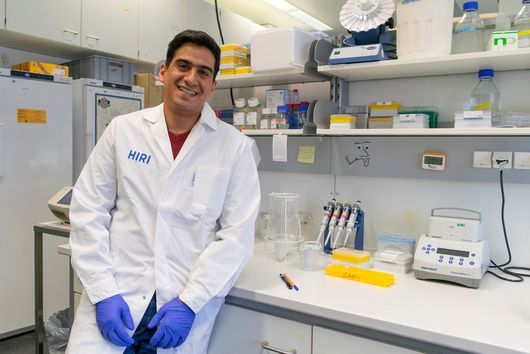
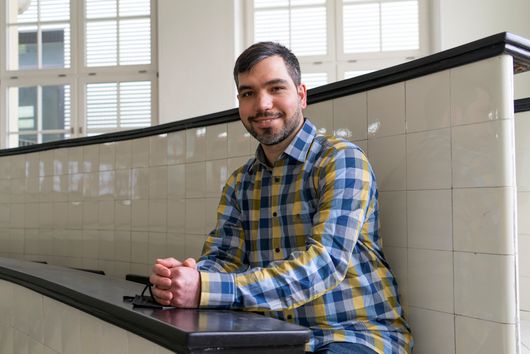
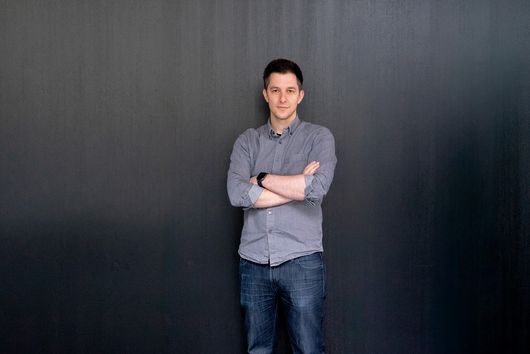
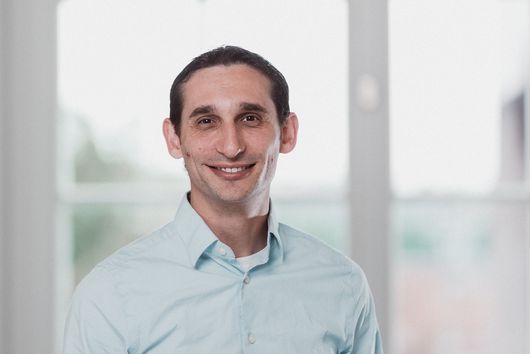
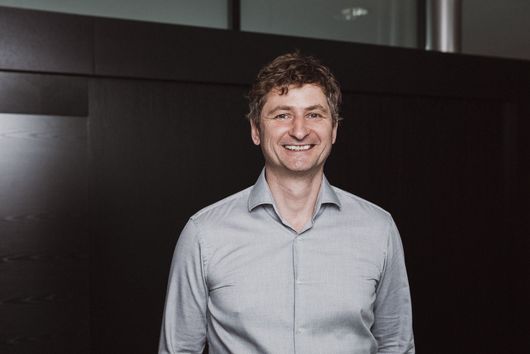
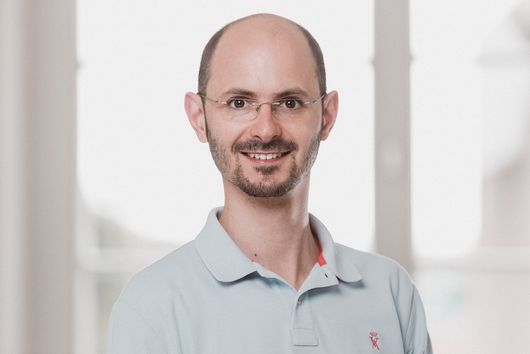
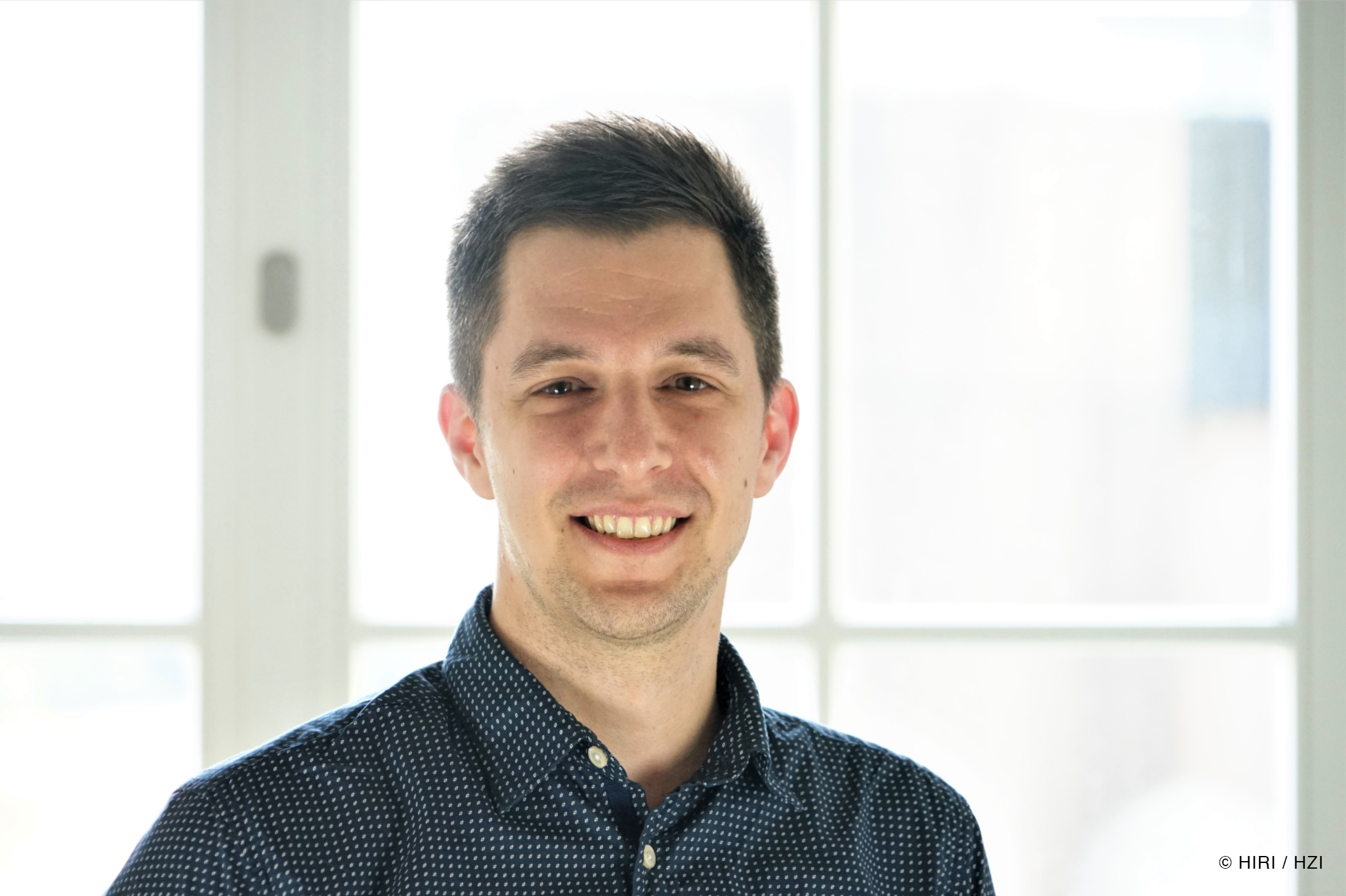
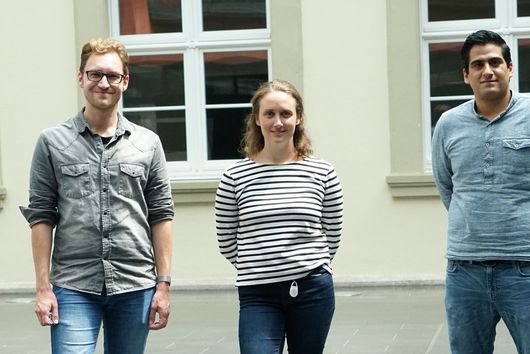
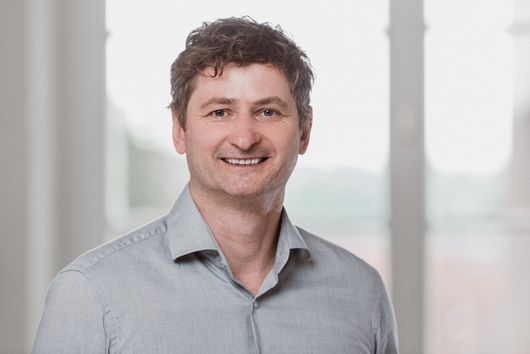
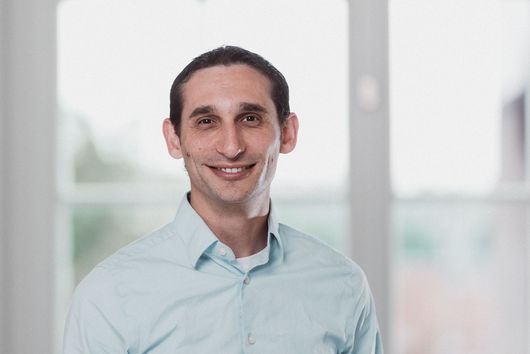
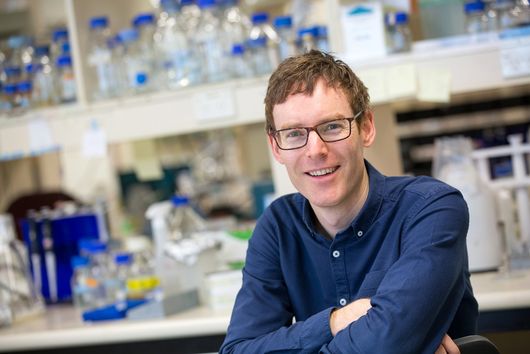
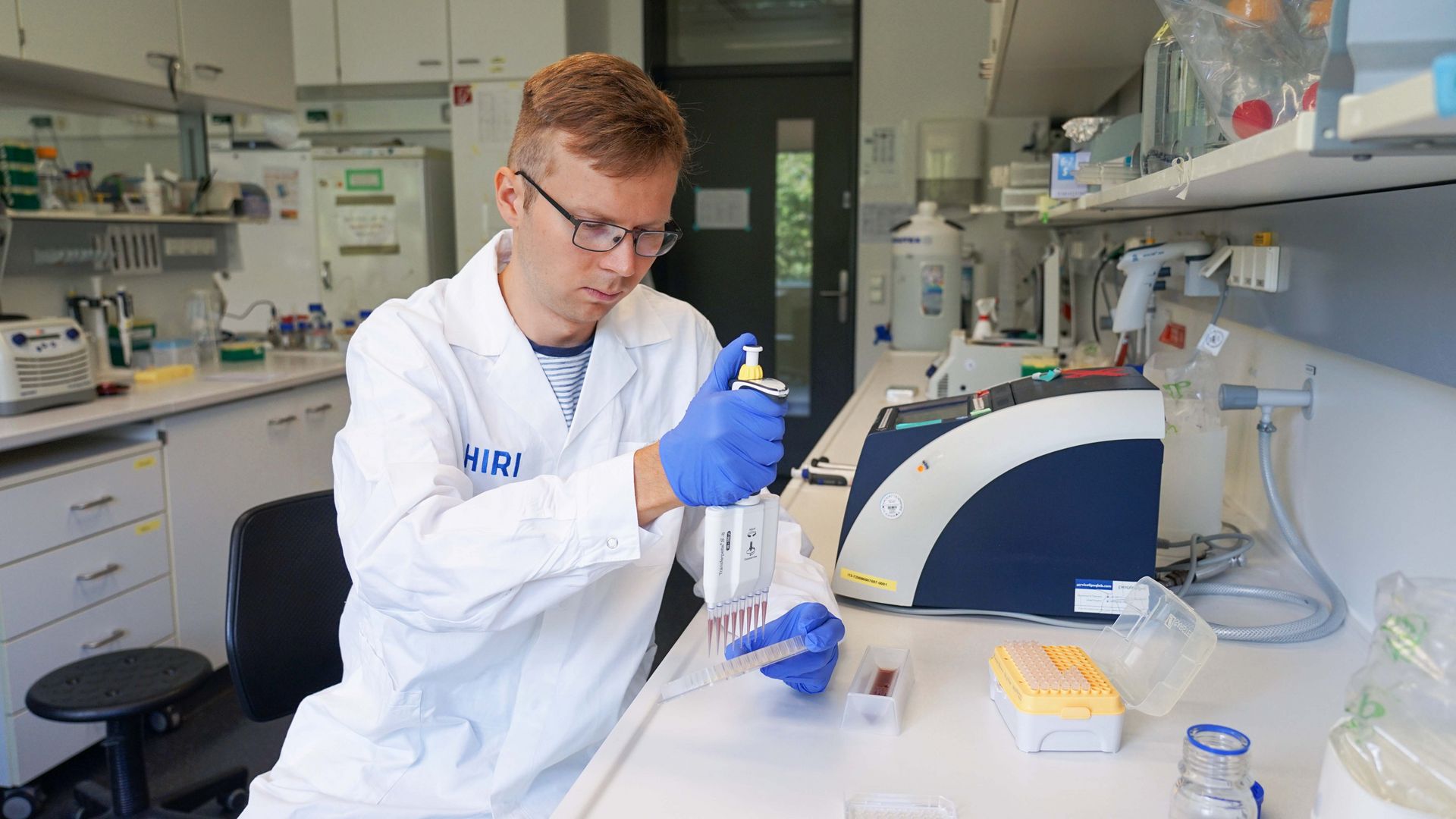
Jonathan Scheler has been part of the Helmholtz Institute Würzburg (HIRI) since December, 2024. As a doctoral researcher, he investigates how Clostridioides difficile—a pathogen that can cause severe intestinal infections—communicates with other gut microorganisms and which molecules mediate these interactions. Drawing on national and international research experience, he developed a strong passion for interdisciplinary research.
“I have always been fascinated by understanding things in depth and exploring questions that have not yet been answered,” he says. While in school, he developed a special interest in biology. Around that time, he had his first exposure to research through the Fraunhofer-Gesellschaft’s talent school, an initiative supporting young students interested in science. Driven by his curiosity, he eventually moved to Freiburg for his bachelor’s studies.
After his bachelor’s studies, Jonathan joined a pharmaceutical company to gain first-hand experience in industry. One particularly formative aspect of this experience was the opportunity to take on responsibility from an early stage. “Apart from my bachelor’s thesis, it was the first time I was able to make independent decisions within a project,” he recalls.

Research visits during his master’s studies further broadened his perspective on science. He became familiar with new research approaches and gained insights into different scientific and funding systems before ultimately moving to Würzburg to pursue his PhD.
How bacteria communicate
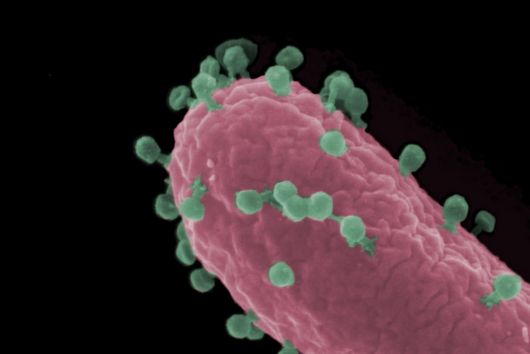
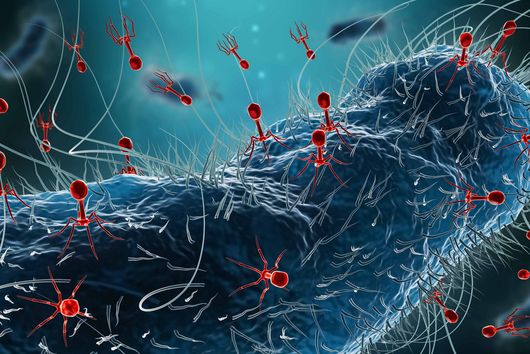
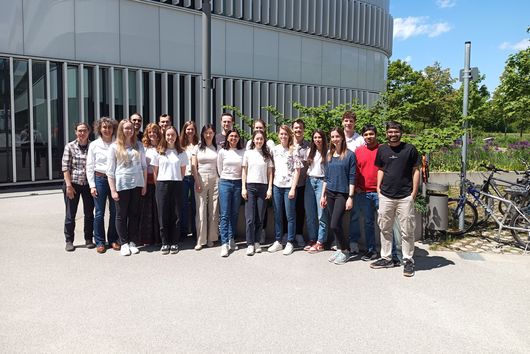
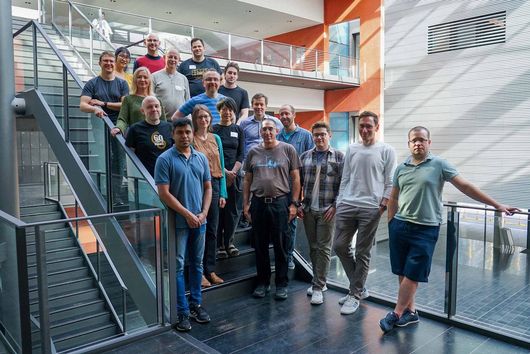
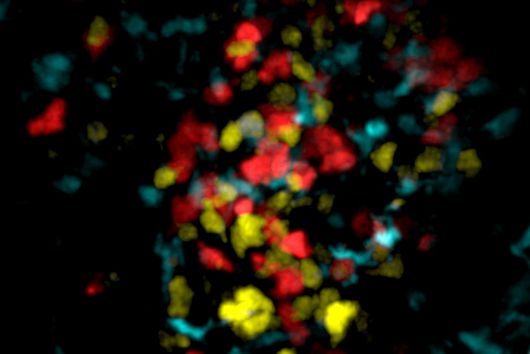
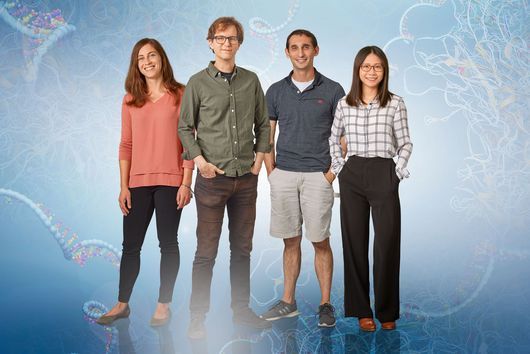
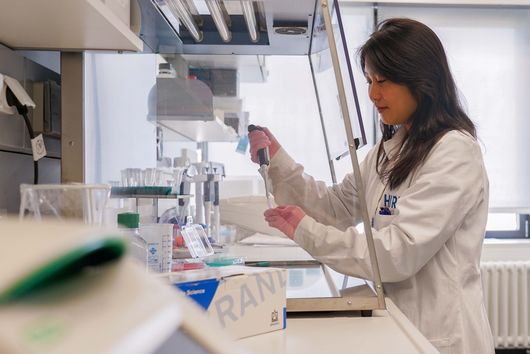
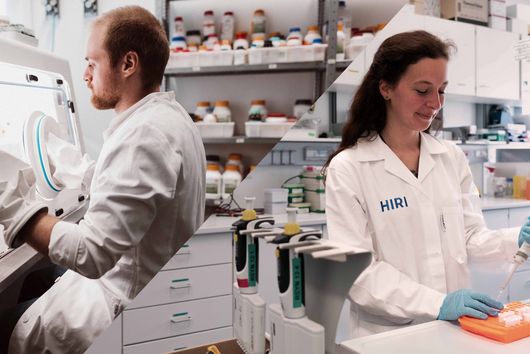
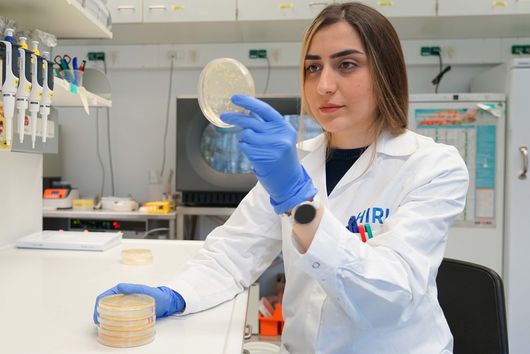
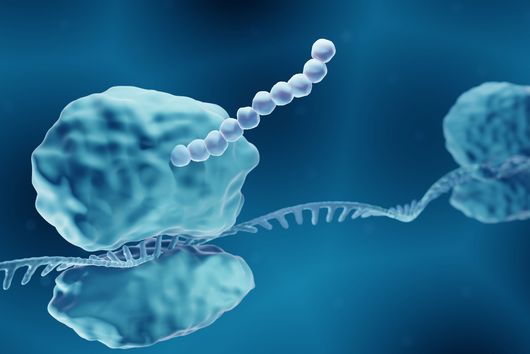
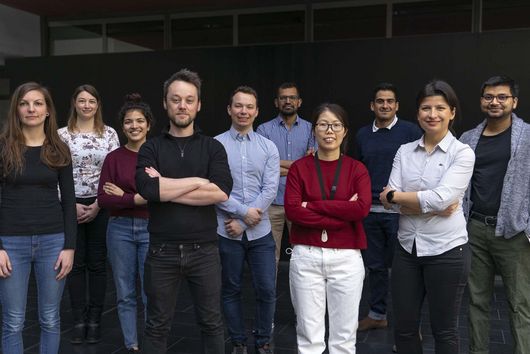
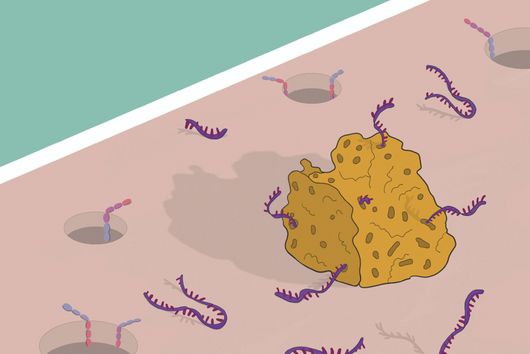
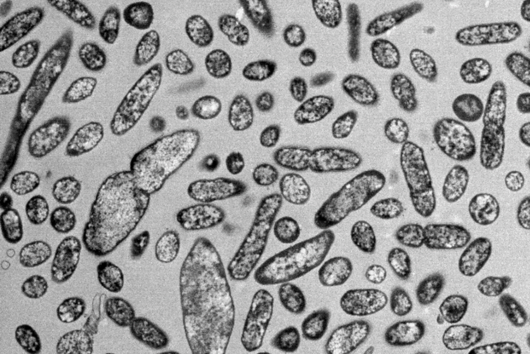
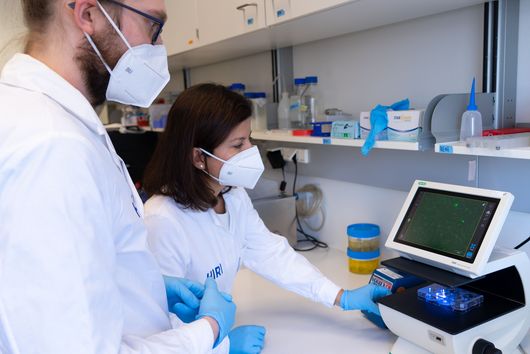
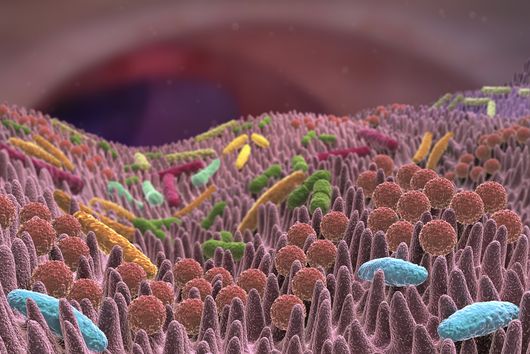
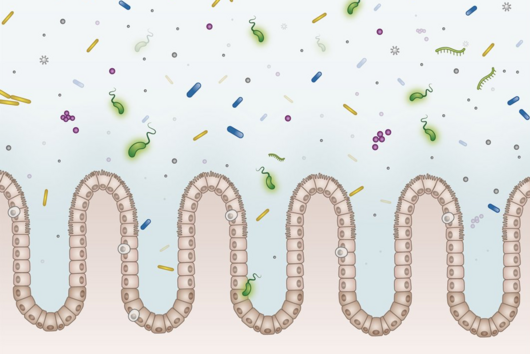
When talking to Jonathan about his research, one theme quickly emerges: communication—not only between people, but also at the molecular level. Today, Jonathan is a member of the research group “RNA Biology of gram-positive Bacteria”, led by HIRI-associated group leader Franziska Faber. His work focuses on communication between bacteria in the gut. The intestinal microbiome influences digestion, metabolism, and the immune system—and thus, human health. A better understanding of these processes may help prevent illness.




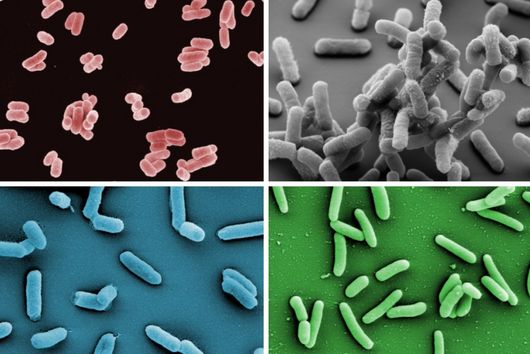
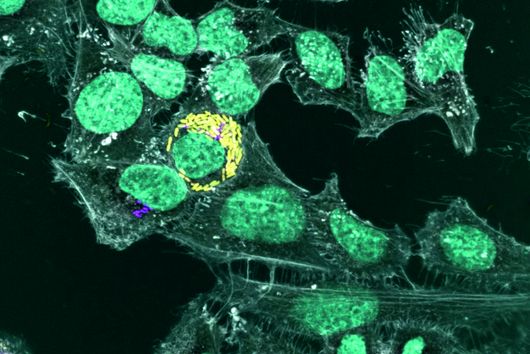
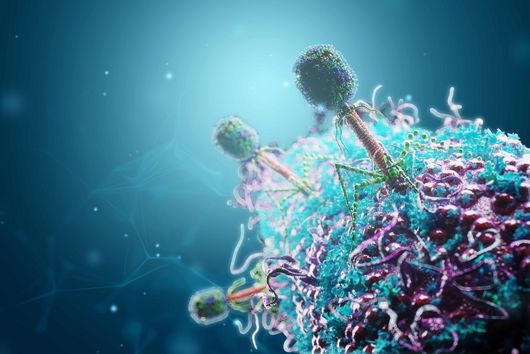
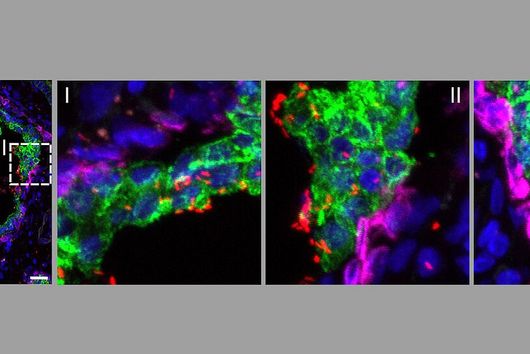
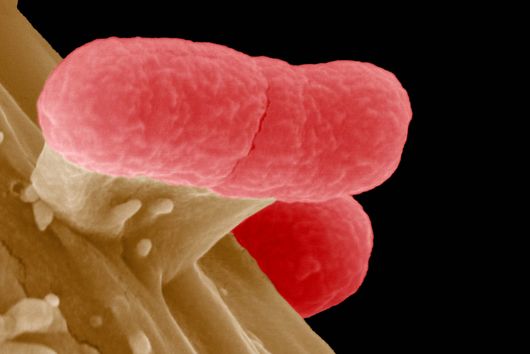
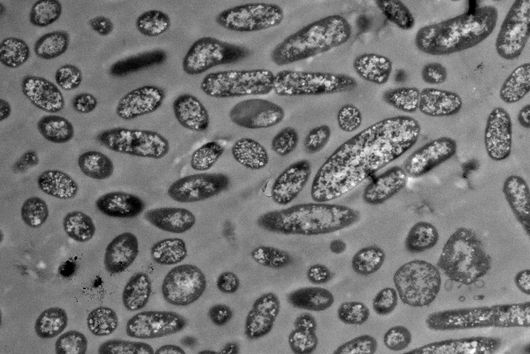
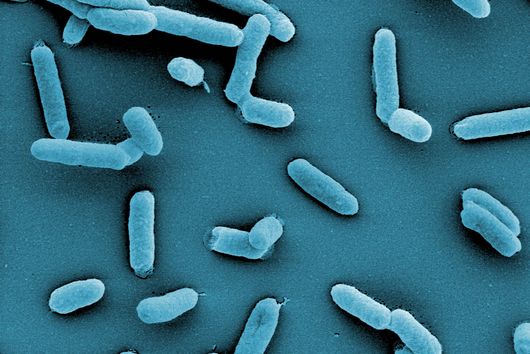
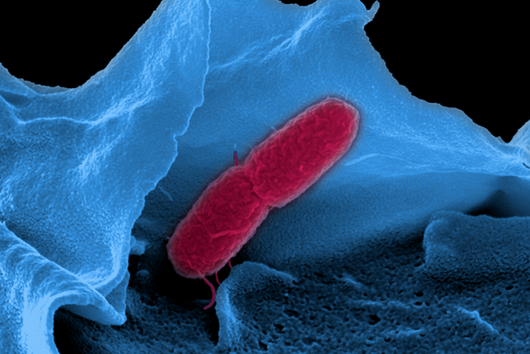
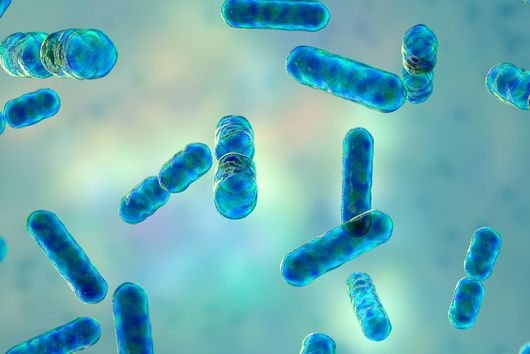
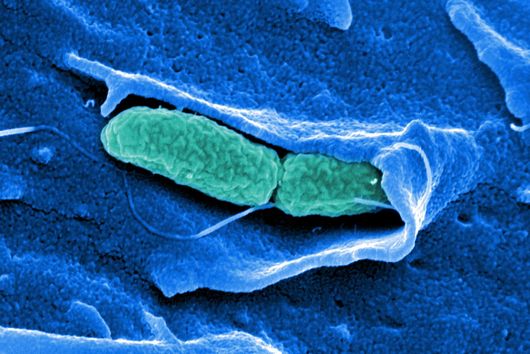
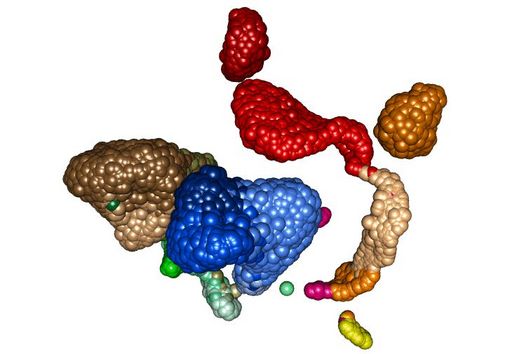
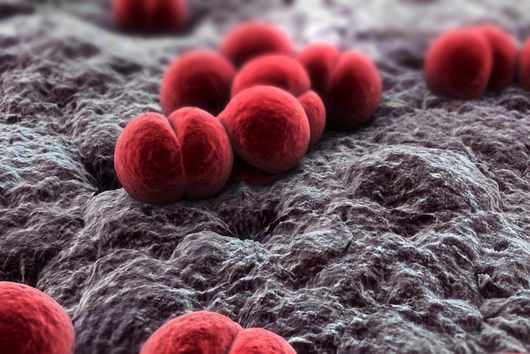
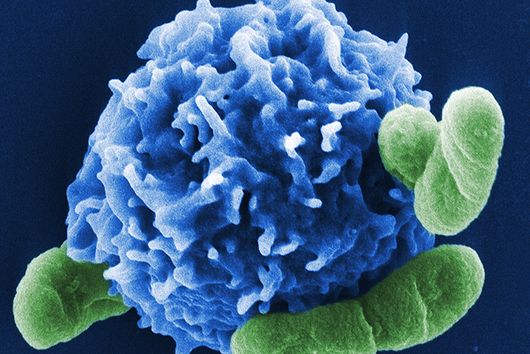
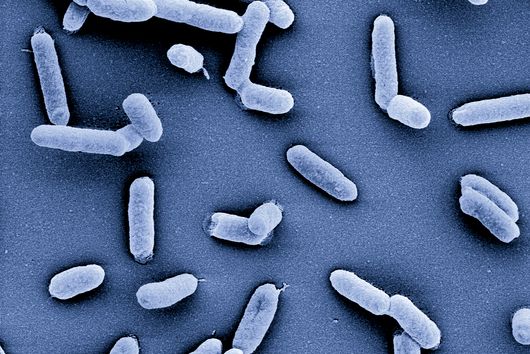
At the center of Jonathan’s research stands Clostridioides difficile. He is particularly interested in how this bacterium responds to its environment and interacts with other microorganisms in the gut. “I investigate which molecules it produces and how these influence interactions with other members of the microbiome,” he explains.
A supportive network
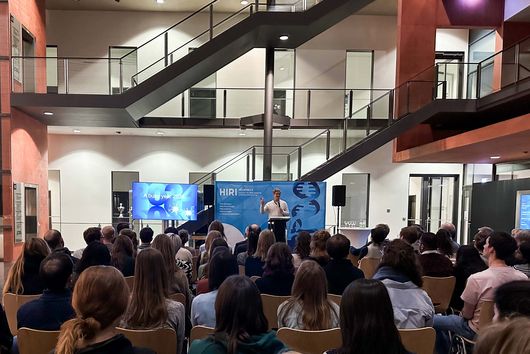
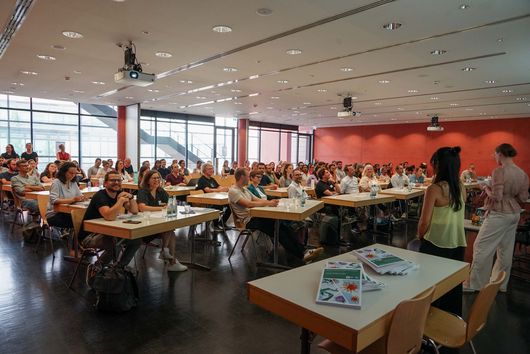
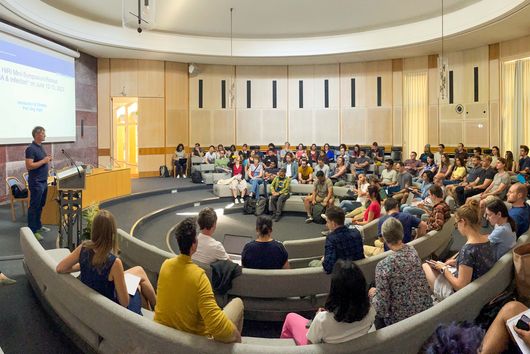
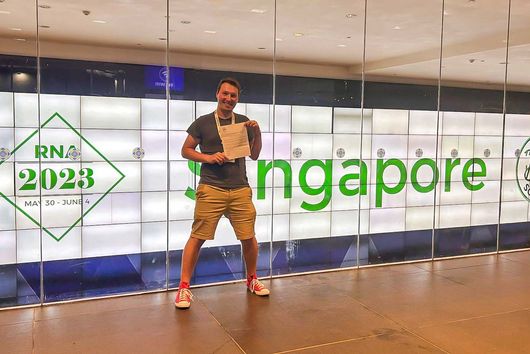
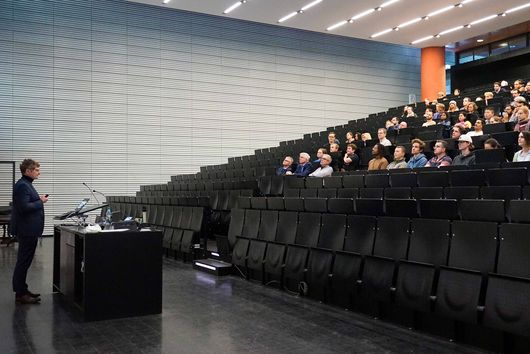
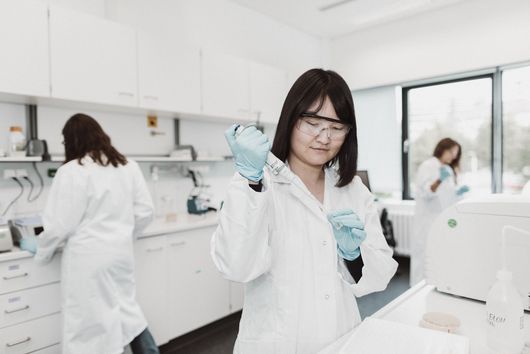
Jonathan first learned about HIRI in 2023 at a symposium in Würzburg. He was particularly impressed by the institute’s focus on RNA-based approaches and how these approaches are applied to infection research. Looking back, he recalls: “I was fascinated by the research infrastructure available for infection research in Würzburg.” Indeed, Würzburg offers outstanding infrastructure, cutting-edge technologies, and a strong scientific network for infection research.
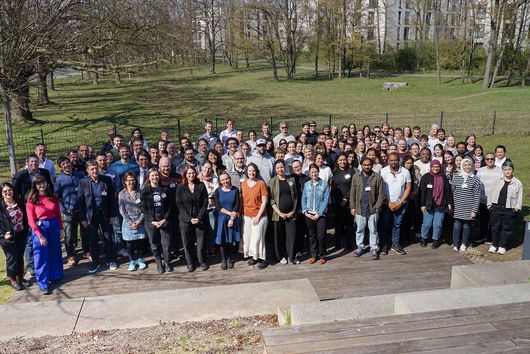
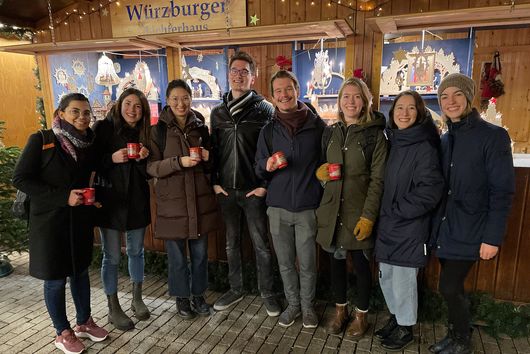
Beyond the scientific focus, what attracted him most to HIRI was its open and collaborative atmosphere. “I had the impression that networking is highly valued here,” he says. This impression was reinforced after he joined the institute. Regular seminars and intensive scientific dialogue between research groups create an environment in which new ideas and diverse perspectives are encouraged.

Jonathan sees his future primarily in academic research. After completing his PhD, he can see himself pursuing a postdoctoral position abroad. In the long term, he hopes to lead his own research group and eventually become a professor, inspiring future generations of scientists with his enthusiasm for infection research. Alongside his research, science communication is dear to his heart. Research findings, he believes, should “not remain confined to elite circles and scientific journals.”
Always looking for the next adventure
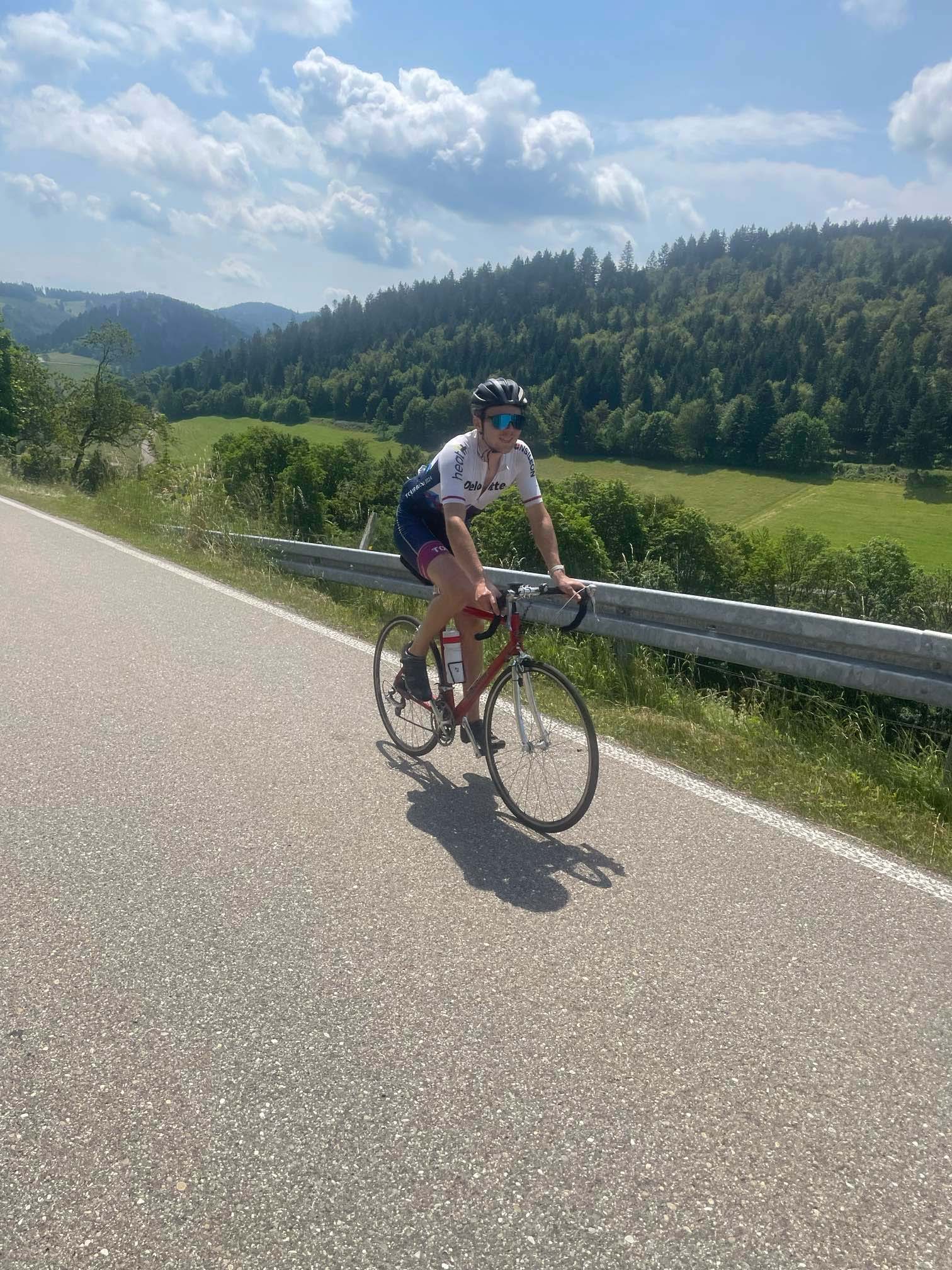
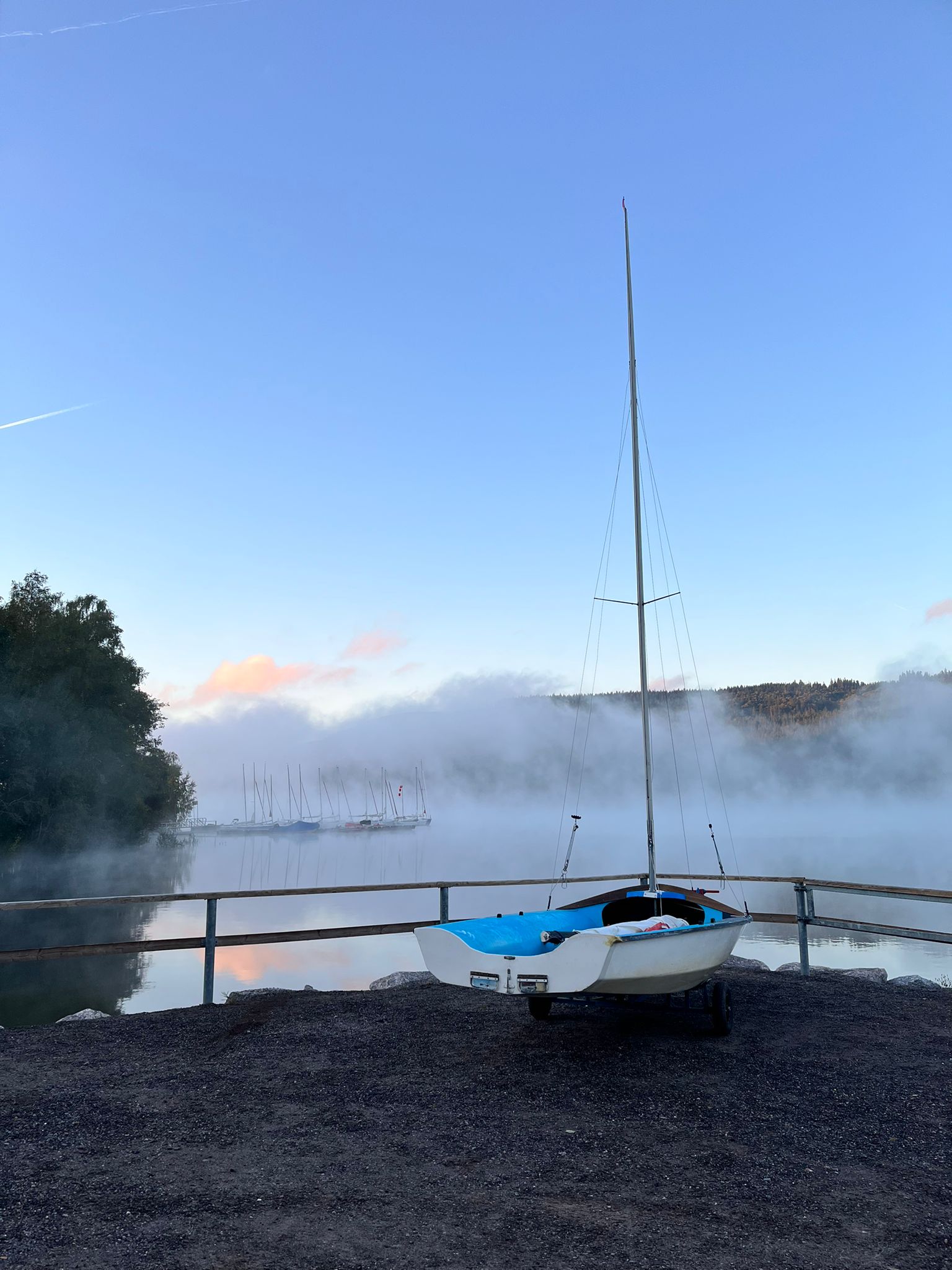
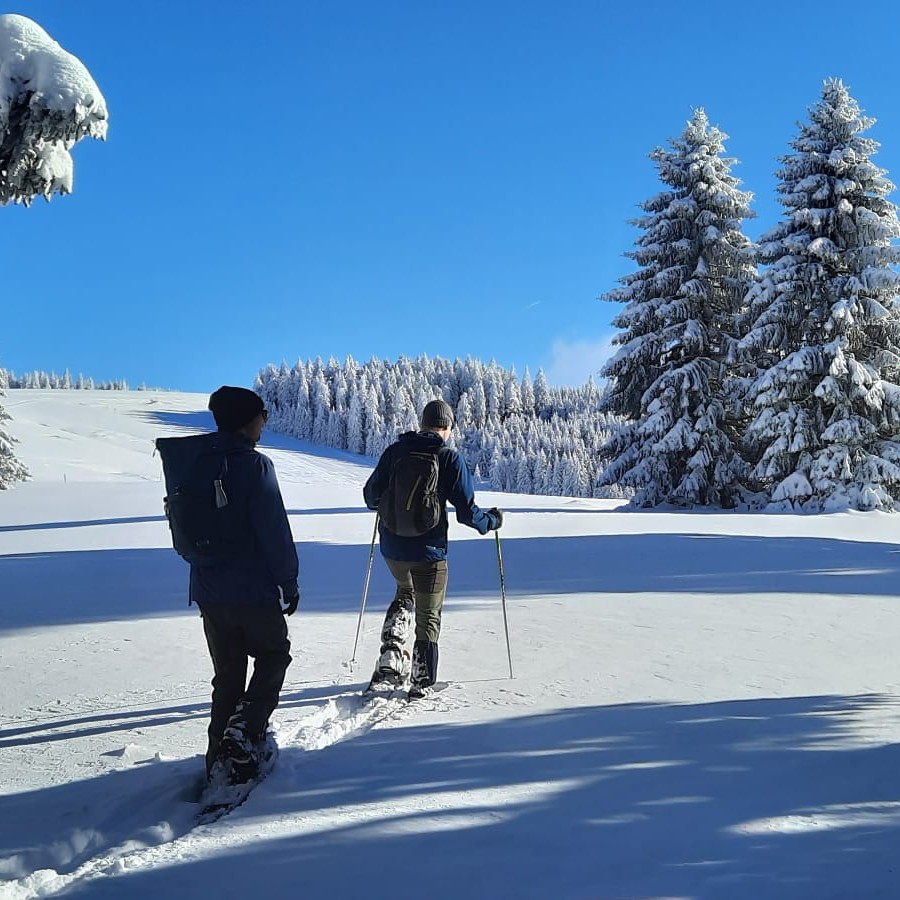
Curiosity shapes Jonathan’s life beyond the laboratory as well. When he is not conducting research, he enjoys spending time outdoors. Whether hiking, sailing, running, or road cycling, he is constantly seeking new challenges. For him, these activities are primarily about discovering new places, and testing his own limits.
True to this spirit, he has a special recommendation for anyone new to Würzburg: taking a swim in the Main River is, in his view, an essential part of settling into the city. “Everyone who lives in Würzburg should go swimming in the Main at least once,” he says.