RNA-based medicine: Leopoldina recommends a national strategy for research on new therapies for cancer and rare diseases
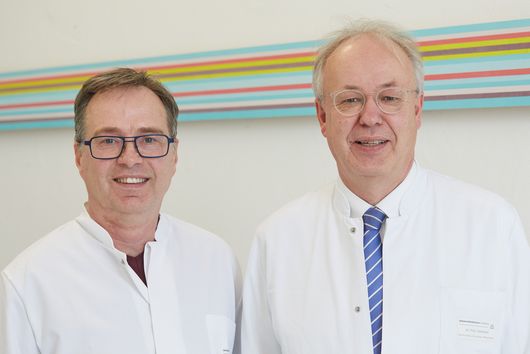
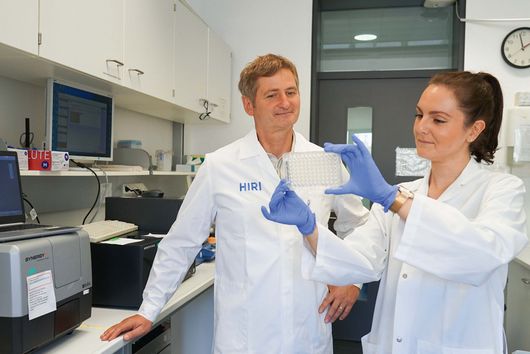
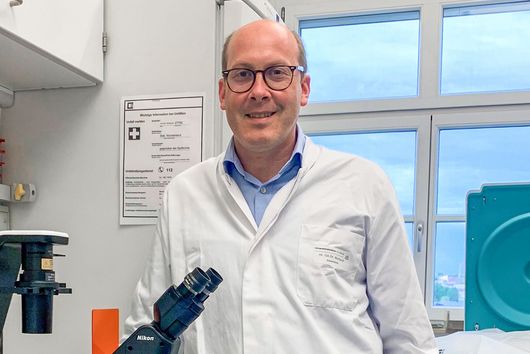
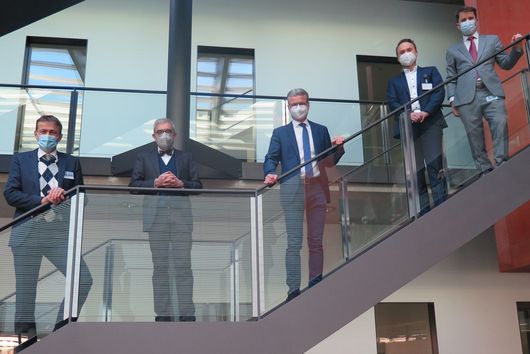
HIRI director Jörg Vogel serves as spokesperson for the working group that prepared the document
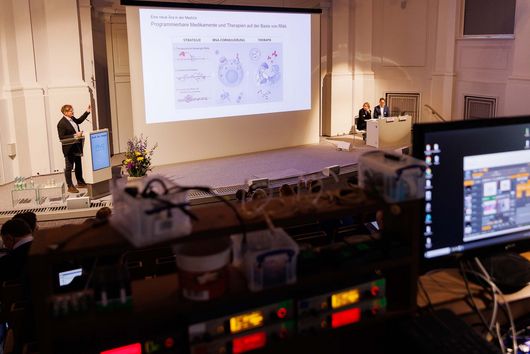
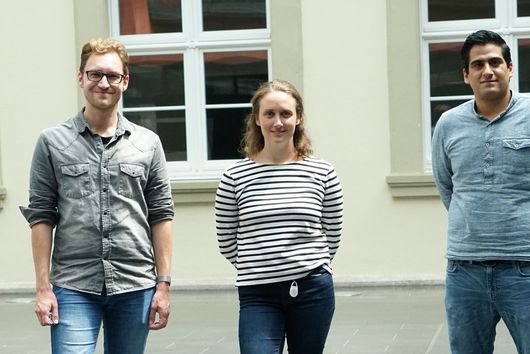
Halle/Würzburg, November 4, 2026—mRNA-based COVID-19 vaccines have brought RNA-based medicine to the attention of the wider public. Yet its potential applications are far more varied: cardiovascular and metabolic diseases, cancer, neurological and neuromuscular diseases, infectious diseases and rare genetic disorders are all on the research agenda of RNA-based medicine. Around a dozen RNA-based therapeutics are currently already approved in the EU, with more in development. The opportunities offered by RNA research are analyzed by the German National Academy of Sciences Leopoldina in its statement “RNA-based Medicine: Approaches, Potential and Challenges”, published today. The paper by the Leopoldina working group “RNA-based Therapies” describes the current state of research and application, discusses related ethical issues and recommends that Germany adopt a national research strategy in this area. The group's spokesperson is Jörg Vogel, director of the Helmholtz Institute in Würzburg (HIRI).
RNA, or ribonucleic acid, performs a variety of tasks in cells. There are RNA molecules that transmit genetic information from the genome, RNA molecules that contribute to the formation of proteins, and others that regulate how hereditary information is translated into proteins, to name just three examples. RNA molecules can influence numerous processes and biochemical reactions within a cell. This makes them of interest to medical research.
“RNA is a versatile tool: RNA molecules are chemically structured according to known rules, meaning that the same technology can be applied to many different diseases—from rare genetic defects to widespread common diseases,” says Jörg Vogel, director of the Helmholtz Institute for RNA-based Infection Research (HIRI) in Würzburg and spokesperson for the Leopoldina working group “RNA-based Therapies”. “Germany has strong basic research and a high level of expertise in biomedicine and nucleic acid chemistry. If this potential is to reach patients, we must strategically interlink education and training, research, translation, regulation and production more closely,” Vogel continues.

RNA-based medicine is associated with particular hopes for people with rare diseases. These are defined as conditions affecting no more than five in 1,000 people and, in more than 70 per cent of cases, they have genetic causes. Around four million people in Germany are affected. RNA technology is intended to help develop therapies for small patient groups in a more targeted and flexible way than is possible with conventional methods. At the same time, there are also concerns, for example regarding the costs of such therapies and potential side effects. The statement therefore also discusses ethical aspects such as fair participation in new therapeutic opportunities, affordability within the healthcare system, and the public acceptance and safety of RNA-based medicine.
“Medical advances also raise questions of justice—such as who will have access to these new therapies and how they can be financed on the basis of solidarity,” says medical ethicist Claudia Wiesemann, a member of the Leopoldina working group. “People with rare diseases must not be disadvantaged simply because their treatment initially appears expensive. Close exchange between researchers and patient organisations is important. In addition, excessive hopes of a cure must be addressed in an objective manner, and current developments and approaches in research must be explained transparently and comprehensibly,” Wiesemann adds.
To harness the potential of RNA-based medicine and strengthen research in this field in Germany, the statement recommends a national strategy. This envisages targeted support for translational research, i.e. the translation of scientific findings into applicable therapies. Successful research also requires innovation-friendly regulatory frameworks, without lowering safety standards. A national strategy to promote RNA-based medicine must enable the expansion of production capacities, the safeguarding of supply chains, and sustainable investment in education and training as well as in the next generation of skilled professionals.
To the statement “RNA-Based Medicine: Approaches, Potential, and Challenges”
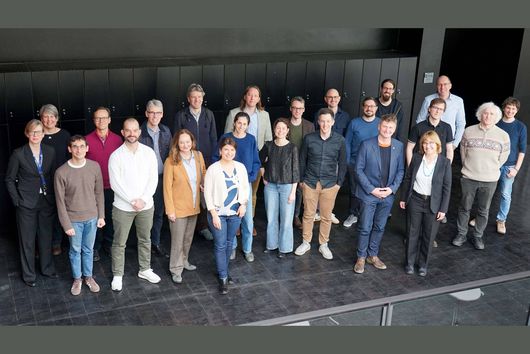
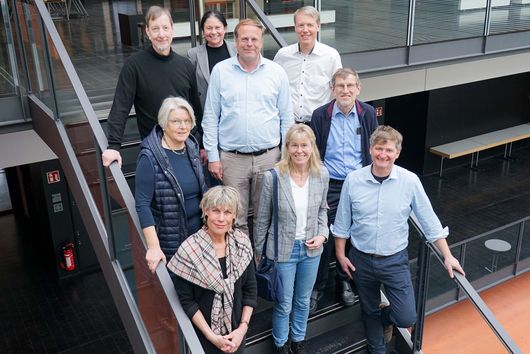
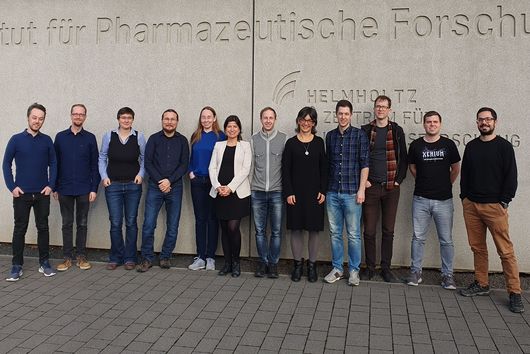
The statement was developed by the interdisciplinary working group “RNA-based Therapies.” Scientists from the fields of microbiology, biochemistry, pharmacy, immunology, medicine, and medical ethics participated in the process.
Further information on the working group
Text: Leopoldina (adapted by HIRI)
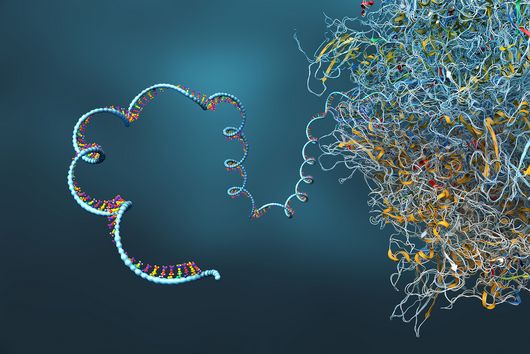
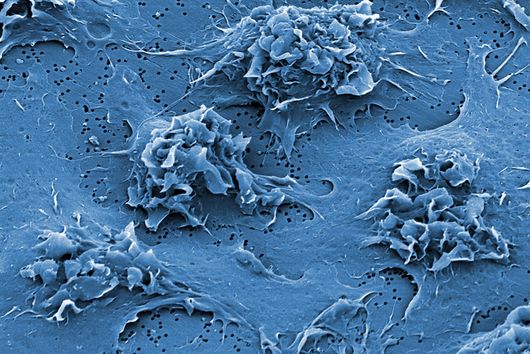
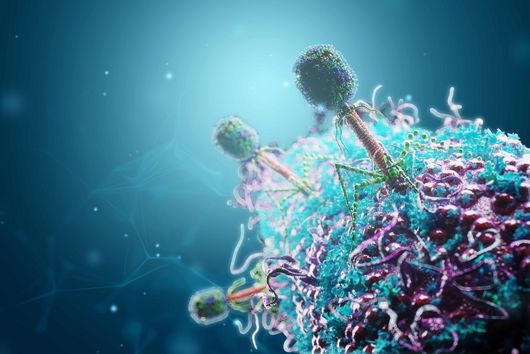
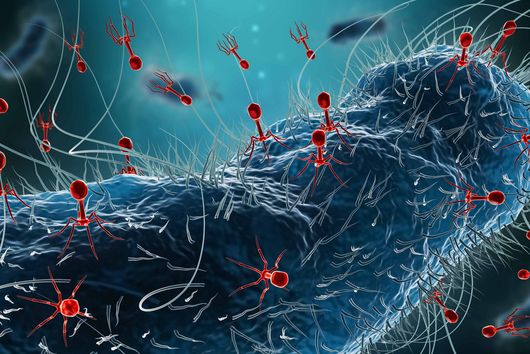
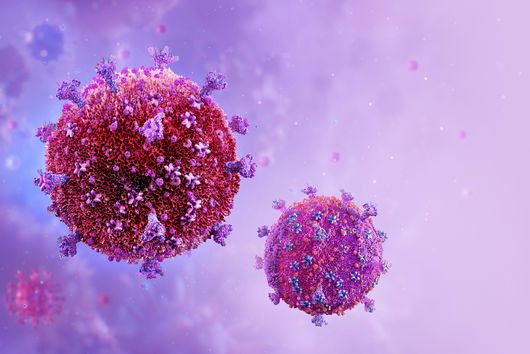
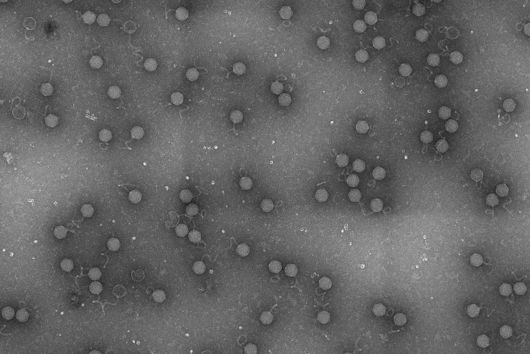
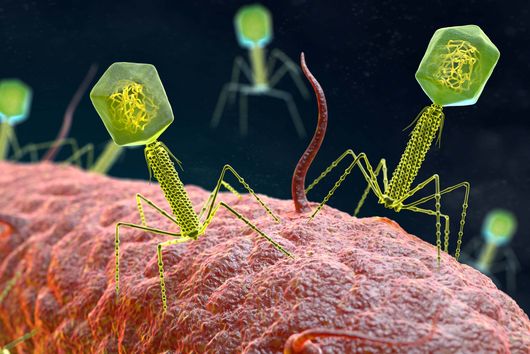
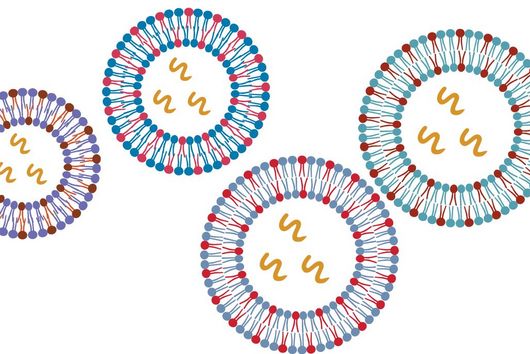
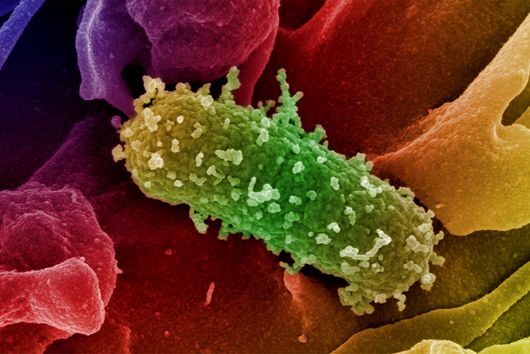
Symbolic image: Adobe Stock / Christoph Burgstedt