Stressed bacteria and miniature intestines
HZI awards International Collaboration Seed Funds to three HIRI researchers
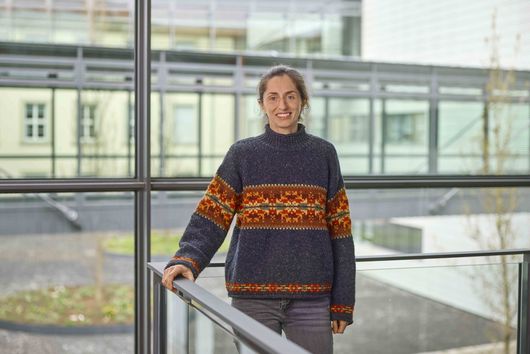
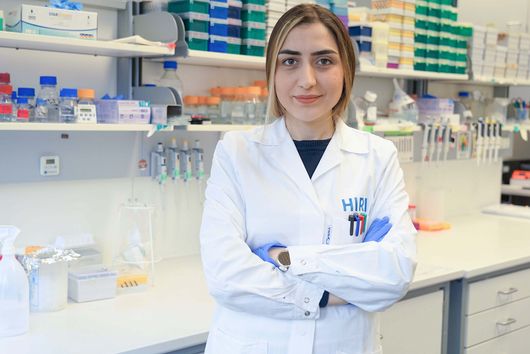
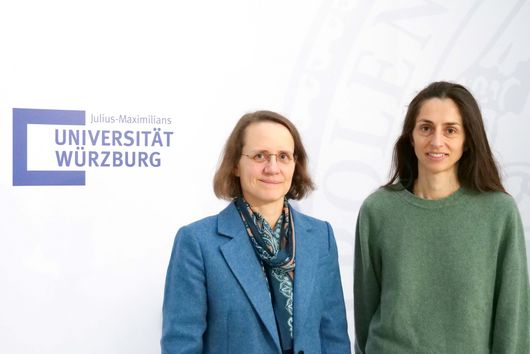
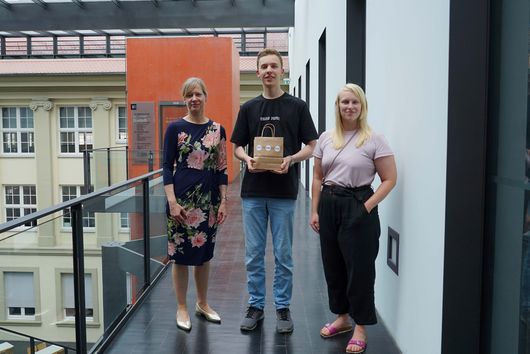
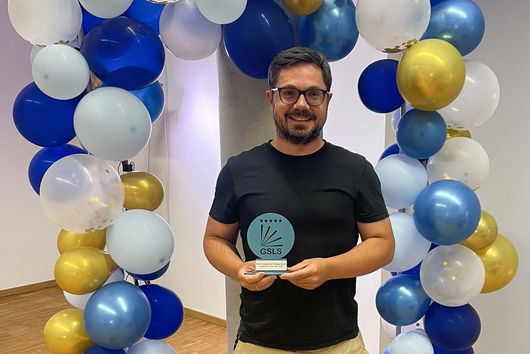
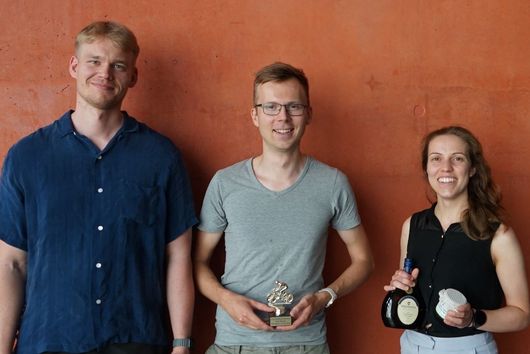
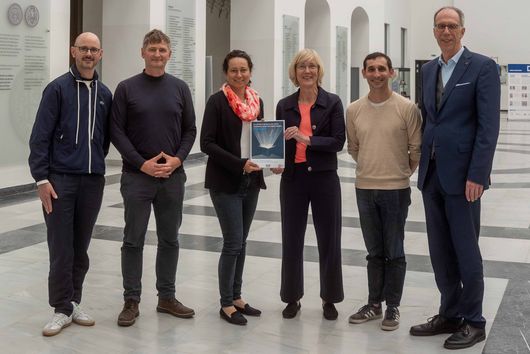
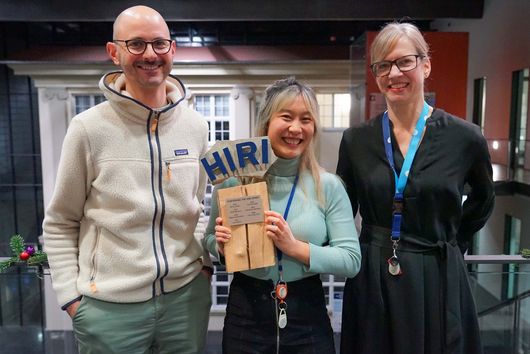
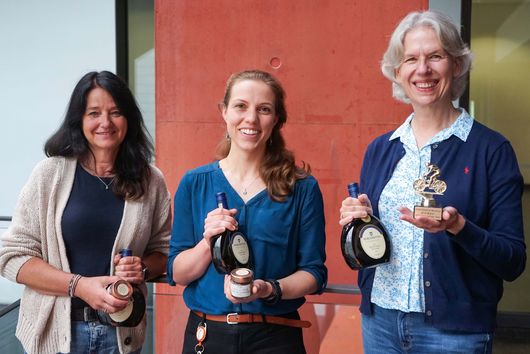
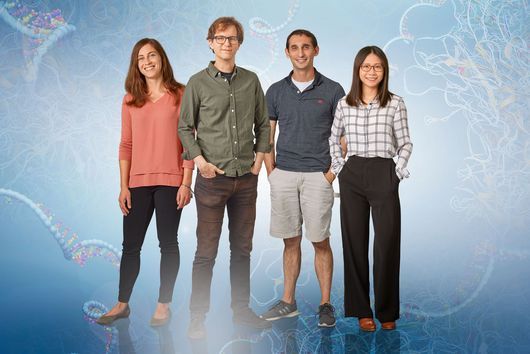
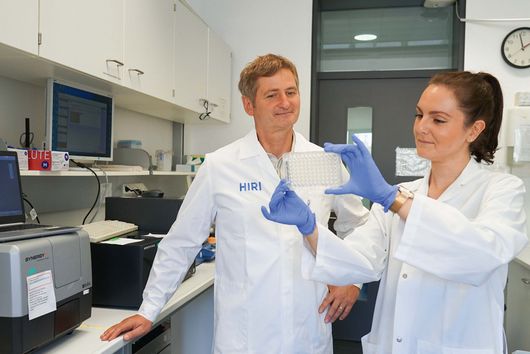
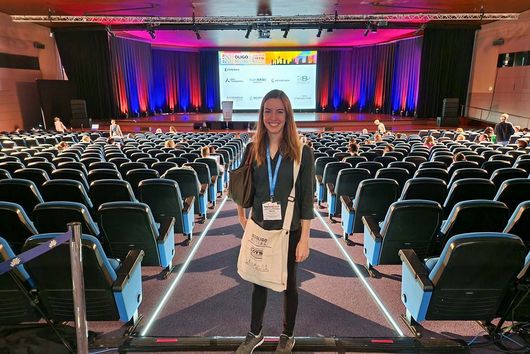
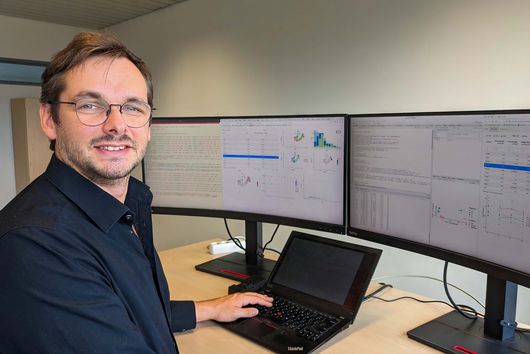
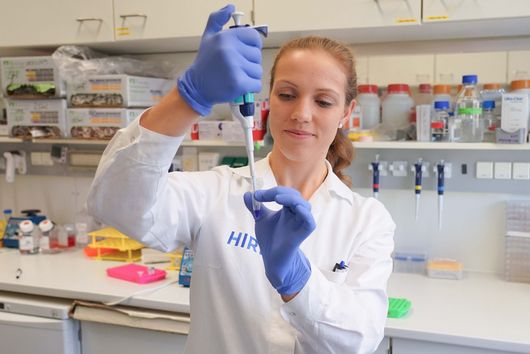
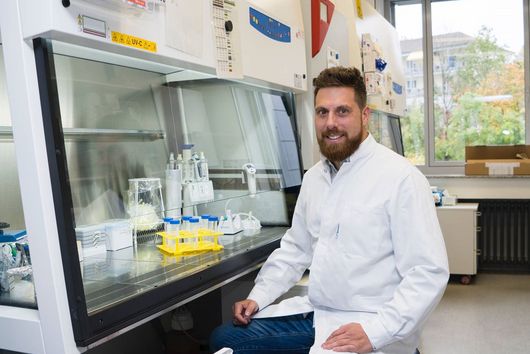
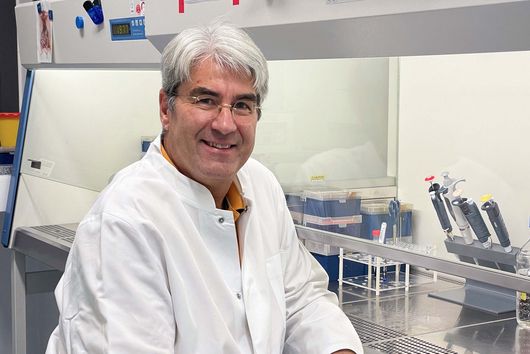
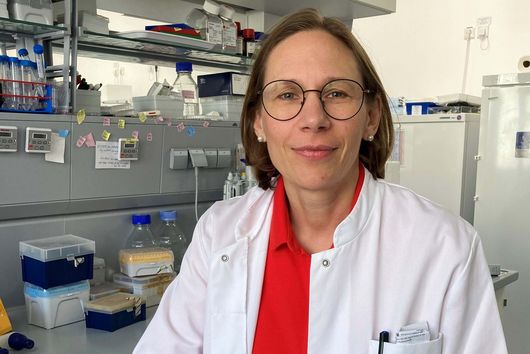
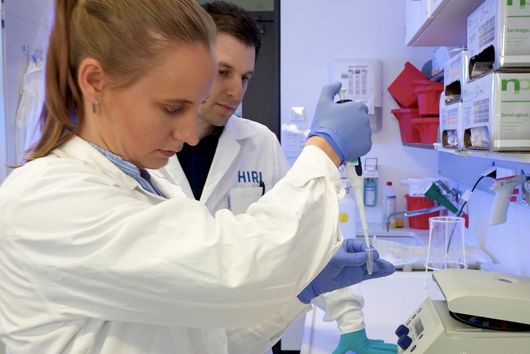
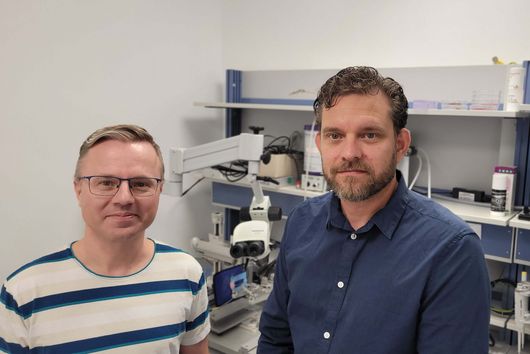
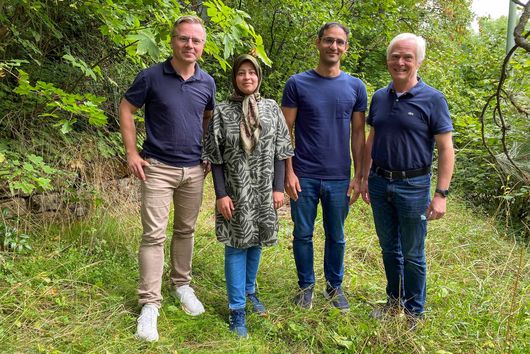
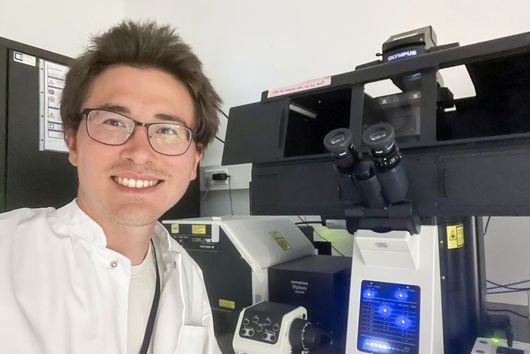
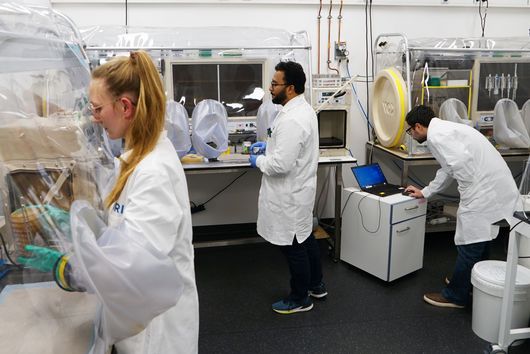
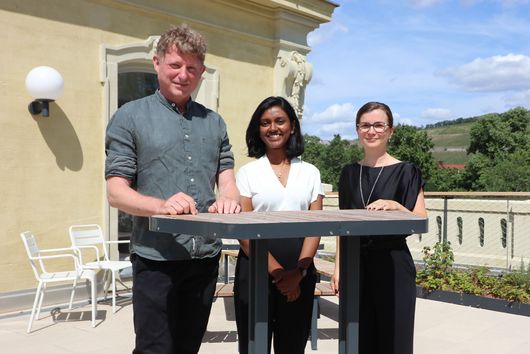
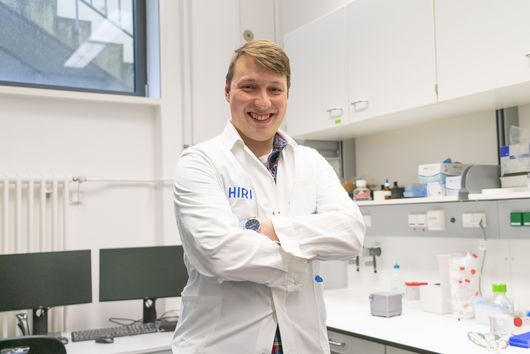
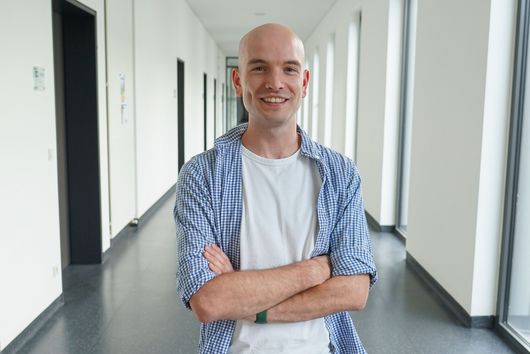
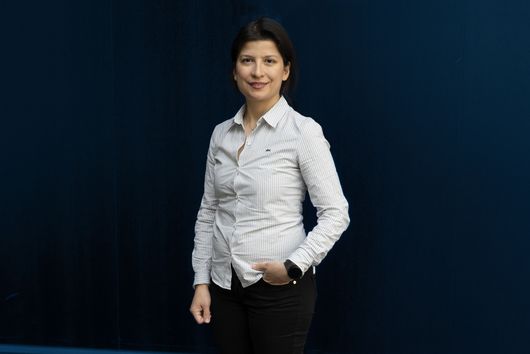
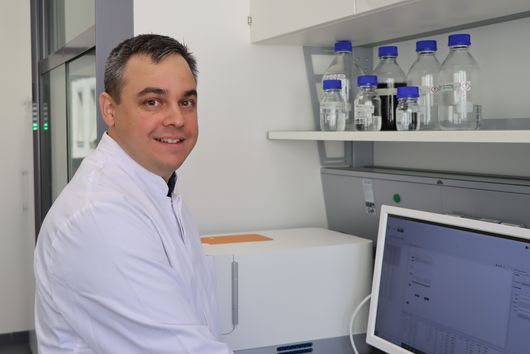
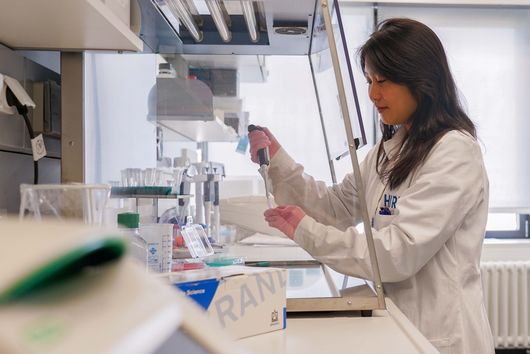
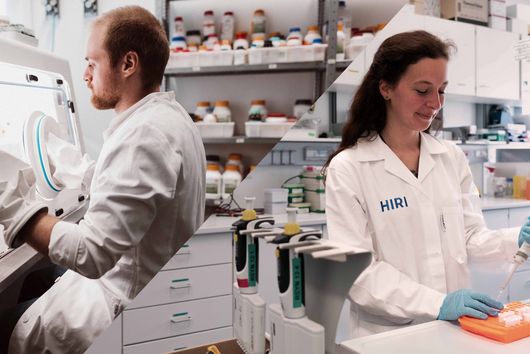
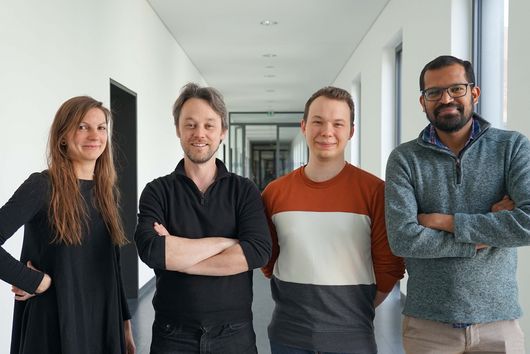
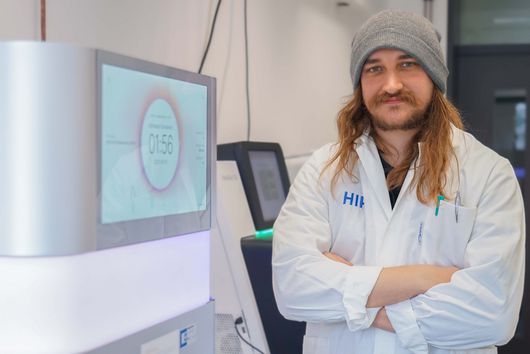
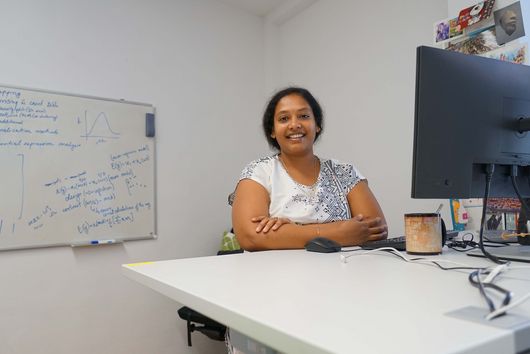
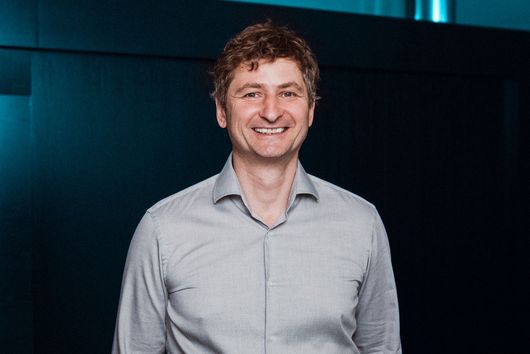
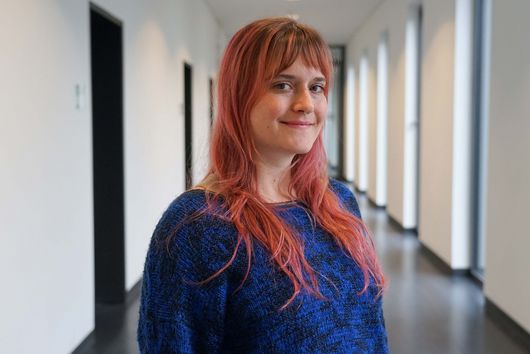
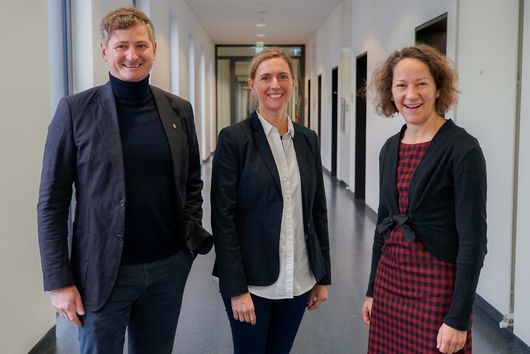
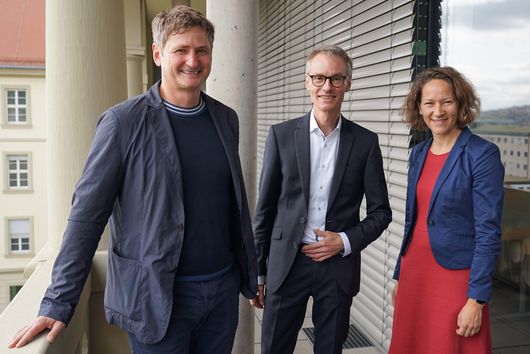
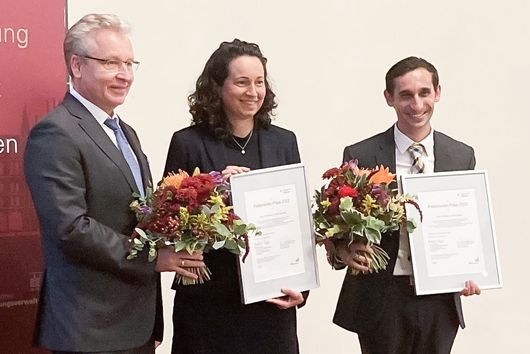
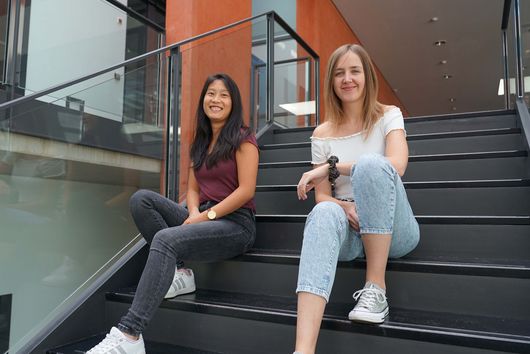
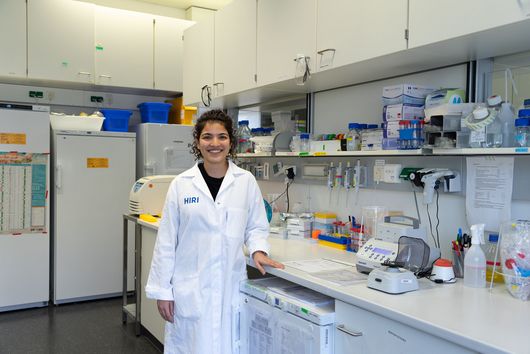
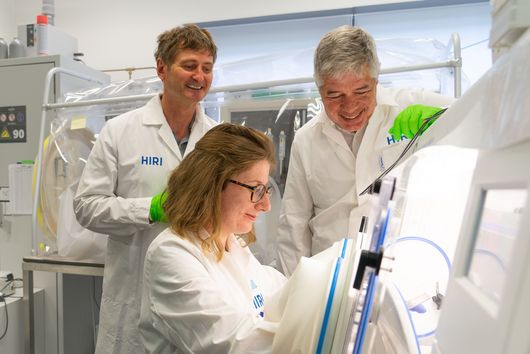
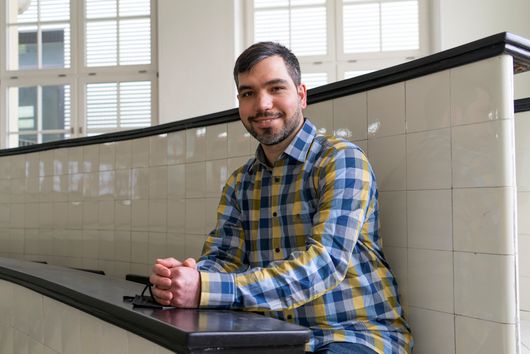
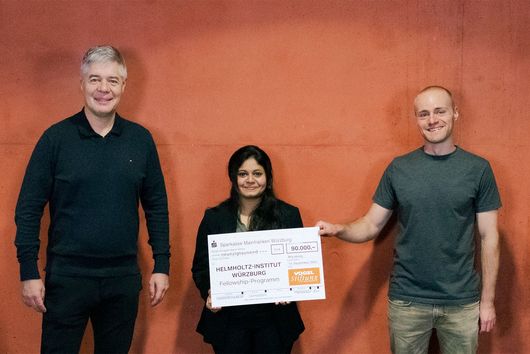
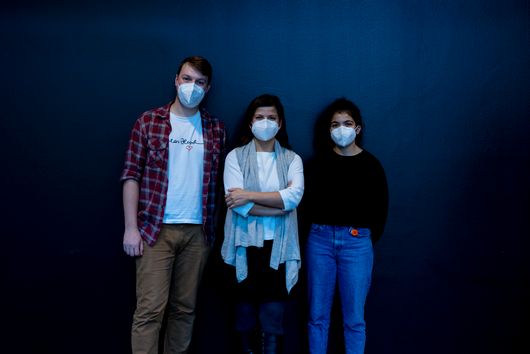
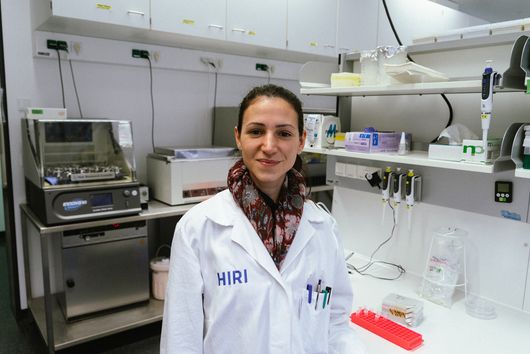
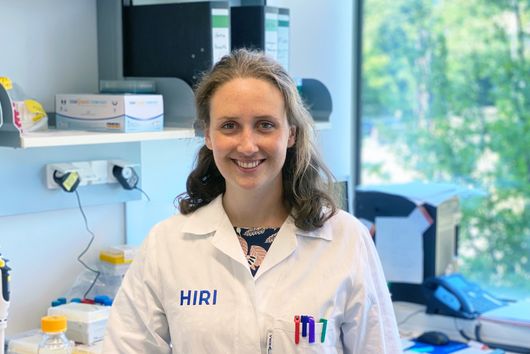
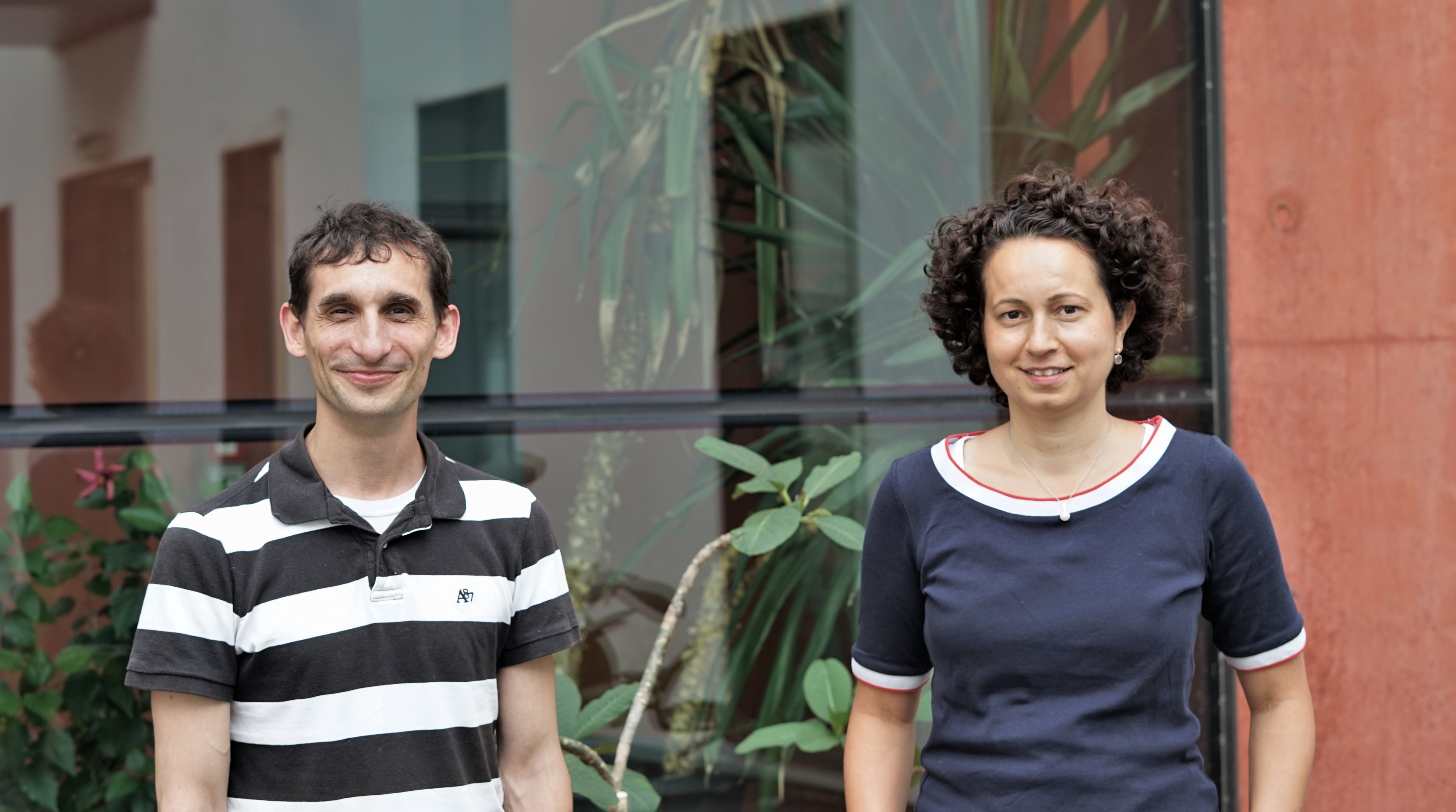
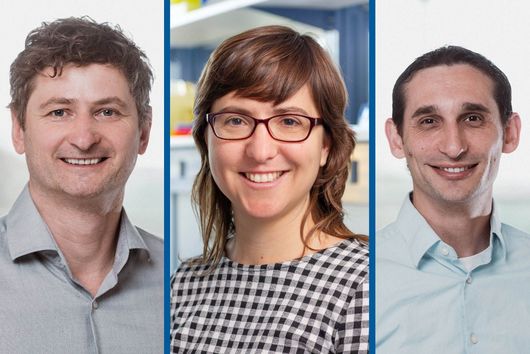
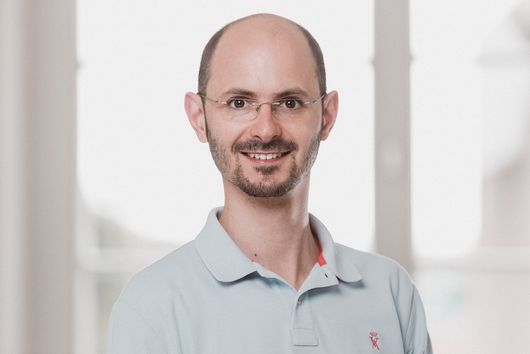
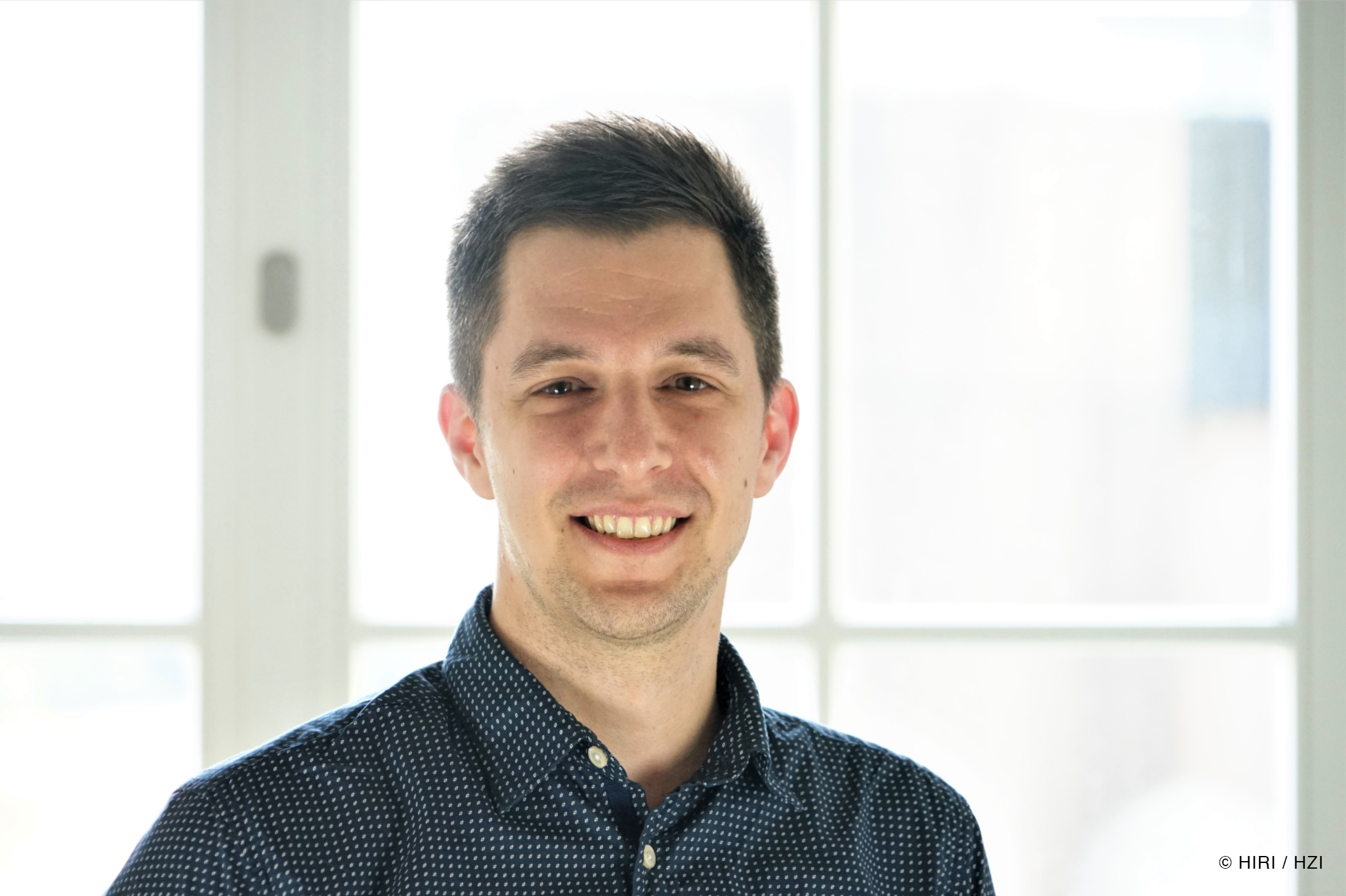
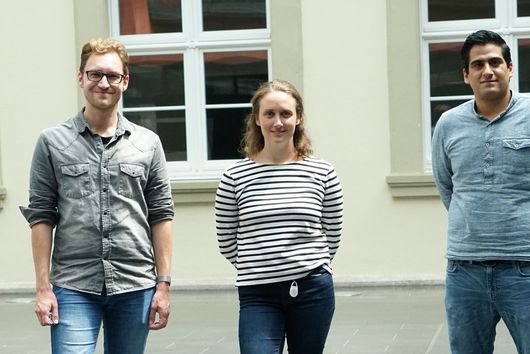
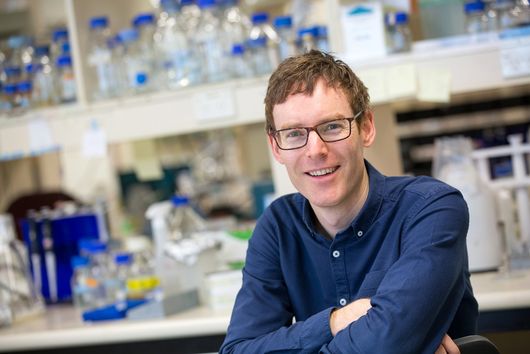
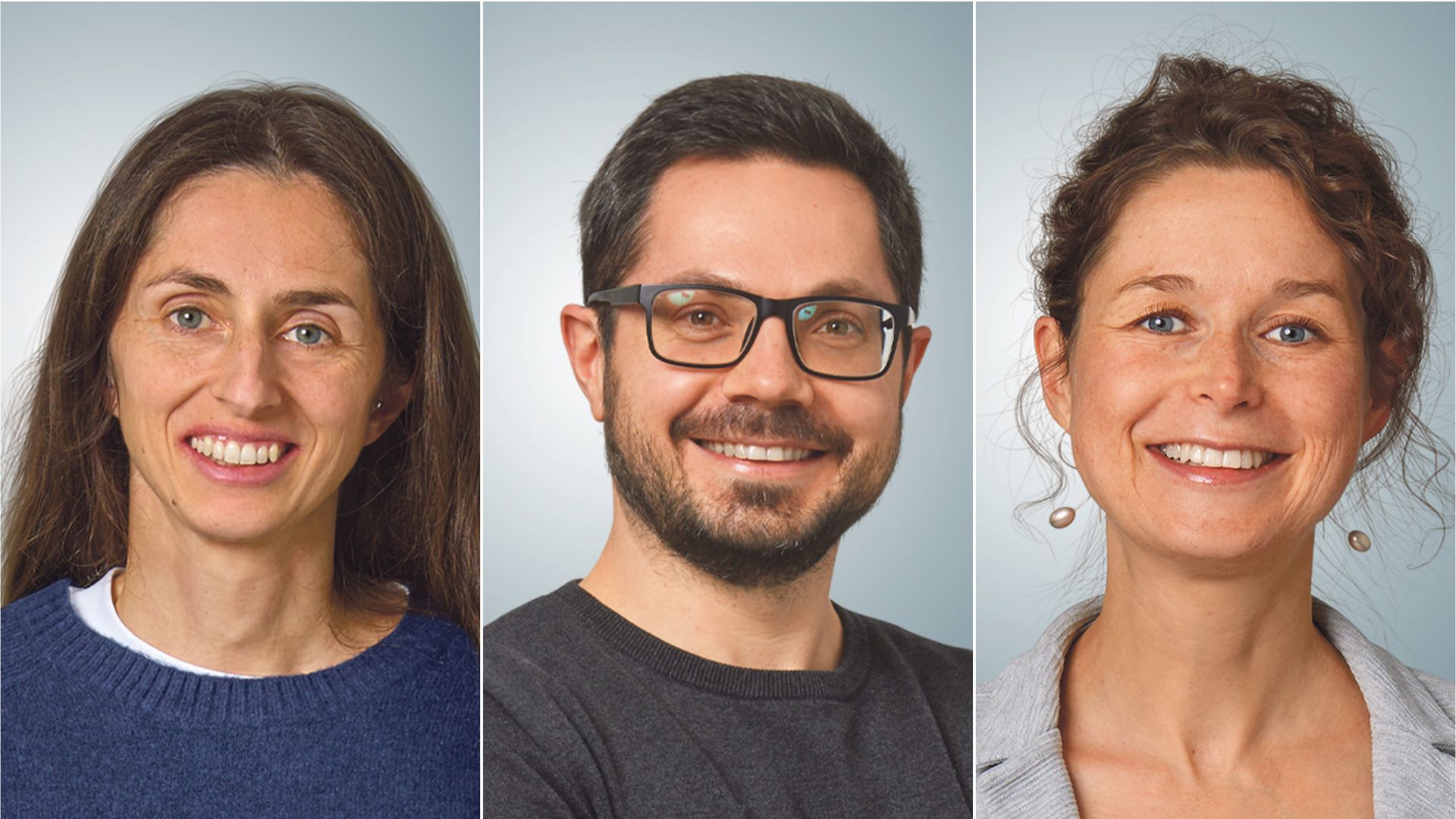
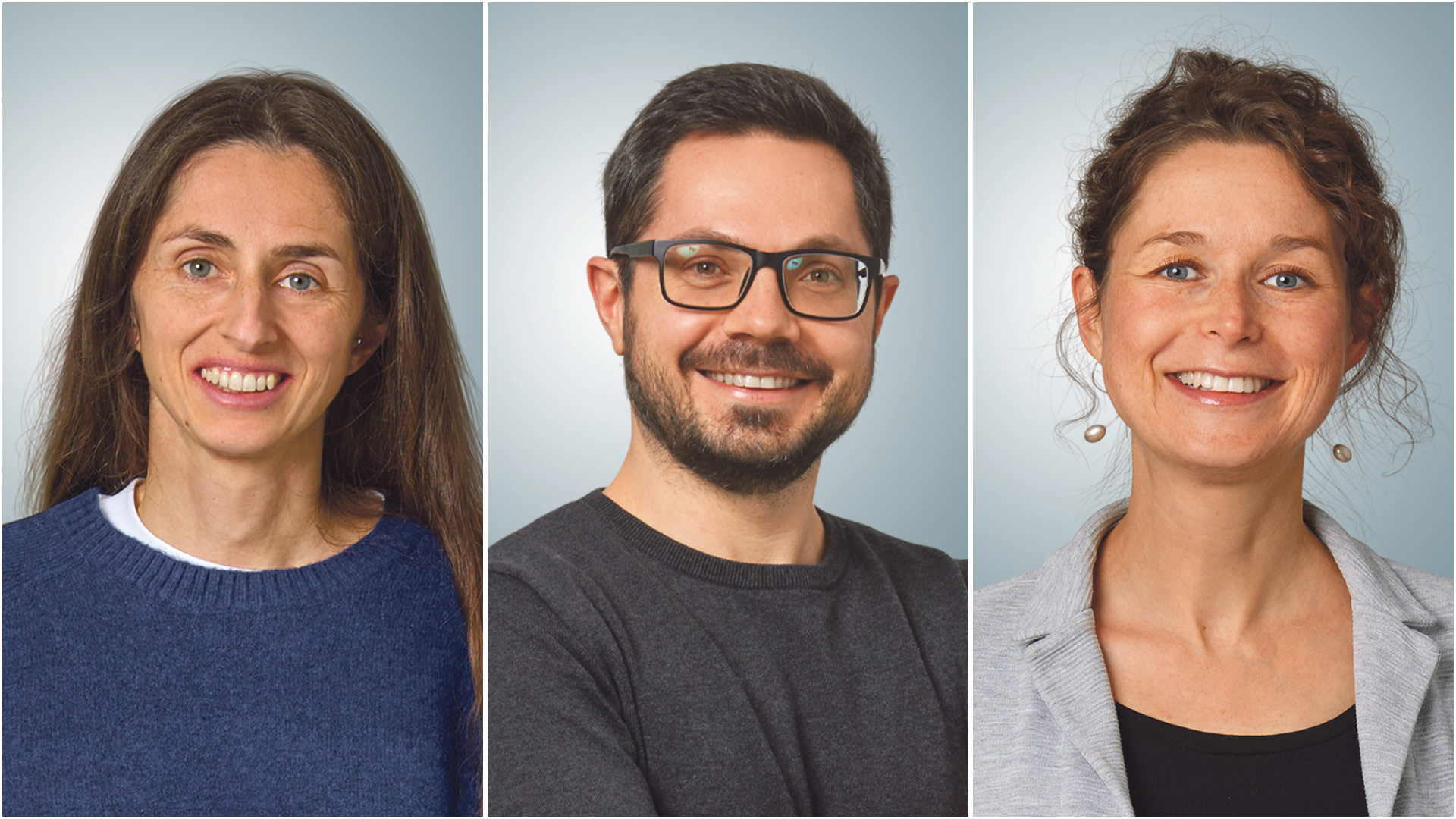
To strengthen global relationships and visibility, the Braunschweig Helmholtz Centre for Infection Research (HZI) is awarding “International Collaboration Seed Funds” to its researchers and international cooperation partners. Three scientists at the Helmholtz Institute Würzburg (HIRI) have been honored: Camilla Ciolli Mattioli is collaborating with Adam Rosenthal from the University of North Carolina School of Medicine in the USA. Franziska Faber and Alexander Westermann are working together with Thomas Emil Andersen from the University of Southern Denmark (SDU) in Odense.
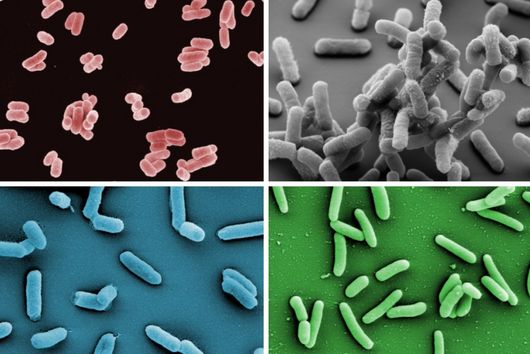
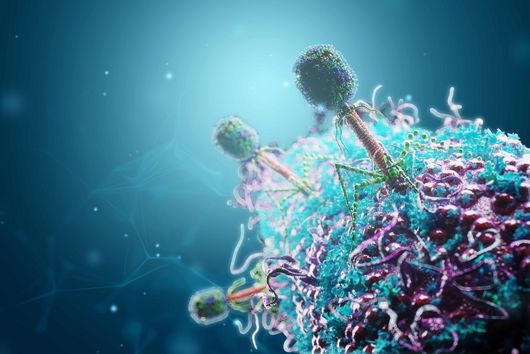
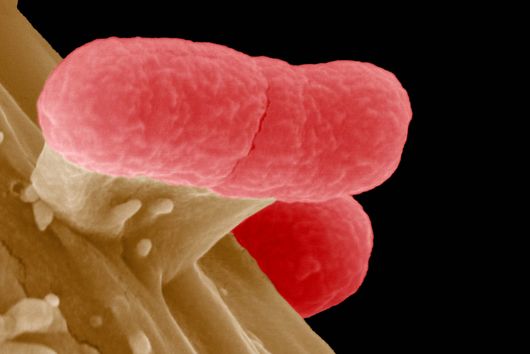
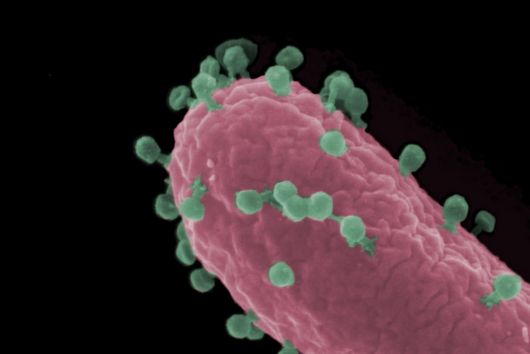
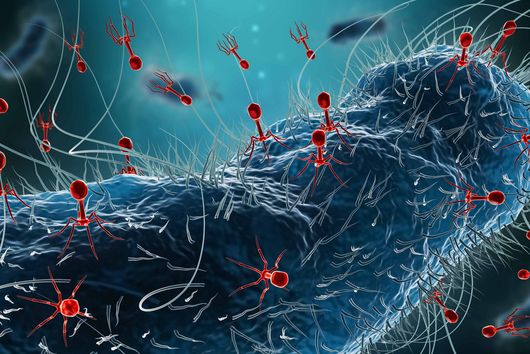
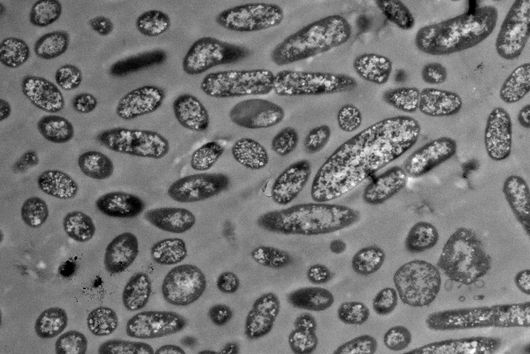
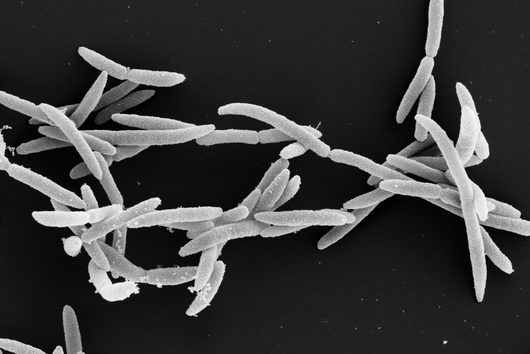
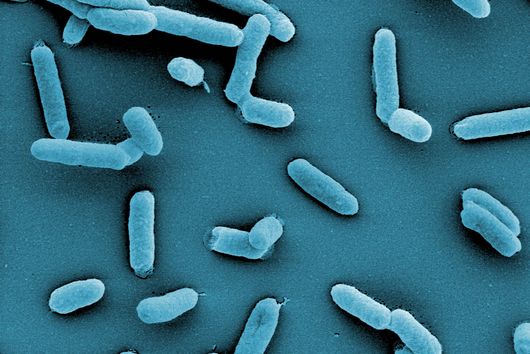
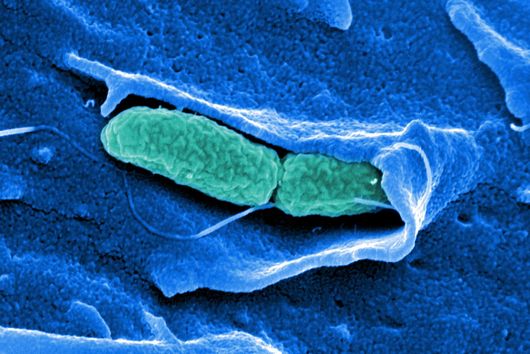
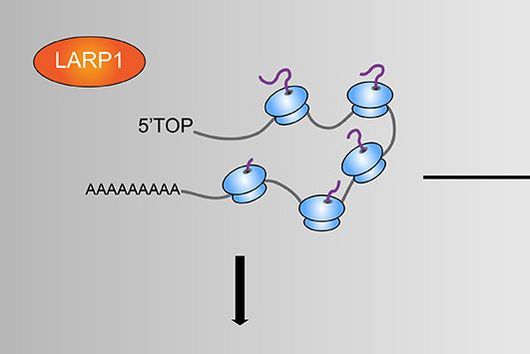
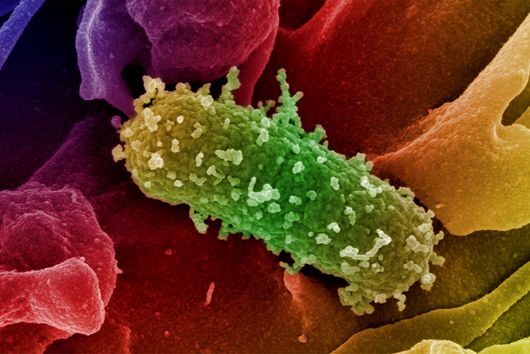
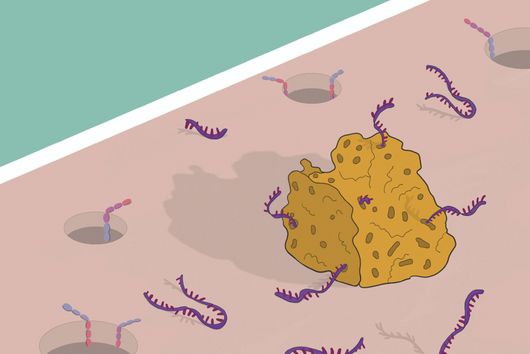
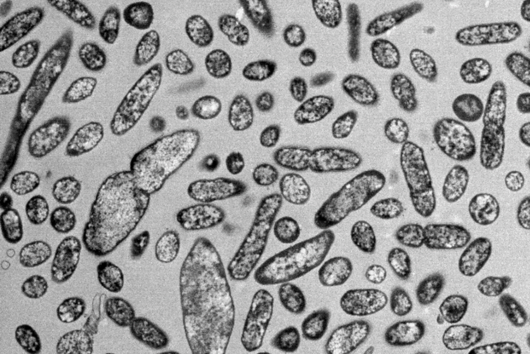
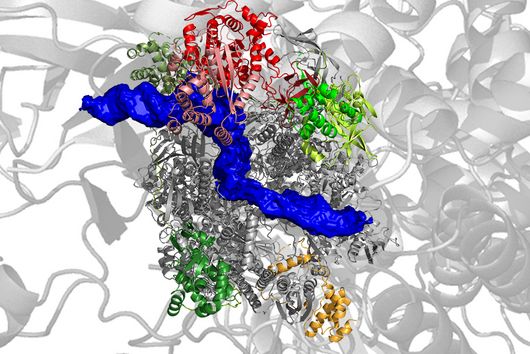
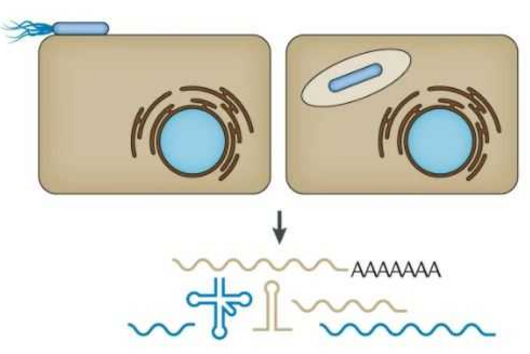
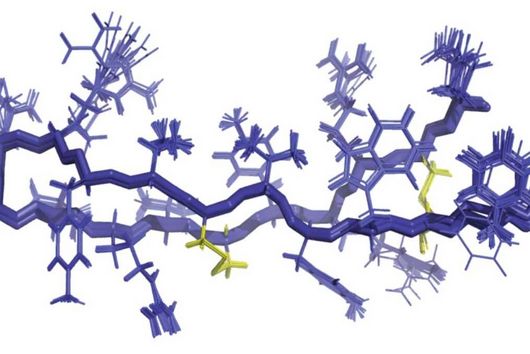
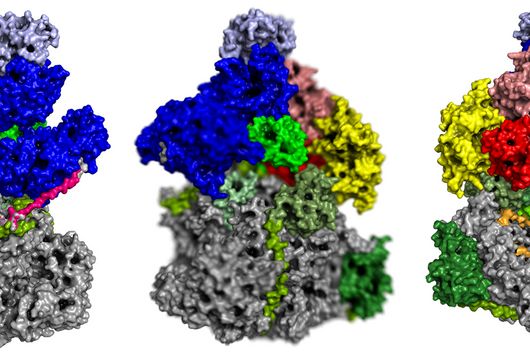
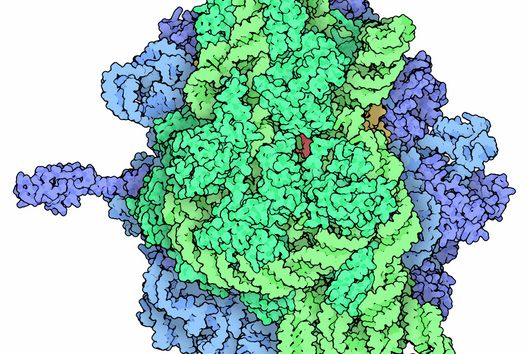
When bacteria face environmental stress—rising temperatures or increased salinity—they reprogram their transcription, the biological process by which genetic information is transcribed from DNA to RNA, by activating alternative sigma factors. These regulatory proteins bind to RNA polymerase, the cellular reading machine, and direct it to specific stress-response gene promoters. Yet a critical gap remains: current methods cannot distinguish whether individual bacteria activate these genes in synchrony or stagger their responses, nor can they resolve how genes are activated through alternative transcriptional start sites.
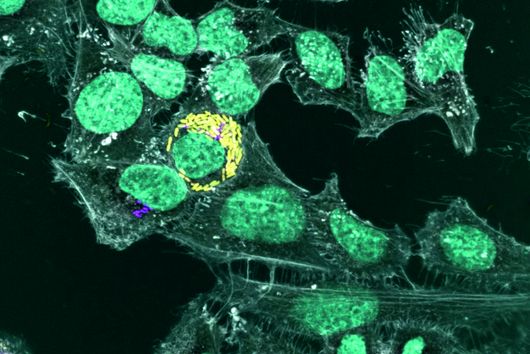
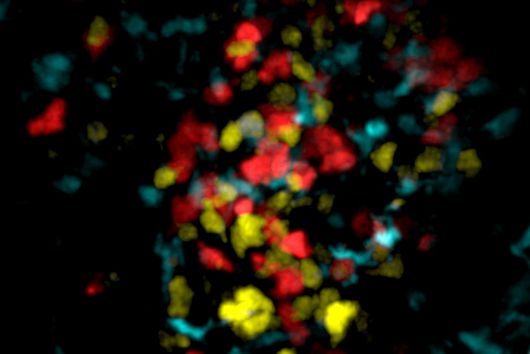
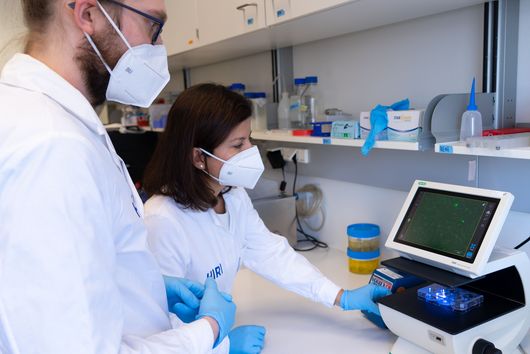
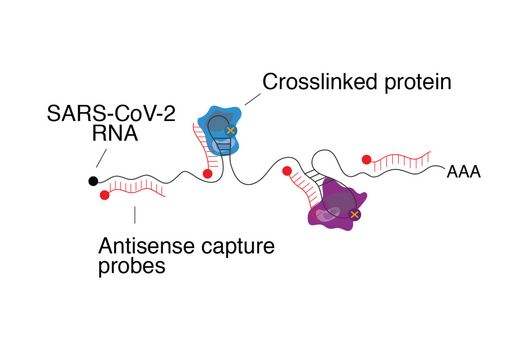
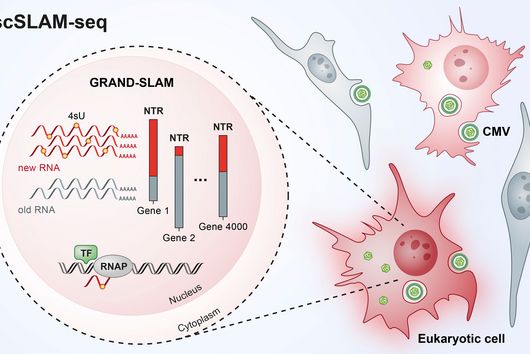
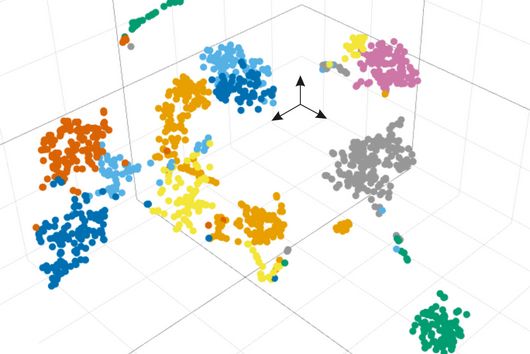
HIRI group leader Camilla Ciolli Mattioli and Adam Rosenthal will address this directly by integrating the Cappable-seq method with probe-based single-cell analysis that they have jointly developed. This novel combination enables them to sequence transcriptional start sites at single-cell resolution, revealing alternative start site usage and gene activation dynamics in Escherichia coli strains under controlled stress conditions. The 25,000-euro funding supports consumables, sequencing costs, and an extended research collaboration to complete the proof-of-concept studies. Success here will establish the foundation for a competitive grant application to the German Research Foundation (DFG).
Artificial Intestine for Infection Research
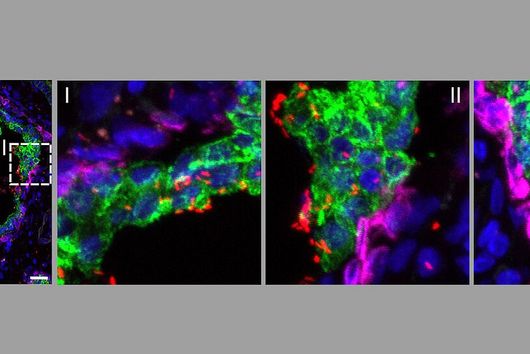
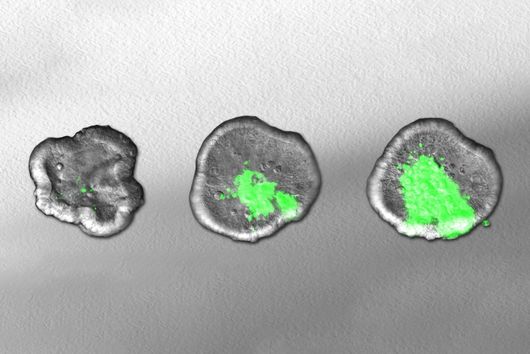
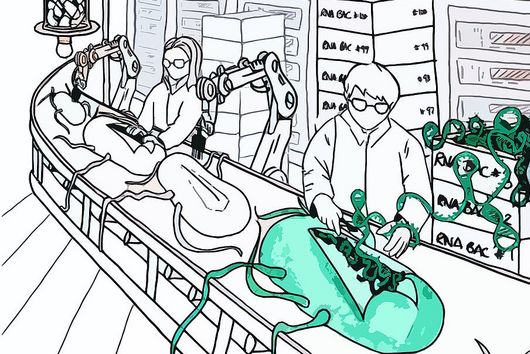
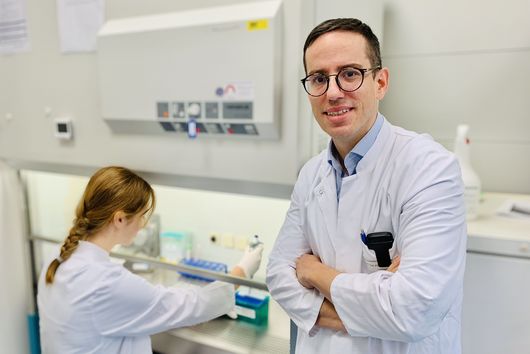
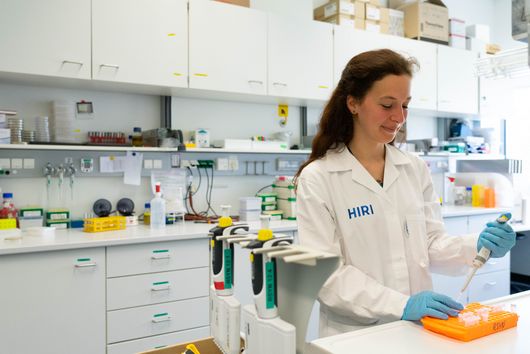
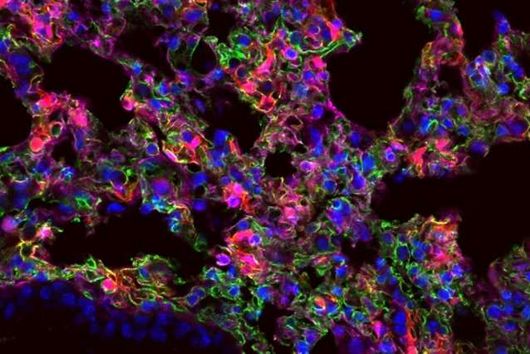
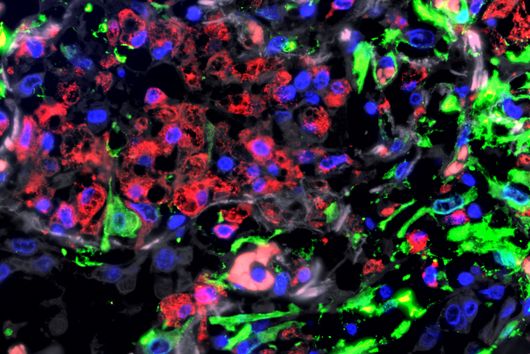
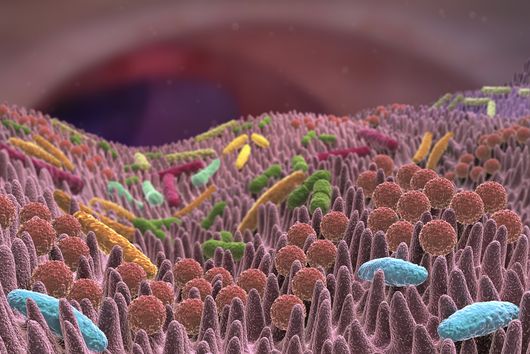
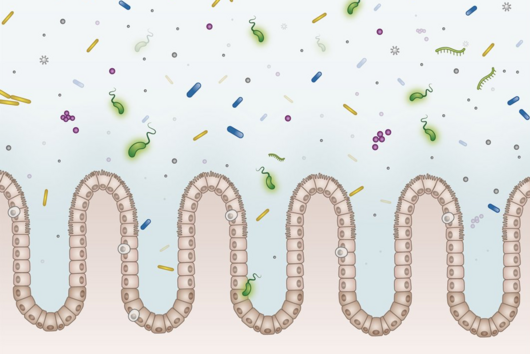
In addition, Franziska Faber, an associated group leader at HIRI, and Alexander Westermann, a scientist affiliated with HIRI, receive an “International Collaboration Seed Fund.” Together with Thomas Emil Andersen from SDU, they aim to develop a “Gut-on-Chip” model that mimics the human intestine in miniature form. The model is intended to facilitate the study of pathogenic bacteria that survive only in oxygen-free environments, such as the intestinal tract.
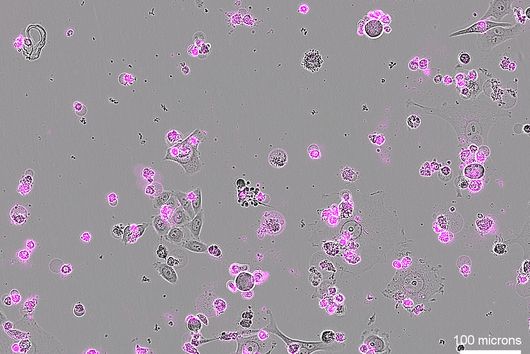
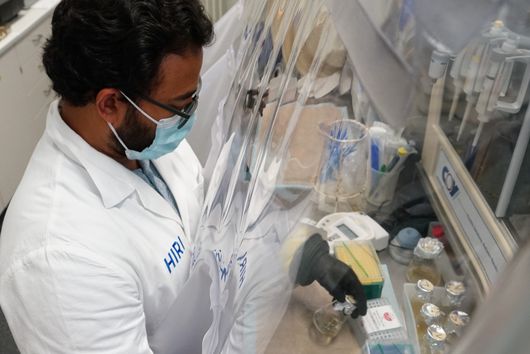
The laboratories of Faber and Westermann already operate a “Human-Intestine-on-Chip” model based on intestinal cells. Andersen's group has developed a regulatory module that maintains a stable oxygen-free environment in such co-cultures. With this funding, both components will be integrated and validated at HIRI. The team will then conduct long-term co-colonizations of the gut pathogens Clostridioides difficile and Salmonella enterica with the intestinal resident Bacteroides thetaiotaomicron. The researchers examine both wild-type and mutant strains to determine the importance of mucus layers for the survival and proliferation of the pathogens. The funding of close to 25,000 euros also enables the research stay of a visiting doctoral student in Würzburg, who developed the regulatory module in the Andersen lab.