


Technology Transfer
Here, we present a selection of technologies based on the expertise, discoveries, and patents of the Helmholtz Institute Würzburg (HIRI).
ASO-Based mRNA SilencingMultiplexed RNA detection (LEOPARD)Guide RNA targeting efficiency predictionProgrammable RNA-guided nucleases and orthogonal substratesDemultiplexing method of RNA-sequencing data
Humanity faces enormous challenges due to increasing antibiotic resistance, emerging pathogens and chronic infections. To effectively combat these threats, it is essential to rapidly translate scientific discoveries into innovative diagnostic and therapeutic approaches.
Researchers at the Helmholtz Institute Würzburg (HIRI) study the role of ribonucleic acid (RNA) in infection processes and develop new RNA-based strategies to fight pathogens. Through strategic collaborations and patents, we enable the implementation of our research into practical solutions—bridging groundbreaking basic research with real-world applications.
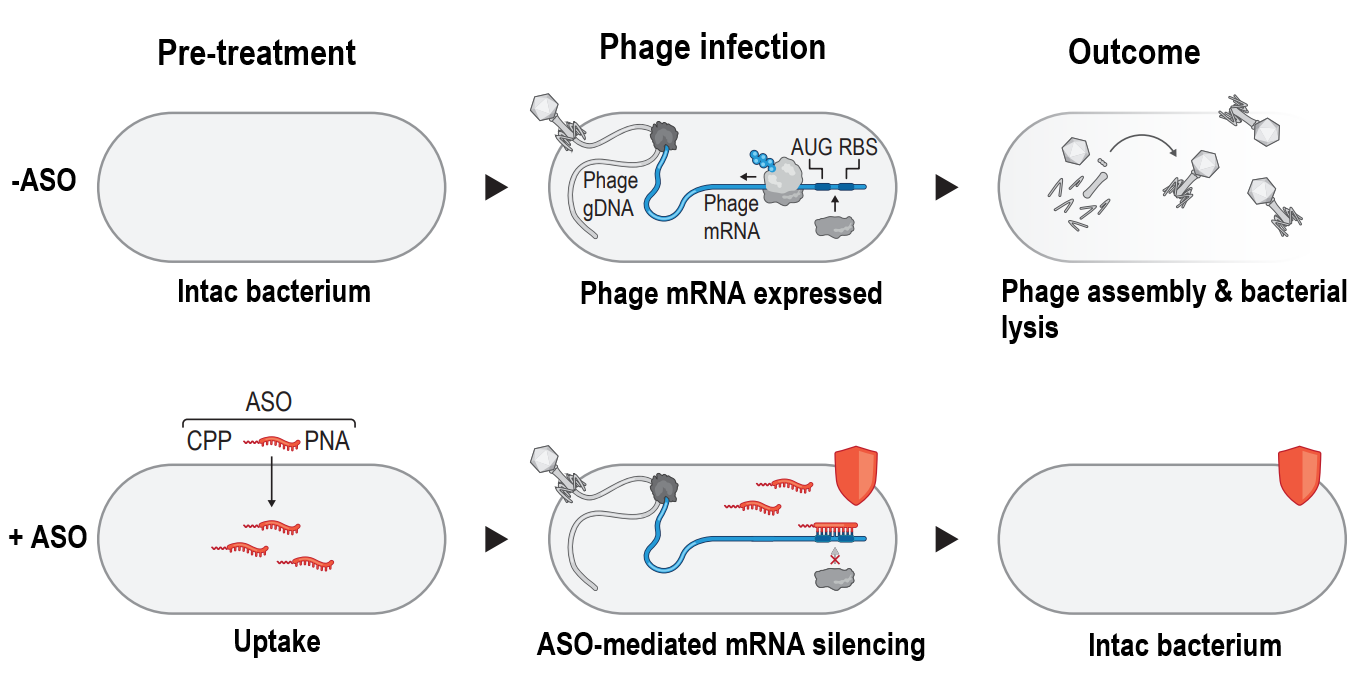
ASO-Based mRNA Silencing for Phage-Host Interaction Research
Bacteriophages, viruses that attack bacteria, exhibit enormous genetic as well as phenotypic diversity—and hold great potential for biotechnological and medical applications. However, exploiting this potential requires the functional characterization of essential genes. This technology offers a method for silencing messenger RNA in phages by using antisense oligomers (ASOs), allowing the mapping of genes in both DNA and RNA phages. The non-genetic approach could be useful in industrial applications where fermentation processes need to be protected from phage contamination or in optimizing phage therapy.

Inventors
- • Jörg Vogel, HIRI director
- • Milan Gerovac, former HIRI postdoc and now HZI group leader

Commercial Opportunity
- • Phage therapy
- • Biotechnology research
- • Pharmaceutical applications
- • Available for in-licensing and co-development
- • Industrial processes

Development Status
- • Experimental validation stage, with successful proof-of-concept studies
- • Further developments required to optimize ASO delivery

Patent Situation
- European patent application filed in July 2024
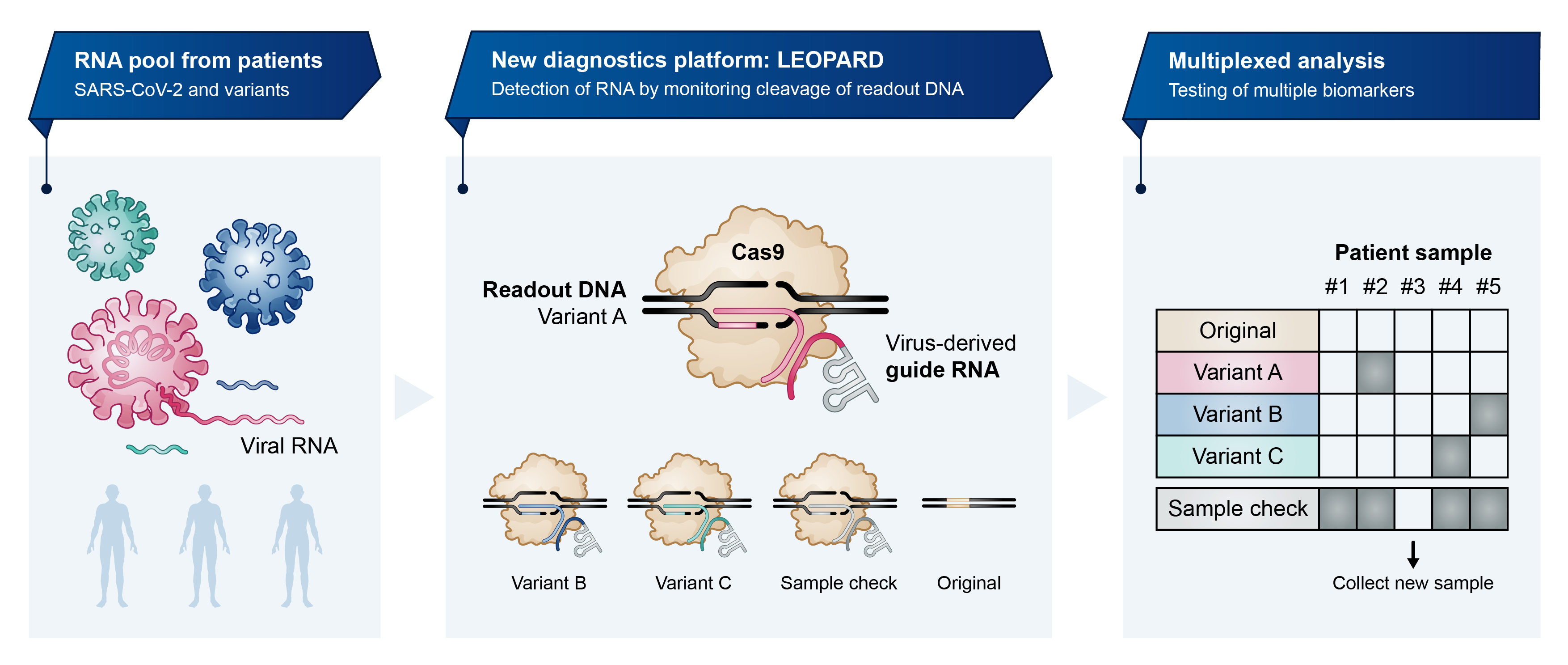
Multiplexed RNA detection with reprogrammed tracrRNAs (LEOPARD)
Most conventional molecular diagnostics, like PCR tests, usually detect only a single disease-related biomarker. In contrast, the CRISPR-based diagnostic platform LEOPARD is highly multiplexable, with the potential to detect a variety of disease-related biomarkers in just one test. By allowing rapid point-of-care testing, LEOPARD is particularly suitable for use outside the clinical environment.
Inventors
- • Chase Beisel, HIRI-affiliated department head
- • Chunlei Jiao, former HIRI PhD student / postdoc and now assistant professor at the National University of Singapore
- • Cynthia Sharma, professor at the University of Würzburg (JMU)
- • Gaurav Dugar, former JMU PhD student and now assistant professor at the University of Amsterdam
Development Status
- Current efforts focus on the development of a multiplexed detection systems based on microarrays and lateral flow strips
Patent Situation
- • European patent application filed in February 2020
- • PCT application published; national phase applications pursued in Australia, Canada, China, Europe, Israel, Japan, Korea, Singapore, and the United States
Prediction for guide RNA targeting efficiency for gene of interest
CRISPR interference (CRISPRi), which involves targeting a catalytically inactive Cas protein to block transcription, is the leading technique for gene silencing in bacteria. However, CRISPRi design rules remain insufficiently defined, making it challenging to develop effective tools. This technology provides a predictive algorithm for guide RNA design, improving silencing efficiency while reducing experimental screening costs.

Inventors
- • Lars Barquist, HIRI-associated scientist
- • Yanying Yu, former HIRI PhD student
Commercial Opportunity
- Offered for licensing
Development Status
- • Software implementation for any bacterium with a genome wide CRISPRi screen
- • Model to predict the guide efficiency of dCas9 implemented in E. coli, including webserver
- • Command-line tool available
Patent Situation
- • Priority application filed in July 2020
- • International PCT-application published in 2022
- • European patent granted in 2023
- • National/regional applications pending in US
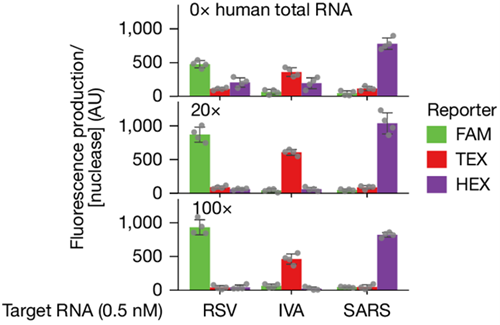
Programmable RNA-guided nucleases and orthogonal substrates for CRISPR diagnostics and therapy
The newly identified Cas12a2 and Cas12a3 nucleases and their cleavage substrates enhance and expand existing capabilities for CRISPR diagnostics and the detection of RNA biomarkers. Cas12a2 can cleave DNA substrates that are more stable and cheaper than RNA substrates, while Cas12a3 can be combined with other RNA-cleaving nucleases for multiplexed RNA detection. These inventions can help address existing diagnostic needs spanning clinical research testing labs to low-resource settings.
INVENTORS
- • Chase Beisel, HIRI-affiliated department head
- • Ryan Jackson, professor at Utah State University
- • Oleg Dmytrenko, former HIRI postdoc
Commercial Opportunity
- Available for co-development and in-licensing partnerships
Development Status
- • Shown proof of concept
Patent Situation
- • National phases with priority from 2021 in the US, Korea, Japan, Israel, Canada, China, Australia, and Europe for Cas12a2
- • Provisional priority application for the orthogonal substrates in the US filed in November 2024
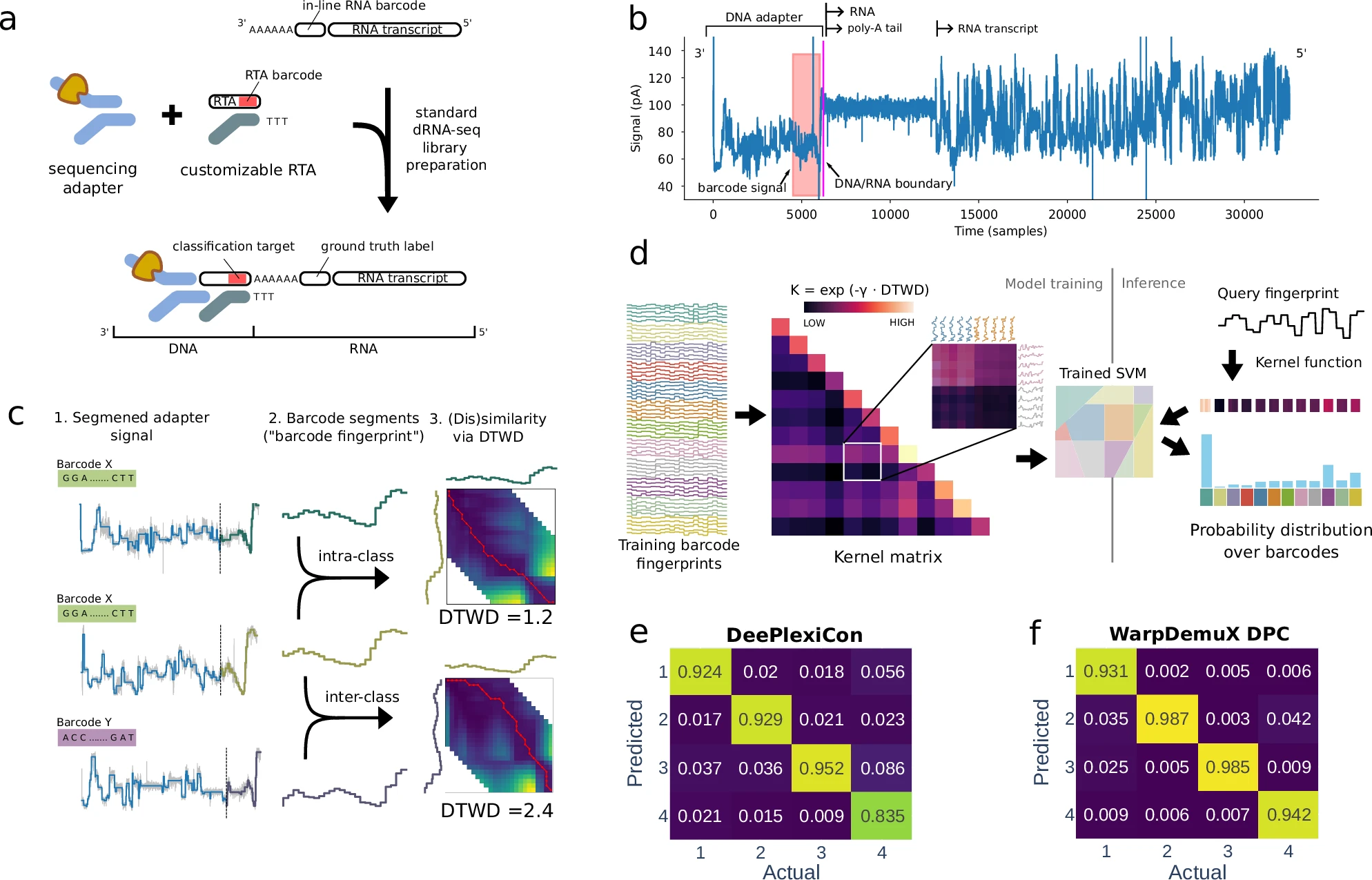
Demultiplexing method of RNA-sequencing data
Multiplexing is widely used in RNA sequencing to reduce cost, save time, and minimize technical variability between samples. In nanopore direct RNA sequencing, however, demultiplexing is challenging because barcodes are carried on DNA adapters, while direct RNA basecallers are trained to interpret RNA signal and therefore do not reliably read these DNA barcode sequences. WarpDemux addresses this problem by classifying barcodes directly from the raw nanopore signal rather than from basecalled sequence. It uses specially designed barcoded adapters that are distinguishable in signal space, allowing rapid and accurate assignment of reads to samples. Because classification can be performed in real time, WarpDemux can also be used to guide sequencing decisions during the run, improving barcode balance, data yield, and overall sequencing efficiency.
Inventors
- • Wiep van der Toorn, former PhD student at Freie Universität Berlin
- • Liu-Wei Wang, PhD student at Freie Universität Berlin
- • Redmond Smyth, former HIRI group leader
- • Patrick Bohn, former HIRI PhD student
- • Max von Kleist, professor at Freie Universität Berlin
Commercial Opportunity
- • can be used in diagnostics or to control sequencing instruments for multiplexed sequencing
- • promising solution in the dRNA-seq demultiplexing landscape
- • available for co-development and/or licensing
Development Status
- • validated in laboratory settings
- • ongoing optimization for large-scale applications and integration with existing sequencing platforms
Patent Situation
- • PCT priority application filed in April 2024, second PCT application filed in April 2025
More about our Research
Research foci
Research Groups
Publications
Würzburg RNA Ecosystem
SARS-CoV-2 Research