The Alpine RNA Summit in St. Moritz
RNAmed joined the grand finale of the Swiss NCCR RNA & Disease
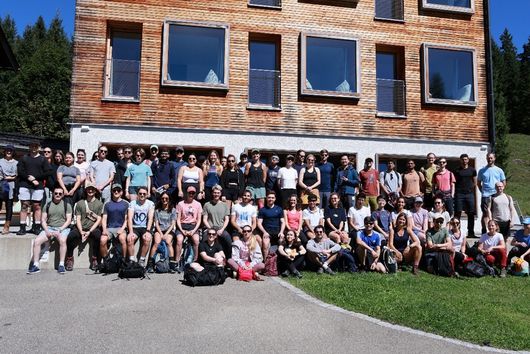
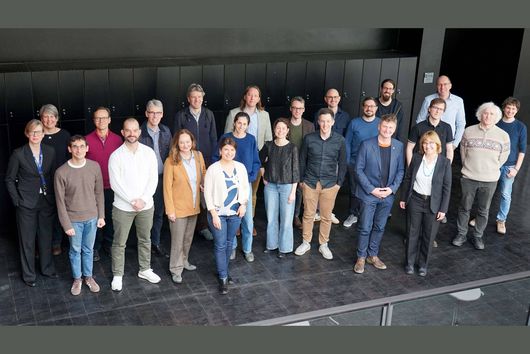
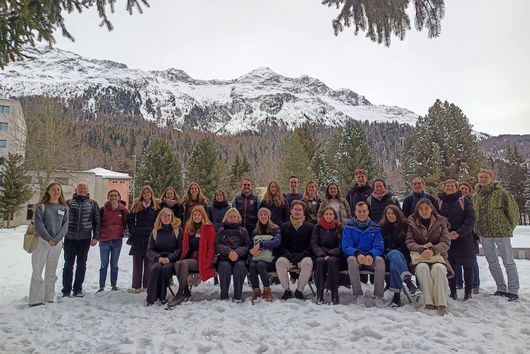
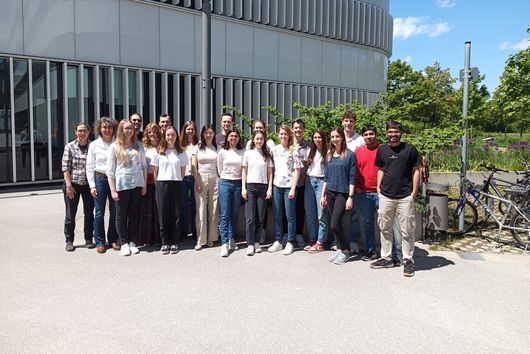
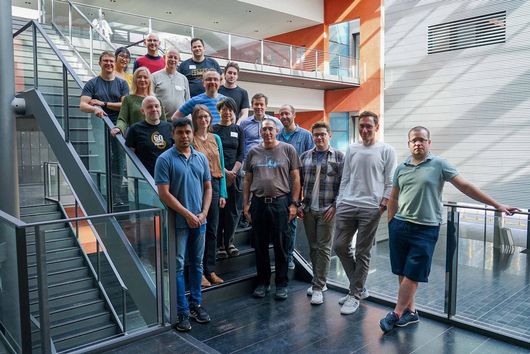
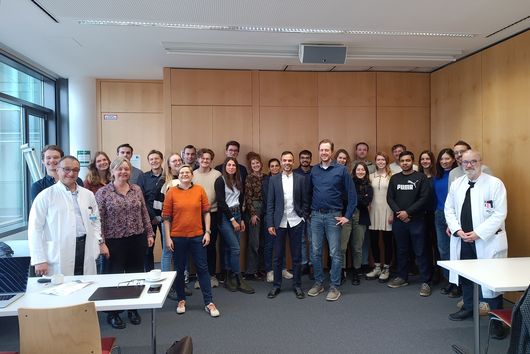
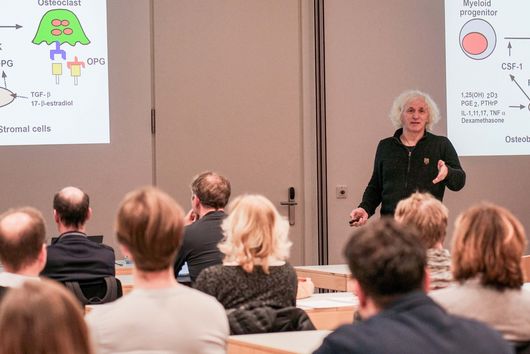
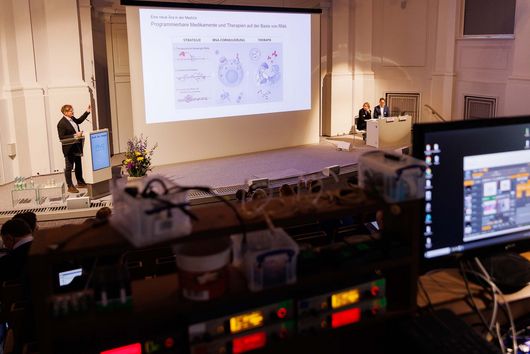
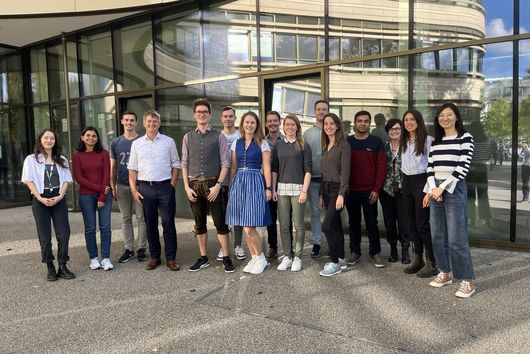
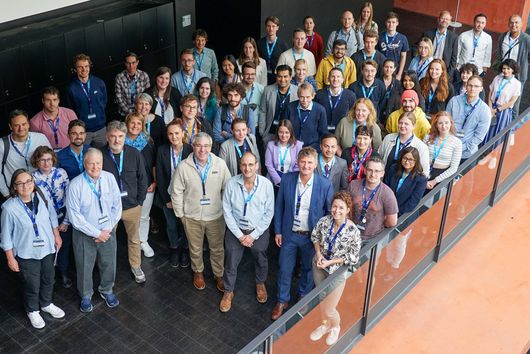
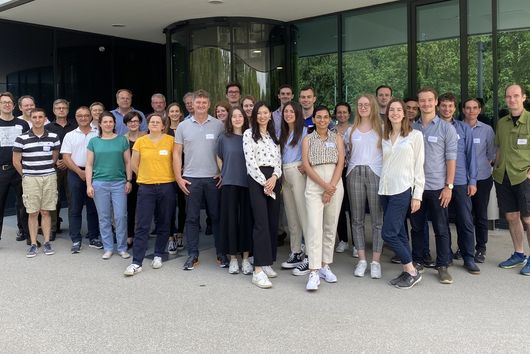
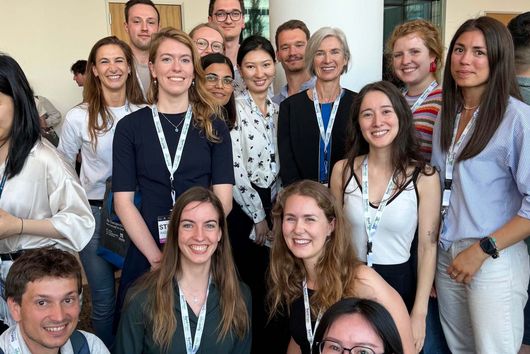
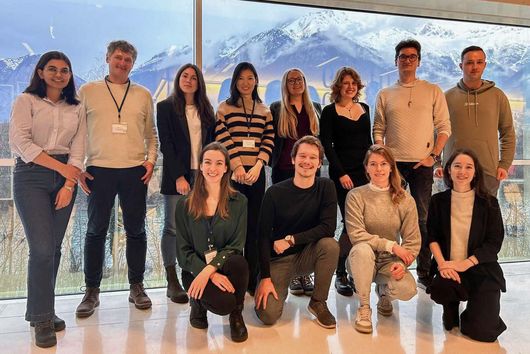
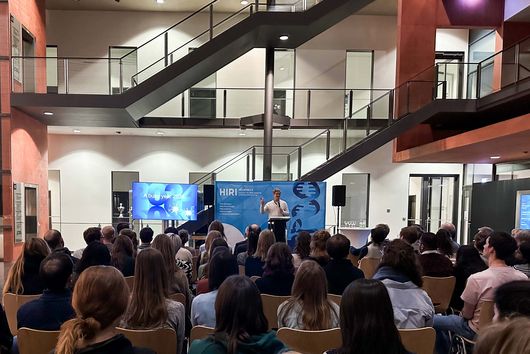
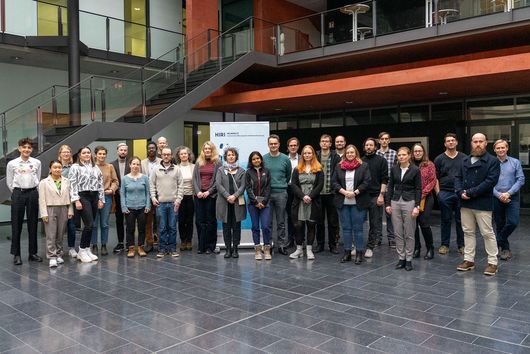
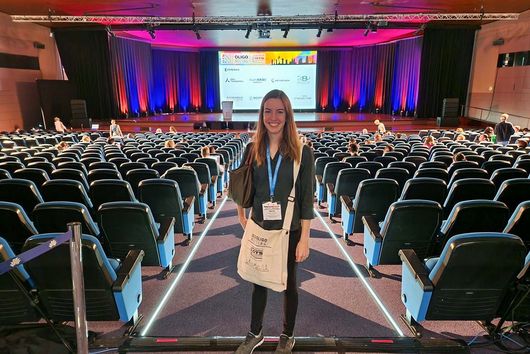
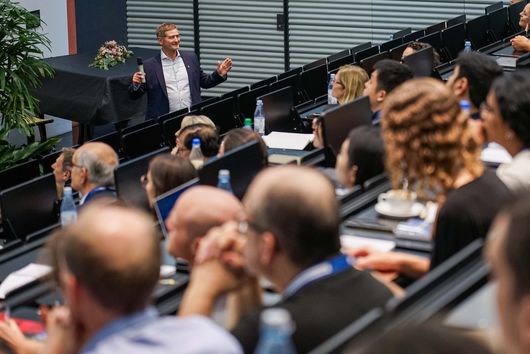
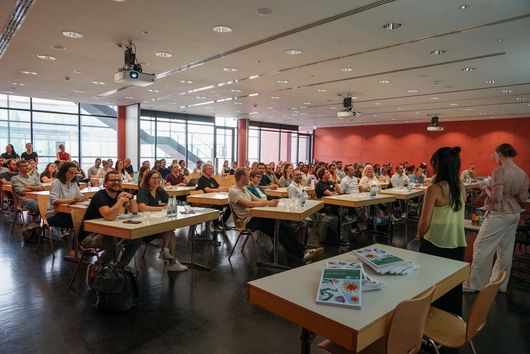
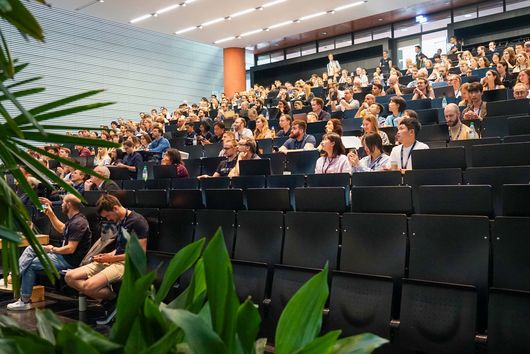
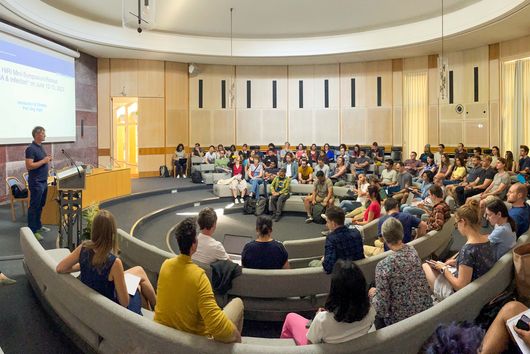
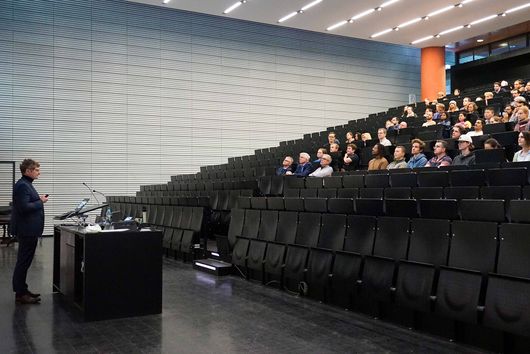
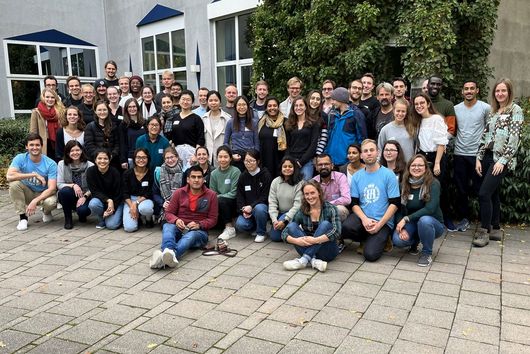
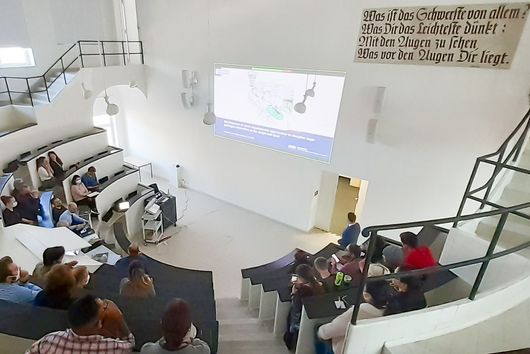
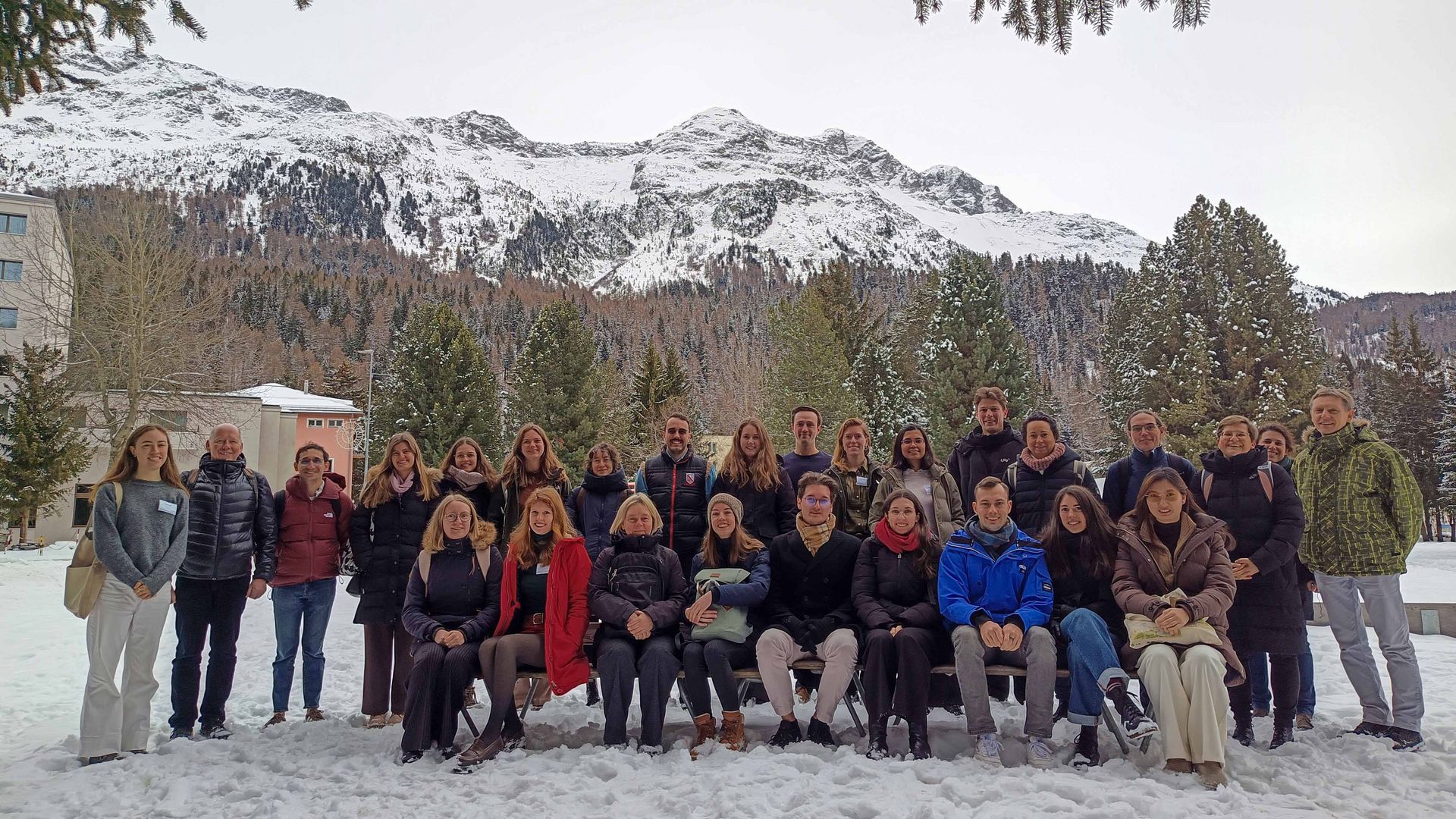
The symposium on "Molecular Mechanisms of RNA in Disease" marked the final scientific meeting of the Swiss National Center of Competence in Research (NCCR) RNA & Disease program, concluding over a decade of coordinated RNA research since its launch in 2014. Held from January 26 to 29, 2026 in St. Moritz, Switzerland, the symposium brought together leading researchers based in Switzerland, Austria, France and Germany to reflect on major advances in RNA biology and to foster new collaborations. RNAmed participated in this meeting with both talks and posters.
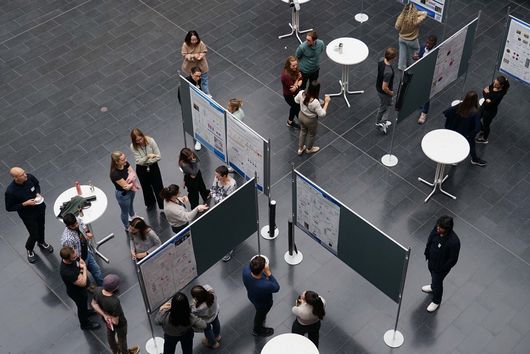
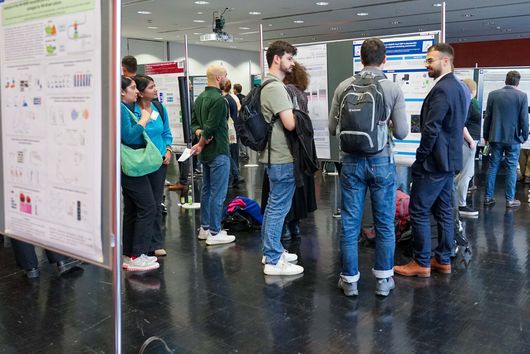
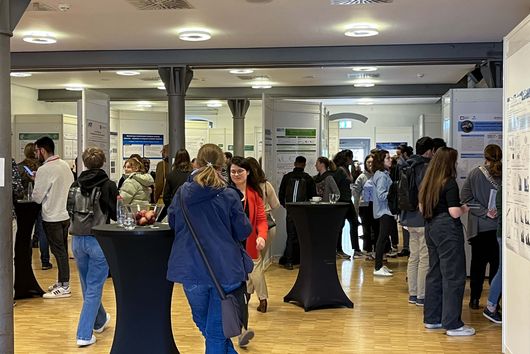
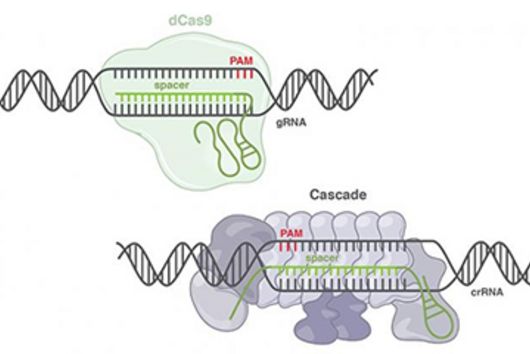
The scientific program comprised eleven sessions covering RNA therapeutics, RNA modifications, translation, small RNAs, RNA processing, genome engineering, RNA quality control and disease models. Arranged thematically, the sessions featured a balanced mix of keynote lectures and short talks, highlighting both fundamental mechanisms and translational approaches. Complementing the oral program, the symposium hosted two extensive poster sessions with more than 130 contributions, social events, and a dedicated free afternoon, leveraging the unique alpine setting of the Engadin Valley to promote interaction beyond the lecture hall.



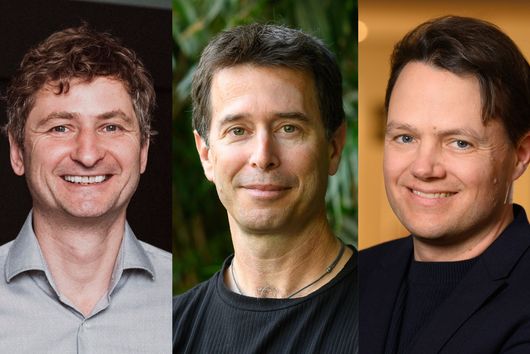
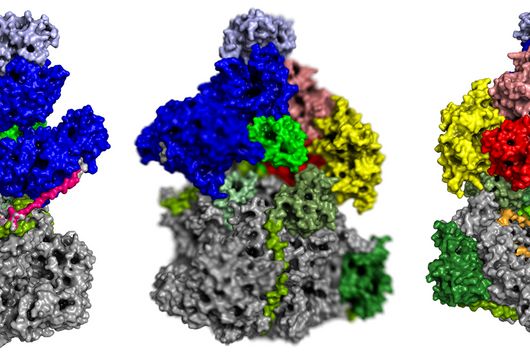
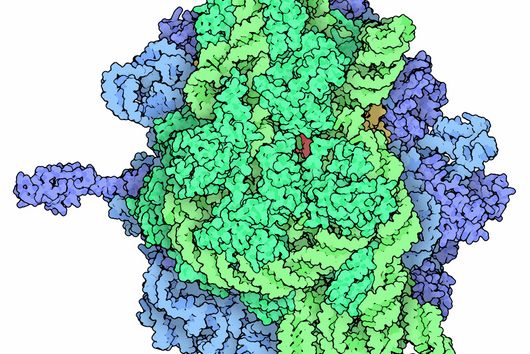
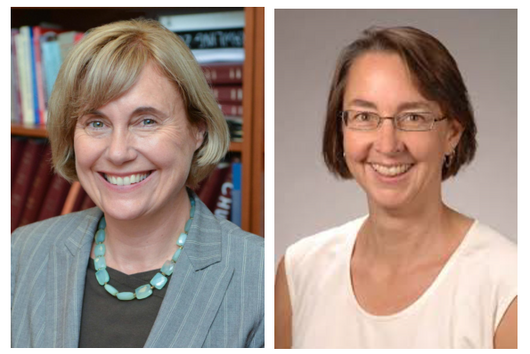
Among the international keynote lectures we were especially inspired by Sarah A. Woodson, Adrian Krainer, and Javier Caceres providing complementary perspectives on RNA structure, regulation, and disease relevance. Woodson outlined mechanistic principles of rRNA folding and ribosome assembly, emphasizing the role of RNA structure, helicases, and modifications in ensuring translational fidelity. Krainer presented splice-switching antisense oligonucleotides to selectively modulate pathogenic splicing programs, illustrating how detailed knowledge of RNA processing can be translated into therapeutic strategies. Caceres focused on RNA quality control pathways, integrating RNA processing and surveillance mechanisms into a regulatory framework that links gene expression fidelity to disease. Together, these contributions connected fundamental and translational aspects of RNA biology and highlighted RNA-centered mechanisms as key determinants of cellular function.
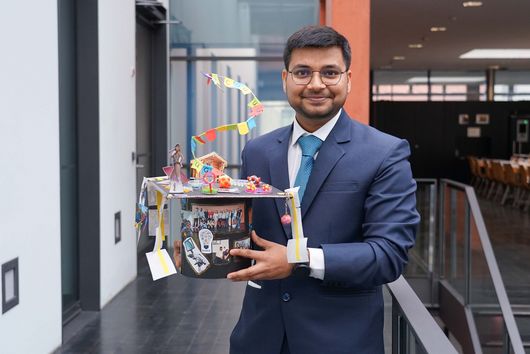
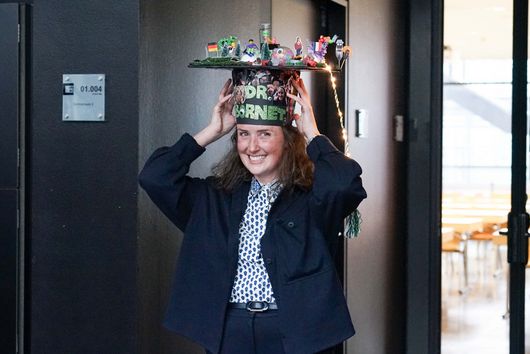
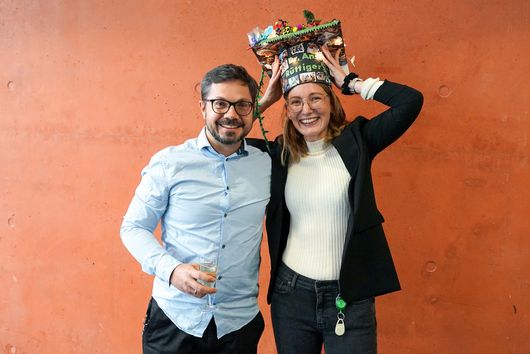
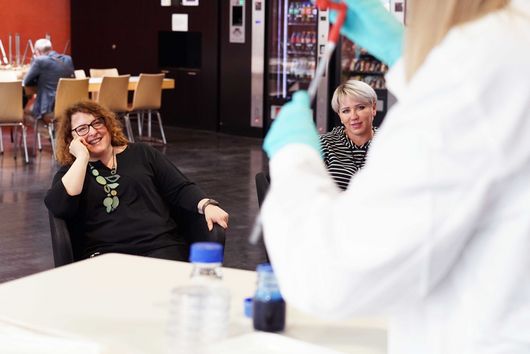
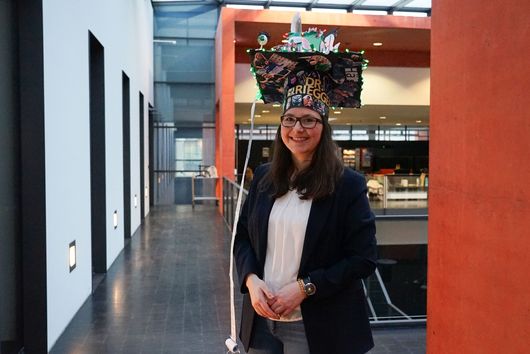
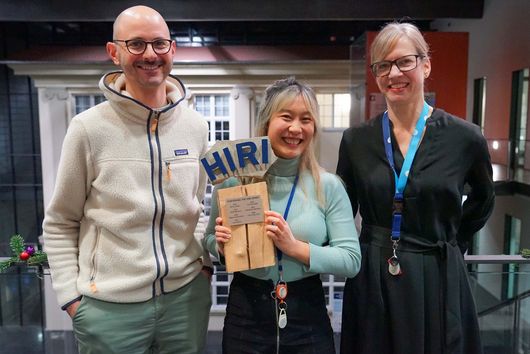
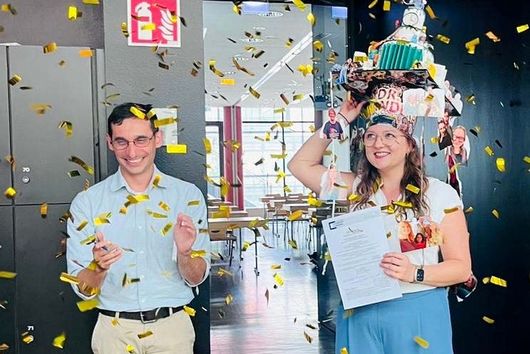
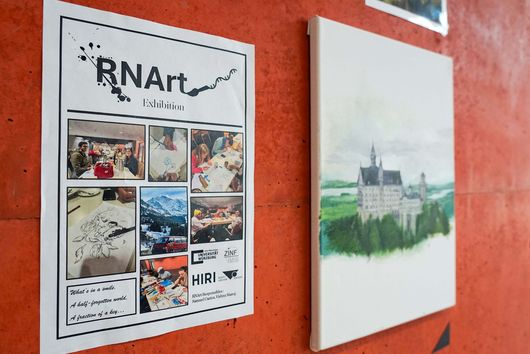
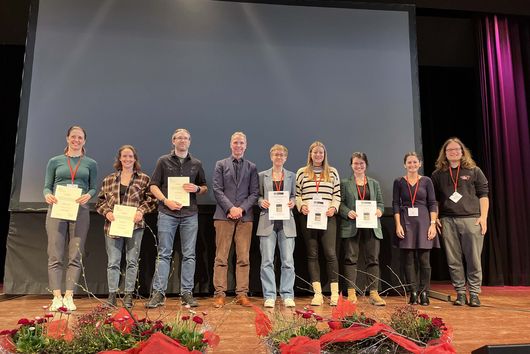
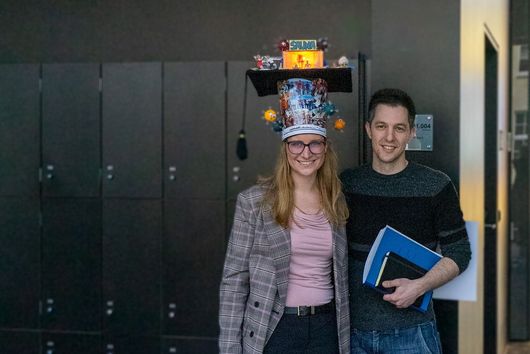
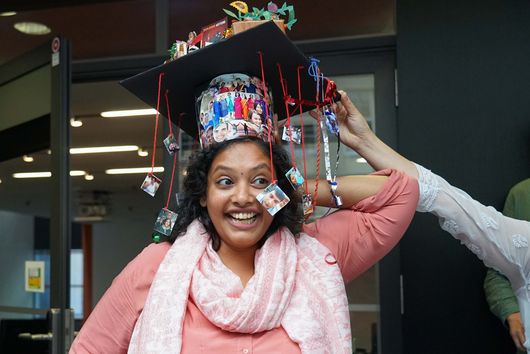
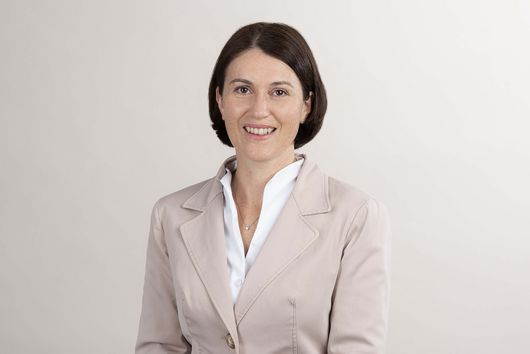
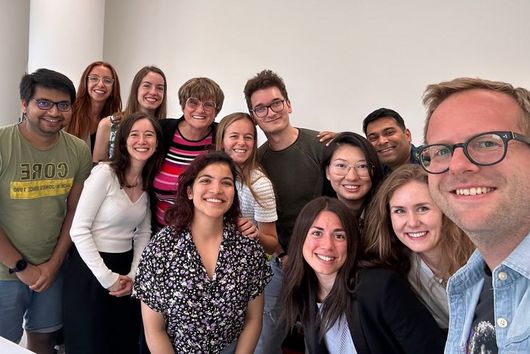
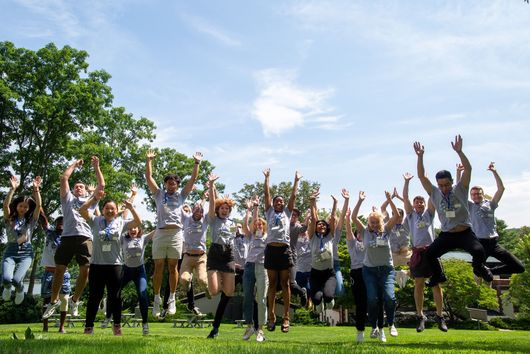
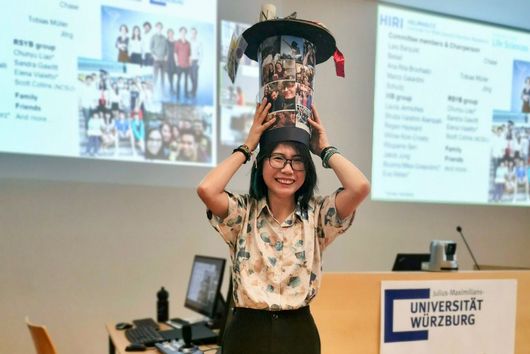
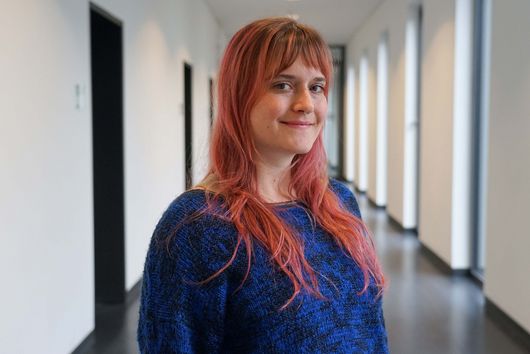
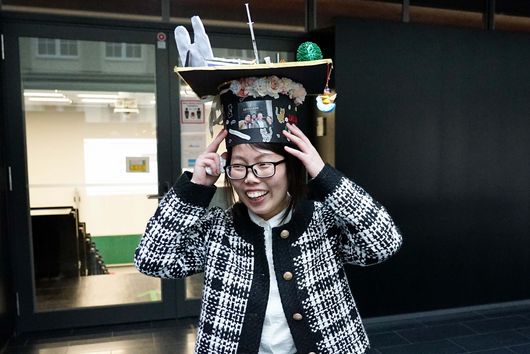
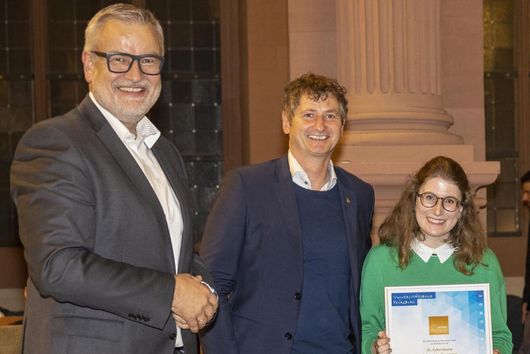
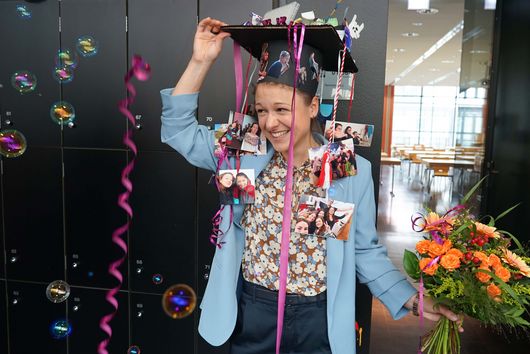
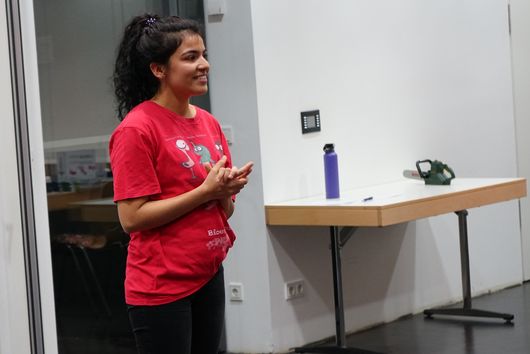
To complement the intensive scientific program, the symposium also included a creativity contest, a flying dinner, and a conference party, all of which were intended to encourage researchers to make new contacts. The creativity contest highlighted the breadth of talent within the community, with contributions demonstrating perspectives well beyond experimental work. Marina Sauer from the RNAmed program was awarded first prize for her personality quiz “Which RNA are you?” and received a Nikon camera. The flying dinner offered a great platform for a more casual exchange. To top it all, the event concluded in a little party where great minds showed off with even greater dance moves.
As the final symposium of the NCCR RNA & Disease, it served as both a scientific milestone and a forward-looking forum. By bringing together established leaders and emerging scientists from neighboring European countries, the symposium reinforced the collaborative spirit. The meeting concluded with a clear message: although the NCCR RNA & Disease program formally ends, the networks, concepts, and technologies it fostered will continue under the new Swiss Institute for RNA & Disease (SIRD) umbrella to impact RNA research and RNA-based medicine in the future.
We would like to thank the local organizers for their invitation and look forward to our continued partnership.
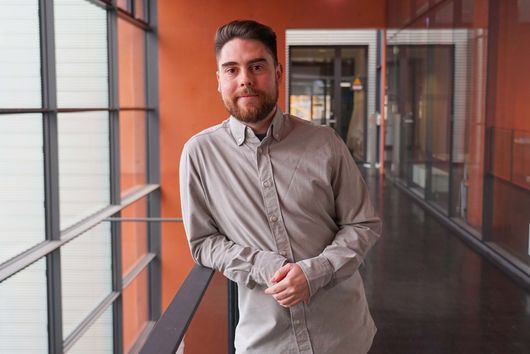
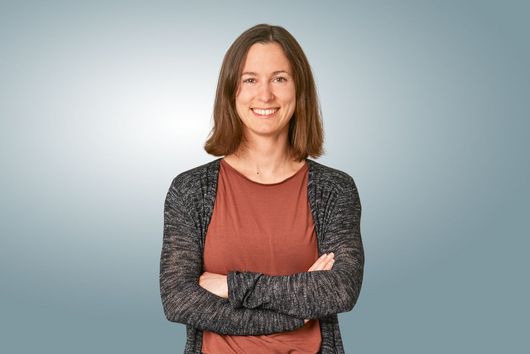
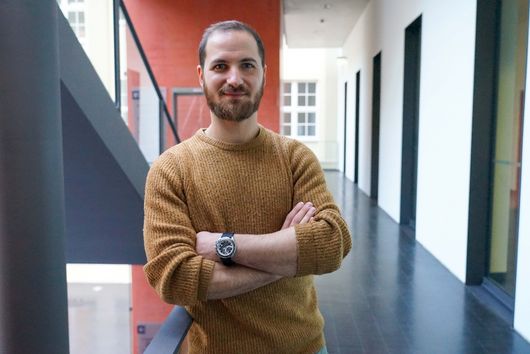
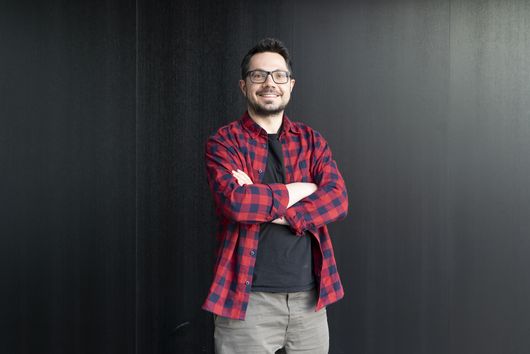
Mario Seimel – PhD student in the group of Prof. Dina Grohmann (University of Regensburg)