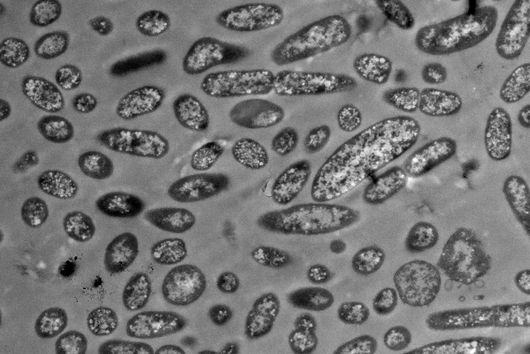

Ribosomal ribonucleic acid (rRNA) is an essential component of ribosomes, the cellular machines responsible for protein synthesis. Understanding how rRNA changes can provide insights into fundamental cellular processes and disease mechanisms. Until now, however, it has been difficult to study these modifications across multiple samples and species. An international research team led by the Weizmann Institute of Science in Rehovot, Israel, has taken on this challenge. The laboratory of Jörg Vogel, Director of the Helmholtz Institute Würzburg (HIRI), is also involved in the project. The team recently published its findings in the journal Cell.
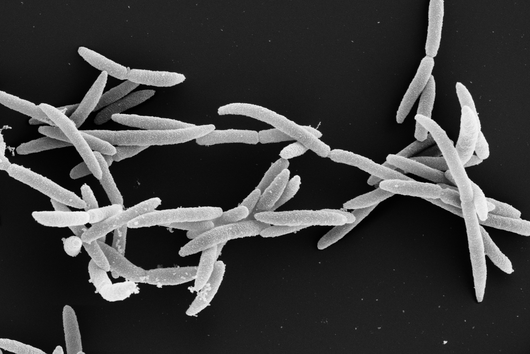
The study describes a new technique called Pan-Mod-seq, which enables the systematic mapping and study of chemical modifications in rRNA in many species and under various growth conditions. The team discovered that rRNA modifications in hyperthermophiles, organisms that thrive in extreme heat, are highly dynamic and temperature-induced. These changes can therefore help stabilize ribosomes at increased temperatures.
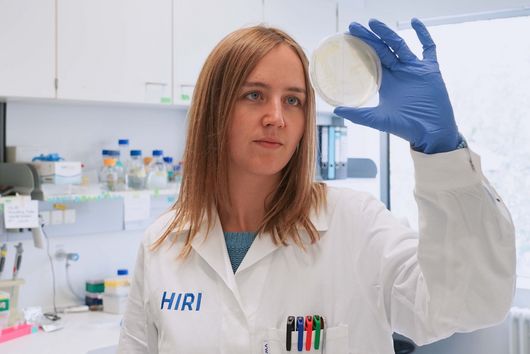
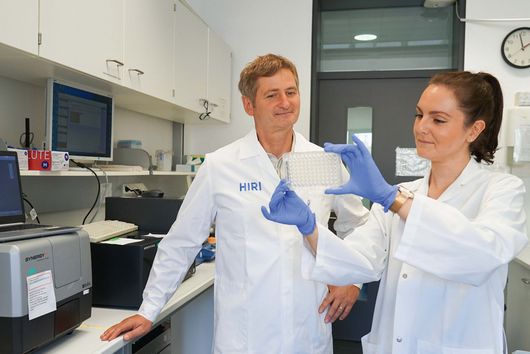
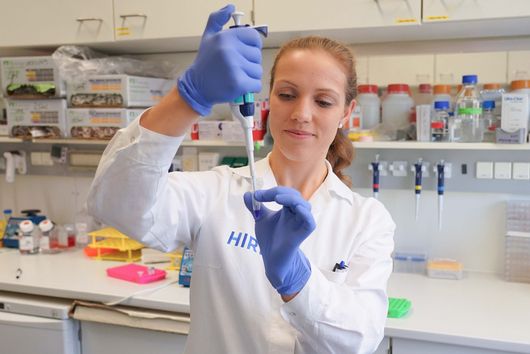
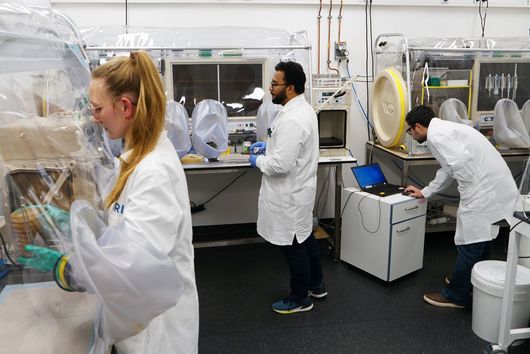
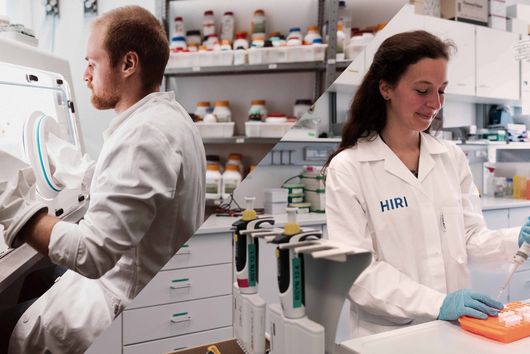
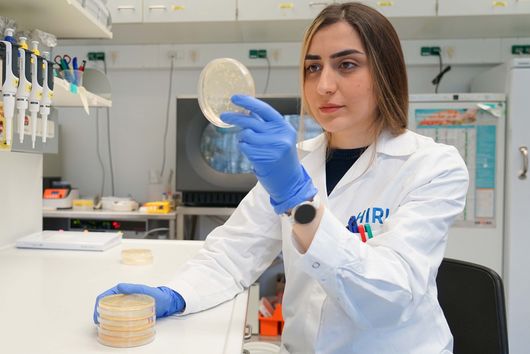
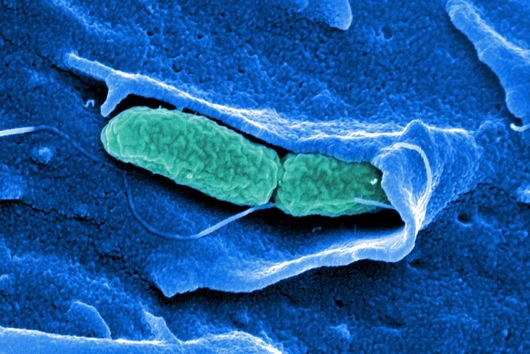
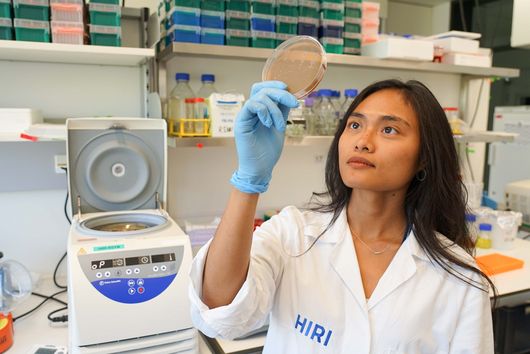
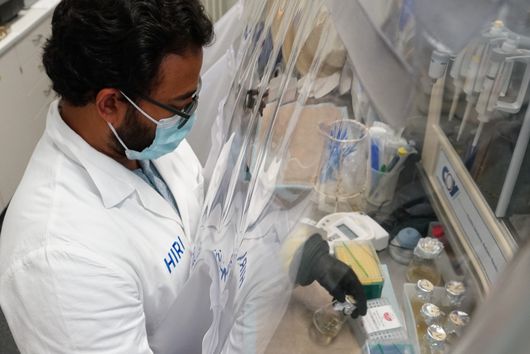
At the HIRI, the research focused specifically on the development of sample preparation methodology and isolation of rRNA from pathogens that allowed for the identification of modifications.
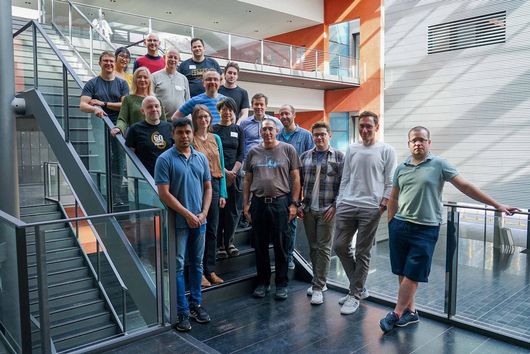
This international research project involves eight nations. Alongside HIRI—a site of the Braunschweig Helmholtz Centre for Infection Research in cooperation with Julius-Maximilians-Universität Würzburg—the following institutions were involved: the University of Regensburg, Colorado State University in Fort Collins, Lawrence Berkeley National Laboratory, the National Cancer Institute in Frederick, Michigan Technological University in Houghton (in the USA), the École polytechnique in Palaiseau, the University of Strasbourg, the Centre national de la recherche scientifique in Strasbourg (in France), Tokyo Metropolitan University in Japan, the University of Chinese Academy of Sciences in Wenzhou, China, Jagiellonian University in Krakow, Poland and the University of Veterinary Medicine Vienna, Austria.
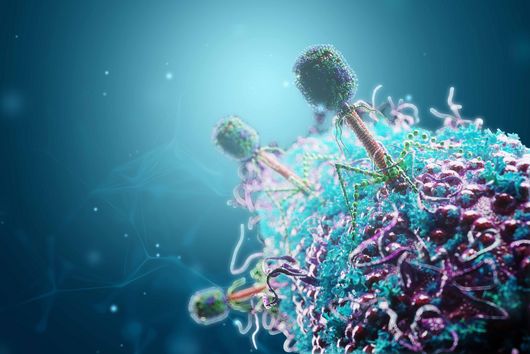
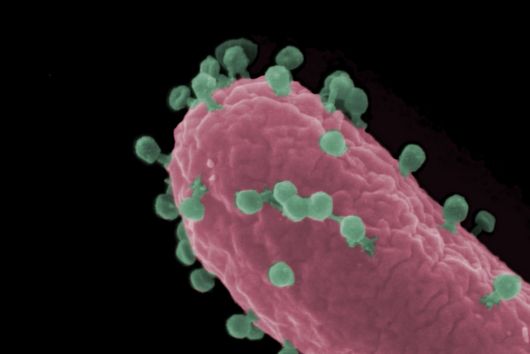
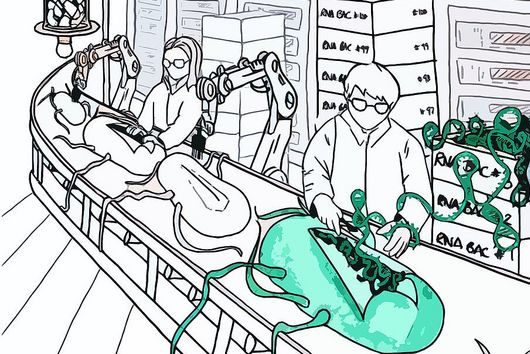
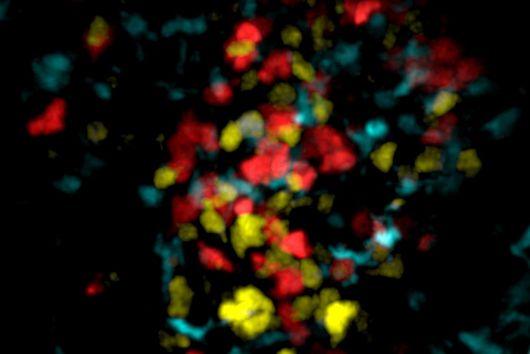
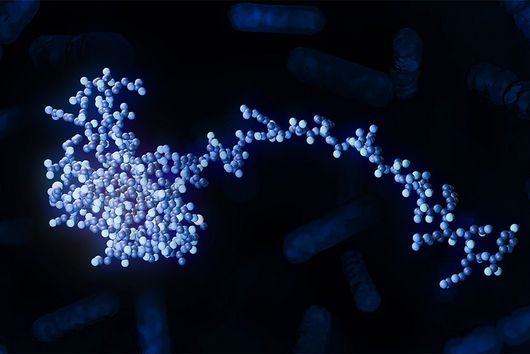
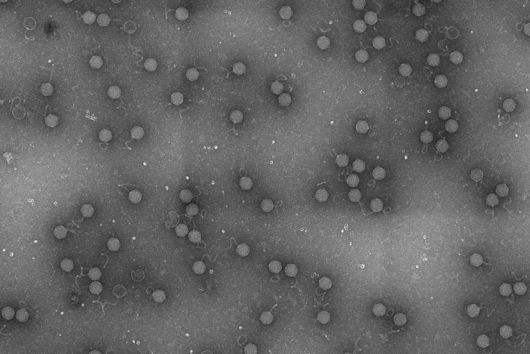
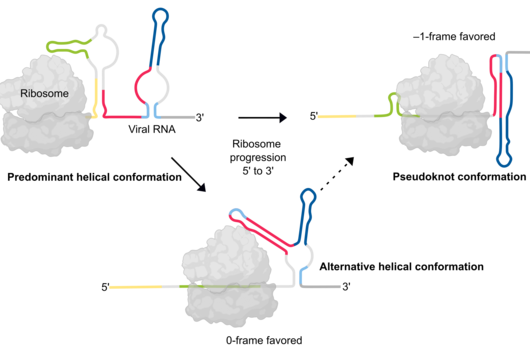
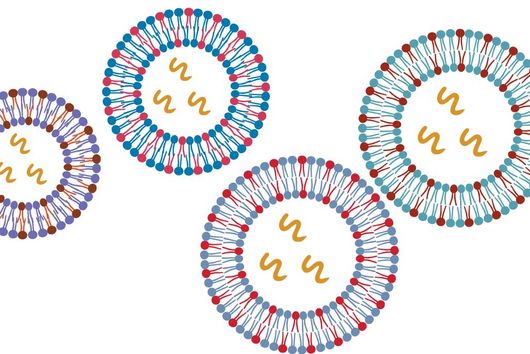
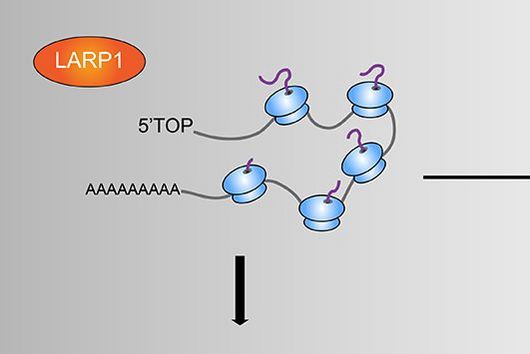
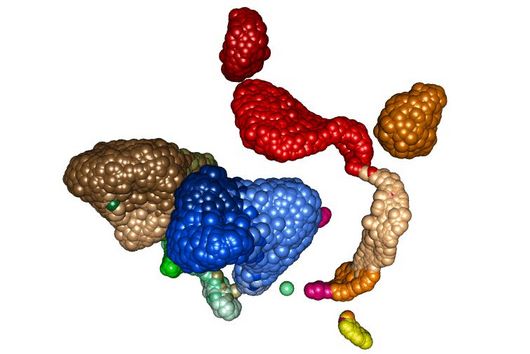
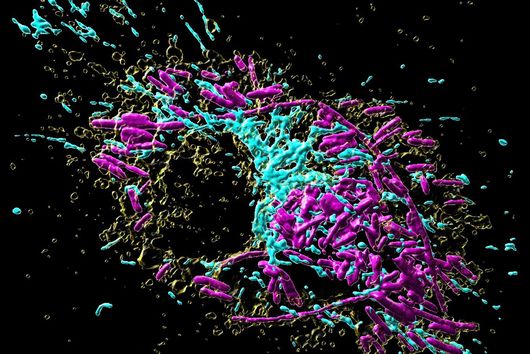
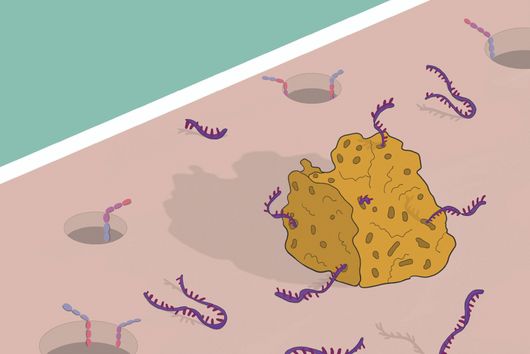
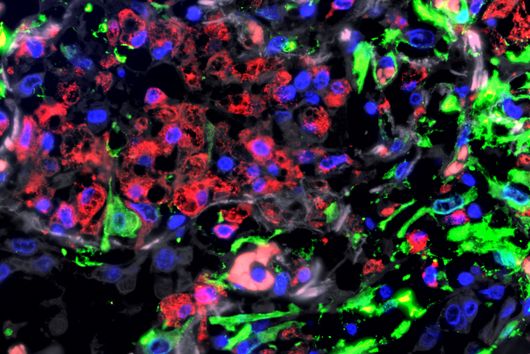
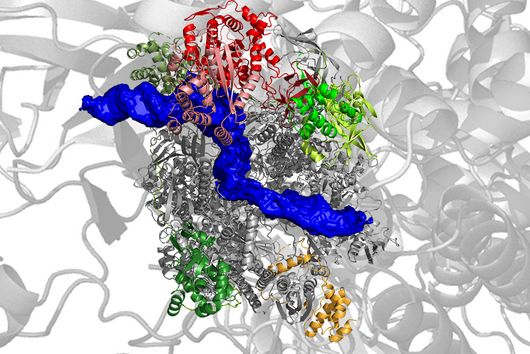
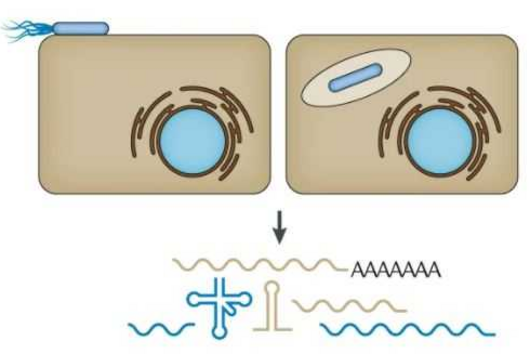
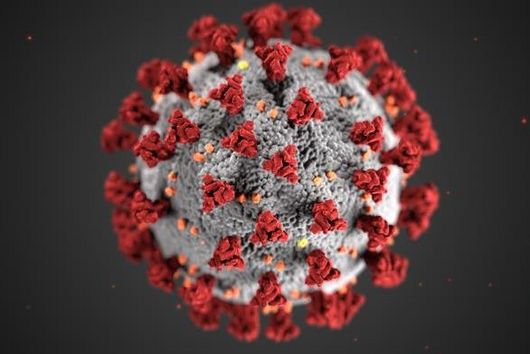
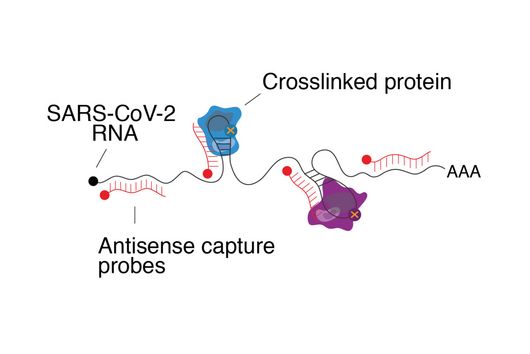
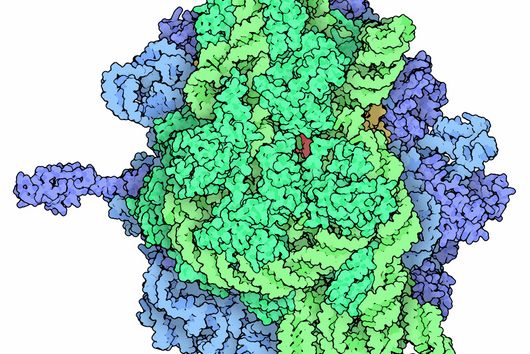
Symbolic picture of the S16 rRNA (created with Biorender.com)